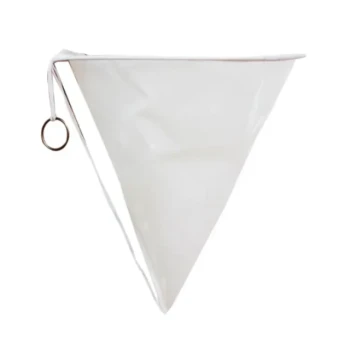
The primary function of combining double-layer mesh screens with filter cloth in forest honey processing is to execute a precise, multi-stage filtration strategy. This system physically separates macroscopic impurities—such as bee larvae, wax fragments, and debris—while deliberately allowing microscopic pollen grains to pass through.
Core Takeaway This filtration combination solves the delicate paradox of honey processing: it achieves the hygiene and clarity required for commercial sale without stripping away the pollen necessary to certify the honey's botanical origin and nutritional value.
The Mechanics of Multi-Stage Filtration
Targeted Removal of Impurities
The process utilizes industrial-grade double-layer mesh screens as the first line of defense. These screens are designed to intercept larger, solid contaminants immediately after extraction.
Simultaneously, laboratory-grade filter cloths provide a finer level of filtration. This combination effectively traps suspended particles, wax debris, and larval remains that would otherwise compromise the product's quality.
Preservation of Botanical Identity
Unlike ultra-filtration methods used in some commercial syrups, this specific combination is calibrated to retain natural pollen. The primary reference highlights that retaining these grains is essential for identifying the botanical source of the honey.
For forest honey specifically, this "pollen fingerprint" is the key indicator of authenticity and value.
Critical Benefits for Quality and Stability
Prevention of Spoilage and Fermentation
Leaving organic matter in honey is a significant risk to shelf life. The filtration system removes high-risk contaminants like larval proteins and eggs.
Eliminating these biological impurities prevents decomposition and rancidity. This significantly reduces the risk of microbial fermentation, ensuring the honey remains stable and safe for consumption.
Enhancement of Sensory Attributes
The filtration process directly impacts the visual appeal and texture of the final product. By removing suspended solids, the equipment enhances the honey's clarity and viscosity.
Furthermore, removing particulate matter reduces the number of "nucleation sites" in the liquid. This helps prevent abnormal or premature crystallization, maintaining the smooth texture expected in high-end retail markets.
Understanding the Trade-offs
The Risk of Over-Filtration
It is vital to distinguish this method from ultra-filtration. If the filter cloth weave is too tight, it will strip the honey of its pollen entirely.
While this results in an incredibly clear product, it removes the nutritional components that define "forest honey," effectively turning it into generic sweetener.
The Consequence of Under-Filtration
Conversely, relying solely on coarse straining can leave behind microscopic organic residue. This residue acts as a catalyst for spoilage, potentially leading to off-flavors over time.
The double-layer mesh and cloth combination is the specific solution designed to navigate between these two extremes.
Making the Right Choice for Your Goal
When configuring your processing line, consider your end-market requirements:
- If your primary focus is Premium/Artisanal Markets: Prioritize a mesh and cloth gauge that maximizes pollen retention to prove botanical origin, even if it results in slightly less optical clarity.
- If your primary focus is Long-Term Shelf Stability: Lean toward a finer filtration setup to remove all potential crystallization nuclei and organic fermentables.
Effective honey processing is not just about cleaning the product; it is about preserving the biological integrity that makes the product valuable.
Summary Table:
| Component | Function | Material Removed | Impact on Quality |
|---|---|---|---|
| Double-Layer Mesh | Primary Filtration | Wax fragments, bee larvae, large debris | Prevents spoilage and rancidity |
| Filter Cloth | Fine Filtration | Suspended particles, organic residue | Enhances clarity and prevents crystallization |
| Pollen Retention | Botanical Identity | None (Calibrated to pass) | Ensures authenticity and nutritional value |
Elevate Your Honey Production with HONESTBEE Professional Equipment
Are you looking to balance premium clarity with the biological integrity of your forest honey? HONESTBEE specializes in serving commercial apiaries and distributors by providing the industry's most reliable wholesale beekeeping tools and machinery.
From high-precision filtration systems that protect your honey's "pollen fingerprint" to industrial honey-filling and hive-making machines, we offer the complete hardware spectrum to scale your operation. Whether you are a large-scale producer or a specialized distributor, our expertise in beekeeping consumables and hardware ensures your product meets the highest market standards.
Ready to optimize your processing line? Contact HONESTBEE today for a comprehensive wholesale consultation
References
- Admassu Addi, Tura Bareke. Botanical origin and characterization of monofloral honeys in Southwestern forest of Ethiopia. DOI: 10.1002/fsn3.2453
This article is also based on technical information from HonestBee Knowledge Base .
Related Products
- Nylon Honey Strainer Square Filter Cloth for Honey Filters
- Stainless Steel Double Layer Honey Strainer Sieve Filters
- Electric Double Wall Honey Filtering Machine Purifier Equipment for Honey Processing Plant
- Conical Nylon Honey Strainer Filter Bag for Beekeeping and Honey Filtration
- Professional Stainless Steel Honey Filter with Support Handle
People Also Ask
- What is the significance of using professional filter cloths or sieves in honey processing? Ensure Purity and Quality
- What is the simple straining method for processing honey? A Cost-Effective Guide to Pure Extraction
- What cloth for straining honey? The Best Materials for Clean, High-Quality Honey
- What size mesh to strain honey? A Guide to the Standard Double-Sieve Method
- Why is specialized filter cloth preferred over the traditional squeezing method for wild honey? Achieve Higher Purity