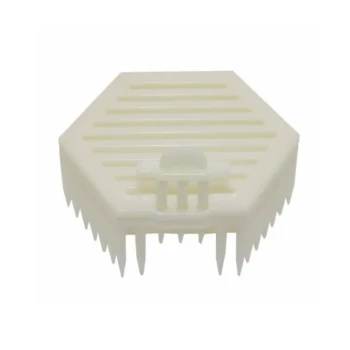
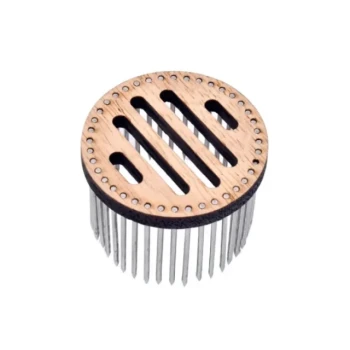
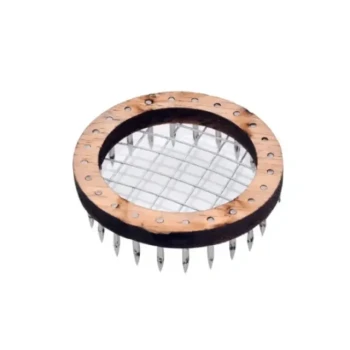
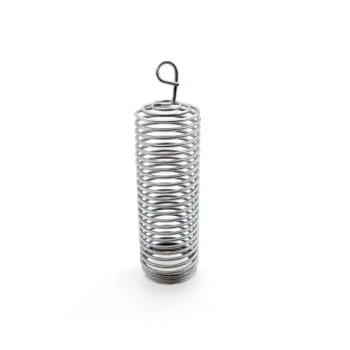
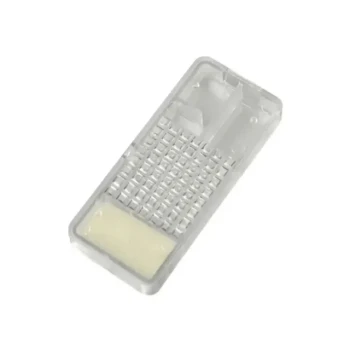
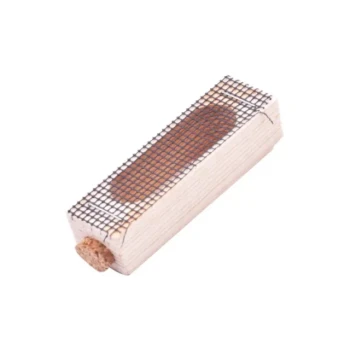
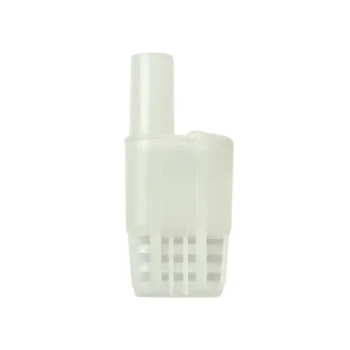
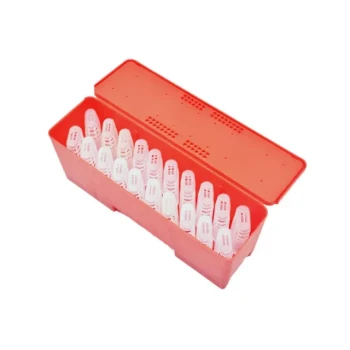
Underbasket Cages function as external collection devices designed to trap and retain worker bees that have died abnormally due to environmental stressors. Installed on the exterior of the beehive, these cages allow researchers to physically count and analyze dead bees to determine acute mortality rates associated with pesticide exposure. Crucially, they perform this function without requiring the hive to be opened, thereby preserving the colony's internal structure during the monitoring process.
The primary value of an Underbasket Cage is its ability to provide a measurable, non-invasive index of chemical contamination by collecting mortality data at the hive entrance without disrupting the colony's natural operations.
The Mechanics of External Monitoring
Capturing Abnormal Mortality
The specific design purpose of the Underbasket Cage is to collect worker bees that have succumbed to abnormal death.
In a healthy colony, bees often die away from the hive. However, pesticide exposure can lead to higher concentrations of dead bees accumulating near the hive, which these cages are positioned to catch.
Measuring Acute Toxicity
These devices act as a direct gauge for acute mortality, which refers to rapid death following exposure to a toxic substance.
By counting the number of dead bees collected in the cage over a specific timeframe, researchers can correlate mortality spikes with environmental pesticide application events.
Preserving Colony Integrity
Non-Invasive Data Collection
A significant advantage of the Underbasket Cage is that it is installed entirely outside the beehive.
This allows for continuous environmental monitoring without the need to open the hive or manipulate the frames.
Maintaining Internal Structure
Because the internal structure of the colony remains untouched, the stress levels of the living bees are minimized.
This ensures that the data collected reflects the impact of the chemical contamination rather than stress caused by human interference or physical disruption of the nest.
Understanding the Limitations
Scope of Collection
While effective for monitoring deaths at the hive, these cages only collect bees that die at or near the entrance.
Bees that die immediately in the field upon pesticide contact and fail to return to the hive will not be captured by this specific tool.
Attribution of Cause
The cage provides the raw data—the dead bees—but does not inherently diagnose the specific chemical.
The collected specimens must still undergo laboratory analysis to confirm that pesticide exposure, rather than disease or natural causes, is the definitive cause of the abnormal mortality.
Strategic Application in Environmental Studies
To effectively utilize Underbasket Cages in your monitoring strategy, consider your specific data requirements.
- If your primary focus is quantifying immediate chemical impact: Use these cages to establish a baseline of mortality and identify sudden spikes that correlate with local pesticide spraying schedules.
- If your primary focus is long-term colony behavior: Rely on this method to gather mortality data without introducing observer-induced stress that could skew behavioral observations.
By isolating the collection process to the hive exterior, you ensure accurate mortality data while respecting the biological integrity of the honeybee community.
Summary Table:
| Feature | Function & Impact |
|---|---|
| Primary Purpose | Collects worker bees that suffer abnormal death near the hive entrance. |
| Data Metric | Measures acute toxicity and mortality spikes post-pesticide application. |
| Installation | External mounting; no need to open the hive or disturb the colony. |
| Benefit | Provides non-invasive, measurable indices of chemical contamination. |
| Limitation | Does not capture bees that die in the field; requires lab follow-up for cause. |
Scale Your Apiary Operations with HONESTBEE
Are you a commercial apiary or a distributor looking to optimize colony health and operational efficiency? At HONESTBEE, we provide a comprehensive wholesale range of professional beekeeping tools, machinery, and consumables tailored for large-scale success.
From high-precision hive-making and honey-filling machines to essential hardware and unique honey-themed merchandise, we supply the full spectrum of equipment needed to grow your business. Partner with us to access durable, industry-leading solutions and reliable supply chains.
Ready to elevate your honey production? Contact us today for a wholesale quote!
References
- Marco Bergero, Carmine Merola. Agrochemical Contamination of Honey and Bee Bread Collected in the Piedmont Region, Italy. DOI: 10.3390/environments8070062
This article is also based on technical information from HonestBee Knowledge Base .
Related Products
- Hexagonal Direct Comb Introduction Queen Bee Cage
- Premium Wood and Steel Push In Queen Cage
- Wood and Mesh Push-In Queen Cage
- Durable Galvanized Steel Spring Queen Bee Cage
- Professional Multi-Compartment Queen Cage with Sliding Lid
People Also Ask
- What is the technical purpose of using an introduction cage? Ensure Safe Queen Bee Integration and Colony Acceptance
- How does the introduction cage method differ from standard cage insertion for queen bees? Best Acceptance Strategies
- What is the mechanism of action for using temporary queen bee cages? Master Successful Queen Introduction
- Why are specialized queen bee cages used for the banking of mated queen bees? Maximize Commercial Apiary Storage Efficiency
- What is the importance of specialized queen introduction cages and tools? Secure High-Value Genetics & Scalability.