Increasing beehive hardware during autumn merging presents a critical biosecurity paradox. While adding hive bodies and frames boosts the biological energy necessary for overwintering, it simultaneously causes the physical convergence of Varroa mite populations. This consolidation significantly increases the total parasite load within the newly formed colony, turning a management solution into a potential health risk.
Merging weaker colonies enhances physical energy and winter survival rates, but it inadvertently aggregates mite loads from multiple sources. To prevent a catastrophic infestation, effective control relies on precise miticide treatments applied to individual hives before any hardware is combined.
The Mechanics of Autumn Merging
Boosting Colony Energy
The primary motivation for increasing hardware—adding bodies and frames—is to combine weaker colonies. This process aggregates the resources and population density of separate hives.
By consolidating these units, beekeepers significantly enhance the physical and biological energy of the colony. This increased mass is often the deciding factor in whether a colony survives the winter or collapses.
The Convergence of Parasites
However, this process does not filter out pests. When you stack hardware to merge colonies, you are facilitating the physical convergence of existing Varroa mite populations.
Mites that were previously dispersed across several weaker hives are now concentrated into a single environment. Without intervention, this spikes the total mite load, potentially overwhelming the colony's defenses just as winter begins.
Leveraging Hardware for Biosecurity
Early Detection Capabilities
While the act of merging carries risks, the hardware itself is designed to mitigate them. Improved hives with standardized, movable frames enable high-efficiency management.
This infrastructure allows for regular, thorough health inspections. Beekeepers can disassemble the stack to perform deep checks, leading to the early discovery of Varroa infestations before the merge takes place.
Precision Application
Standardized hive structures are essential for maintaining colony biosecurity. They facilitate the precise application of chemical or organic treatments.
Because the hardware is uniform, treatment dosages can be calculated and administered accurately. This ensures that the "baseline" mite population is effectively neutralized before the colonies are combined.
Understanding the Trade-offs
The Timing Trap
A common pitfall is treating the colony only after the merge is complete. By this time, the mite population has already converged, and the sheer volume of the combined colony may complicate treatment distribution.
The "Trojan Horse" Effect
Merging a highly infested colony with a "clean" one effectively contaminates the healthy population. The physical convergence mentioned in the primary data means that a single untreated frame can compromise the biosecurity of the entire improved stack.
Therefore, the increase in hardware must strictly follow a treat-then-merge protocol. The improved energy of the colony is irrelevant if the parasite load is allowed to scale up alongside the bee population.
Strategic Implementation for Overwintering
To balance the need for strong colonies with the imperative of disease control, follow these strategic guidelines:
- If your primary focus is maximizing overwintering survival: Merge weaker colonies to increase biological energy, but treat this as a physical consolidation of risks that requires prior sanitization.
- If your primary focus is strict Varroa management: Implement precise miticide treatments on every individual hive to lower baseline populations before any hardware is added or combined.
By treating first and merging second, you utilize the hardware to build strength without compounding the parasitic threat.
Summary Table:
| Factor | Impact of Hardware Convergence | Management Strategy |
|---|---|---|
| Colony Energy | Increased biological mass for winter survival. | Combine weak colonies into high-quality hive bodies. |
| Mite Population | Physical convergence increases total parasite load. | Mandatory miticide treatment before merging hardware. |
| Inspection | Movable frames allow for deep health checks. | Conduct early detection tests on individual frames. |
| Biosecurity | Standardized structures allow precise dosing. | Apply uniform chemical/organic treatments across all units. |
Secure Your Apiary’s Success with HONESTBEE
Transitioning into winter requires more than just strategy—it requires the right tools. At HONESTBEE, we specialize in supporting commercial apiaries and distributors with high-performance beekeeping hardware designed for precision and durability. From standardized hive-making and honey-filling machines to essential industry consumables, our wholesale solutions empower you to manage Varroa risks and maximize colony survival.
Ready to scale your beekeeping operation with professional-grade equipment?
Contact HONESTBEE Today to explore our comprehensive portfolio of beekeeping tools and machinery tailored to your business needs.
References
- Szymon Smoliński, Adam Głazaczow. Raised seasonal temperatures reinforce autumn Varroa destructor infestation in honey bee colonies. DOI: 10.1038/s41598-021-01369-1
This article is also based on technical information from HonestBee Knowledge Base .
Related Products
- Steel Round Disc Entrance Reducer for Flexzion Bee Hive Nuc Box Gate
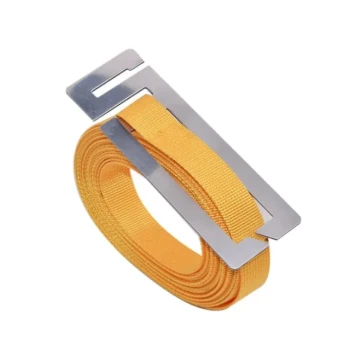
- Heavy-Duty Nylon Beehive Hive Strap with Stainless Steel Cinch Buckle
- Metal Bee Hive Stand Bee Box Stand for Beekeeping
- Stainless Steel Round Beehive Air Vents for Ventilation
- Wooden Bee Hive Frames for Beekeeping and Wholesale
People Also Ask
- What is the purpose of an entrance reducer for a beehive? Strengthen Colony Defense and Prevent Robbery
- Why are entrance reducers used to counter hornet infestations? Protect Your Hive with Strategic Choke Points
- Why is it critical to maintain a smaller entrance for a newly established bee hive? Boost Colony Growth and Security
- Under what conditions should a beekeeper adjust the size of a beehive entrance? Seasonal & Defense Management Tips
- What is the function of an entrance reducer on a beehive? Strengthen Colony Defense and Climate Control