Nomadic beekeeping relies entirely on the structural integrity and efficiency of specialized handling and transport equipment. This hardware, ranging from professional handling brackets to reinforced trailers, ensures that beehives remain stable during relocation to areas with abundant nectar sources. By facilitating safe transport—often conducted at night or over rough terrain—these tools allow beekeepers to follow seasonal flower blooms while preventing physical damage to the hive and minimizing stress on the colony.
Success in migratory beekeeping is defined by the ability to move without compromising colony health. Specialized transport gear transforms a high-risk logistical challenge into a sustainable operation, protecting bees from vibration and overheating so they can immediately capitalize on new floral resources.
Ensuring Colony Survival During Transit
Stability on Complex Terrain
The primary function of professional transport equipment is structural stabilization. Nomadic beekeeping often requires navigating bumpy or unpaved roads to reach remote forage sites.
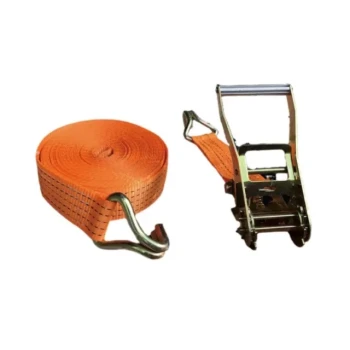
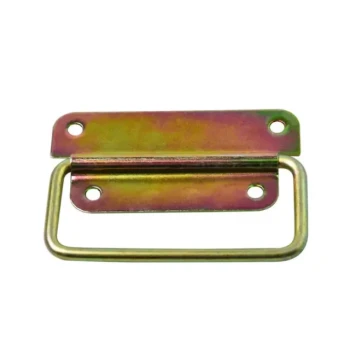
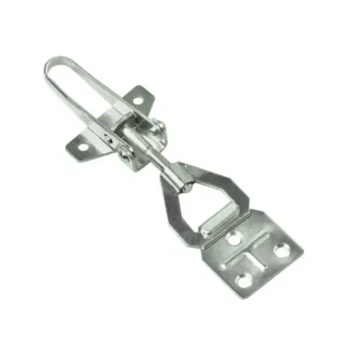
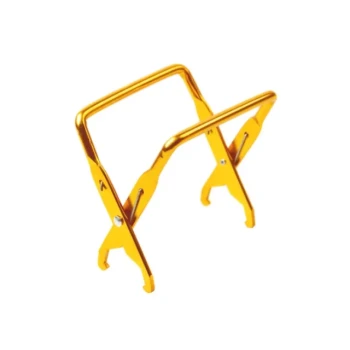
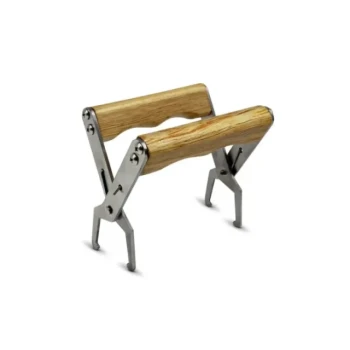
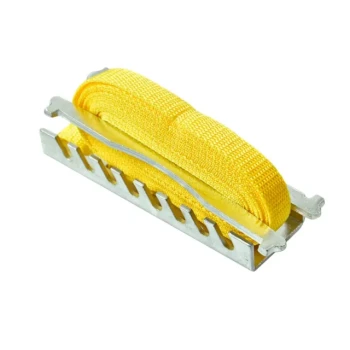
Reinforced transport equipment and specialized handling brackets lock hives in place. This prevents shifting or tipping during the journey, which protects the physical structure of the hive and prevents the frames from crushing the bees inside.
Managing Environmental Stress
Transporting colonies creates a high-risk environment for overheating, which can lead to large-scale mortality. High-performance transport vehicles are designed with superior ventilation systems.
These airflow systems are critical when moving colonies across different climatic zones. They ensure that even during long-distance travel, the internal temperature of the hive remains within a safe range, preventing the colony from suffocating or collapsing due to heat stress.
Vibration Damping and Recovery
Bees are highly sensitive to vibration. Standard cargo transport can induce severe stress responses that disrupt colony organization.
Specialized trailers and stabilization devices feature vibration-damping capabilities. By minimizing the physical shock of transit, this equipment ensures that bees remain calm and can quickly resume foraging activity immediately upon reaching the target location.
Operational Efficiency and Yield Maximization
Following the Bloom Cycle
The economic goal of nomadic beekeeping is to extend the production season, sometimes up to nine months. Transport equipment serves as the logistical foundation for this cross-regional mobility.
By using mobile apiary platforms, beekeepers can follow the "flowering sequence" of vegetation. This allows for vertical migration—moving from plains to high-altitude forests—to capture nectar flows from different species as they bloom throughout the season.
Rapid Deployment and Logistics
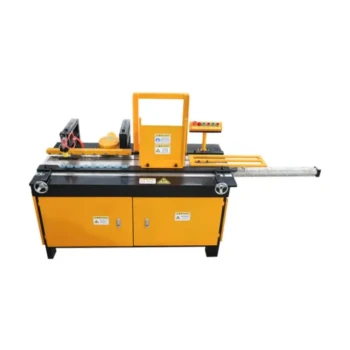
Time is a critical resource when chasing peak nectar flow windows. Specialized handling machines, such as small hydraulic loaders or dedicated forklifts, are essential for modern operations.
These mechanical tools allow for the rapid loading and unloading of large quantities of hives. This efficiency minimizes the time bees spend confined for transport and ensures the apiary is established exactly when the local flora is most productive.
Understanding the Trade-offs
The Cost of Inadequate Equipment
While professional gear represents a significant investment, the alternative poses a severe risk to the operation.
Relying on standard, non-specialized vehicles significantly increases the risk of bee mortality caused by physical impact. Without proper securing mechanisms, hives are vulnerable to structural failure during transit.
The Ventilation Balance
A common pitfall in transport is underestimating the need for airflow versus security.
Equipment that secures the hive too tightly without accounting for ventilation can lead to rapid overheating. Conversely, open transport without proper damping exposes bees to excessive wind and vibration stress. The "trade-off" is finding equipment that balances rigid security with maximum breathability.
Making the Right Choice for Your Operation
To maximize the potential of your nomadic apiary, select equipment that aligns with your specific operational goals:
- If your primary focus is reducing colony loss: Prioritize trailers with vibration damping and advanced ventilation systems to minimize transport stress and overheating.
- If your primary focus is maximizing honey yield: Invest in mobile platforms that allow for rapid vertical migration to follow bloom cycles from the plains to high altitudes.
- If your primary focus is operational scale: Utilize hydraulic loaders and forklifts to increase the speed of deployment, allowing you to manage more hives during tight nectar flow windows.
The right equipment acts as an insurance policy for your livestock, ensuring that when the truck stops, your bees are healthy, calm, and ready to work.
Summary Table:
| Key Feature | Benefit for Nomadic Beekeeping | Impact on Colony |
|---|---|---|
| Reinforced Brackets | Prevents hives from shifting on rough terrain | Protects physical structure and prevents crushing |
| Ventilation Systems | Manages internal temperatures during long transit | Prevents heat stress and mass mortality |
| Vibration Damping | Reduces physical shock from road travel | Minimizes stress for faster post-transit recovery |
| Mobile Platforms | Facilitates rapid movement following bloom cycles | Extends production season and increases honey yield |
| Mechanical Loaders | Enables fast deployment during peak nectar flows | Reduces confinement time for the bees |
Maximize Your Nomadic Yield with HONESTBEE
Transitioning colonies across regions is a high-stakes logistics challenge. At HONESTBEE, we specialize in supporting commercial apiaries and distributors with the heavy-duty equipment needed to scale safely. From specialized hive-making machinery to professional-grade tools and essential consumables, our portfolio is designed to protect your livestock and enhance your operational efficiency.
Our Value to You:
- Wholesale Excellence: Comprehensive equipment solutions tailored for large-scale operations.
- Durability & Safety: Tools and machinery built to withstand the rigors of migratory transport.
- Global Support: Reliable supply of everything from honey-filling machines to industry consumables.
Ready to upgrade your fleet and protect your bees? Contact our expert team today to discuss how our wholesale solutions can drive your success.
References
- MAZOUZI Hajar. L'avenir de l'apiculture au Maroc dans un contexte de crises successives : cas des coopératives féminines apicole de la province de Khouribga. DOI: 10.5281/zenodo.17813059
This article is also based on technical information from HonestBee Knowledge Base .
Related Products
- Plastic Transporting Bee Packages and Nuc Boxes for Beekeeping
- Durable Plastic Interlocking Hive Connector for Beekeeping
- Professional Grade Foldable Beehive Handles
- Heavy Duty Ratchet Hive Strap
- Beehive Handle and Frame Rest Cutting Machine: Your Specialized Hive Machine
People Also Ask
- What role do bee package boxes play in the commercial transport and expansion of honeybee colonies? - Logistic Essentials
- What are beekeeping boxes called? A Guide to Hive Bodies and Box Types
- How do standardized bee packages serve as a recovery mechanism for commercial beekeeping? Ensure Business Continuity
- What is the commercial value of using standardized bee packages? Drive Scalability in Large-Scale Apiaries
- Why is the timely introduction of high-quality bee packages critical? Save Your Apiary from Asian Hornet Invasions