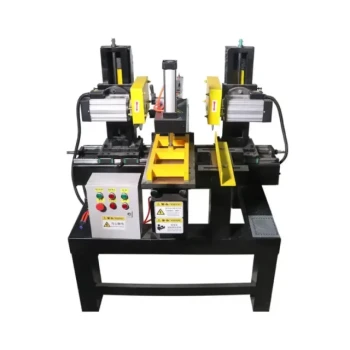
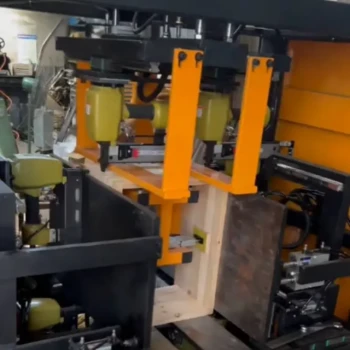
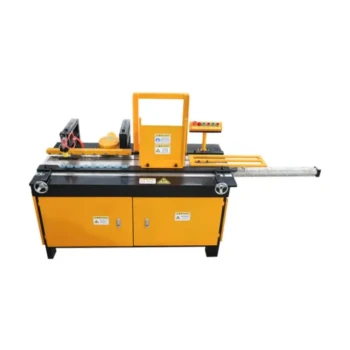
High-precision hive-making machinery creates the standardized structural foundation required for valid scientific experimentation. By ensuring exact dimensions and uniformity, this machinery allows researchers to accurately trace the secondary distribution of pesticide residues—specifically systemic insecticides—transported back to the hive by foragers.
The variables of biology are complex enough without adding structural inconsistency. Validating how bees are exposed to oral toxins requires a controlled environment where the physical architecture of the hive does not distort the data.
Controlling the Variables of Exposure
Tracking Secondary Distribution
To understand how pesticides affect a colony, researchers must track the chemicals after they enter the hive. Industrial-grade machinery ensures that every hive component is identical. This standardization eliminates structural irregularities that could alter how foragers move or store contaminated nectar.
Quantifying Oral Exposure Pathways
When hive structures are uniform, researchers can isolate the secondary distribution process of residues. This allows for precise quantification of oral exposure risks within the colony. Without this precision, it is impossible to distinguish between chemical effects and environmental anomalies caused by poor hive construction.
Ensuring Reproducibility
Scientific validity hinges on the ability to reproduce results. High-precision manufacturing guarantees that an experiment conducted in one hive can be faithfully replicated in another. This establishes a baseline of reliability for data concerning systemic insecticide impact.
Structural Integrity and Environmental Simulation
Precision Sealing and Insulation
Beyond standardized dimensions, high-precision machinery produces excellent sealing and accurate wall thicknesses. This mechanical precision is decisive for thermal regulation. It minimizes uncontrolled air exchange, ensuring that the internal environment remains stable and measurable.
Simulating Natural Habitats
Specialized machinery can produce thick-walled or composite hives that mimic the low thermal conductivity of natural tree hollows. This is critical for simulating the thermodynamic performance of natural habitats. By replicating these conditions, researchers can study pesticide impact without the confounding variable of thermal stress.
Reducing Colony Stress
In extreme environments, such as high-altitude areas, superior thermal insulation reduces heat loss and overwintering mortality. By using precision machinery to lower environmental stress, researchers ensure that the observed health effects are primarily due to pesticide exposure, not weather-related fatigue.
Understanding the Trade-offs
The "Lab vs. Field" Gap
While high-precision hives are essential for internal validity, they may represent an "idealized" environment. Commercial beekeeping often utilizes standard, thinner-walled hives. Data derived from highly insulated, precision-engineered hives may need to be carefully contextualized before being applied to general agricultural practices.
Cost and Accessibility
The use of specialized, industrial-grade machinery significantly increases production complexity compared to standard carpentry. This can limit the accessibility of such high-quality hives to well-funded research institutions, potentially slowing the widespread adoption of these improved welfare standards.
Making the Right Choice for Your Goal
To maximize the value of your hive construction or selection, align your choice with your primary objective.
- If your primary focus is toxicological research: Prioritize industrial-grade standardization to ensure that pesticide distribution data is reproducible and free from structural variables.
- If your primary focus is colony welfare in extreme climates: Focus on machinery capable of producing thick-walled, composite designs that mimic the thermodynamics of natural tree hollows.
Precision in manufacturing is not just about craft; it is the prerequisite for scientific truth.
Summary Table:
| Key Feature | Benefit for Research | Impact on Result |
|---|---|---|
| Standardized Dimensions | Eliminates structural variables | Ensures data reproducibility |
| Precise Sealing | Controls thermal regulation | Minimizes environmental stress |
| Wall Thickness Control | Mimics natural tree hollows | Accurate thermodynamic simulation |
| Structural Uniformity | Isolates secondary distribution | Precise quantification of oral exposure |
Elevate Your Beekeeping Standards with HONESTBEE
At HONESTBEE, we understand that precision is the foundation of both scientific excellence and commercial success. We specialize in providing commercial apiaries and distributors with a comprehensive wholesale range of industrial-grade beekeeping tools and advanced machinery.
Whether you need high-precision hive-making machines to ensure standardized research environments or honey-filling machinery to streamline your production, our portfolio is designed to meet the rigorous demands of the modern honey industry. From specialized hardware to essential consumables and honey-themed cultural merchandise, we deliver the quality you need to eliminate variables and maximize colony health.
Ready to upgrade your infrastructure? Contact us today to explore our wholesale solutions and see how our expertise can drive your growth.
References
- Eleonora Crenna, Peter Fantke. Characterizing honey bee exposure and effects from pesticides for chemical prioritization and life cycle assessment. DOI: 10.1016/j.envint.2020.105642
This article is also based on technical information from HonestBee Knowledge Base .
Related Products
- High-Efficiency Pneumatic Bee Hive Making Machine for Rapid Box Assembly
- Beehive Machine Double End Saw for Precision Hive Component Manufacturing
- Automatic High-Speed Bee Hive Box Stapling Machine
- HONESTBEE Professional Long Handled Hive Tool with Precision Cutting Blade
- Beehive Handle and Frame Rest Cutting Machine: Your Specialized Hive Machine
People Also Ask
- How does the introduction of professional beehive-making machinery benefit sustainable beekeeping? Scale Your Apiary
- Why is specialized beehive-making machinery critical for low-defense breeding? Enhance Selection with Precision Tools
- How does the introduction of specialized beehive making machinery contribute to increasing the scale of regional beekeeping industries?
- What is the importance of specialized beehive making machinery in a circular bio-economy? Build Local Sustainability
- Why is specialized beehive-making machinery essential? Scale Your Apiary with Precision Industrial Standards