The use of high-precision microporous membrane filters is the defining step for protecting analytical equipment and ensuring data integrity. During the pre-treatment of honey samples, these filters—typically with pore sizes of 0.22 or 0.45 micrometers—remove microscopic suspended particles from diluted solutions before they are injected into analysis systems. This prevents physical damage to hardware and eliminates noise that could compromise test results.
Core Takeaway The primary function of microporous filtration in honey analysis is twofold: safeguarding High-Performance Liquid Chromatography (HPLC) columns from irreversible clogging and stabilizing detector signals. Without this step, the repeatability of results is compromised, and sensitive laboratory equipment faces significant risk of damage.
Safeguarding Sensitive Instrumentation
Honey is a complex matrix containing various solids that can wreak havoc on precision instruments.
Preventing Column Clogging
The most immediate risk to an analytical workflow is the blockage of the HPLC column. Microporous filters physically stop solid micro-particles from entering the system.
By capturing these particles during pre-treatment, you prevent the expensive chromatographic columns from clogging. This simple step extends the operational life of the column significantly.
Ensuring Long-Term Equipment Stability
Beyond the column, particulate matter can damage pumps, injectors, and other fluid path components. Consistently using high-precision filters protects the mechanical integrity of the entire HPLC system.
This maintenance of "system hygiene" ensures the long-term stability of the analytical equipment, reducing downtime for repairs.
Enhancing Data Integrity
Protecting the hardware is only half the battle; the clarity of the sample directly dictates the quality of the data.
Eliminating Signal Interference
Suspended micro-impurities that pass through the detector can scatter light or generate false peaks. This creates background noise that obscures the actual analytes you are trying to measure.
Microporous filtration removes these impurities, reducing signal interference. This results in a cleaner baseline and more accurate peak integration.
Guaranteeing Result Repeatability
For analytical data to be valid, it must be reproducible. Unfiltered samples introduce random variables—such as varying levels of particulate matter—that cause inconsistent readings.
Filtration standardizes the sample matrix. This ensures the repeatability of results across multiple injections and different sample batches.
Common Pitfalls to Avoid
While filtration is essential, it is important to understand the specific role of microporous membranes versus other filtration methods to avoid process errors.
Confusing Production vs. Analytical Filtration
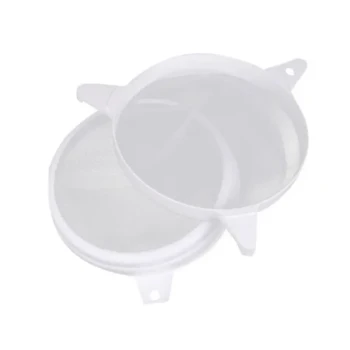
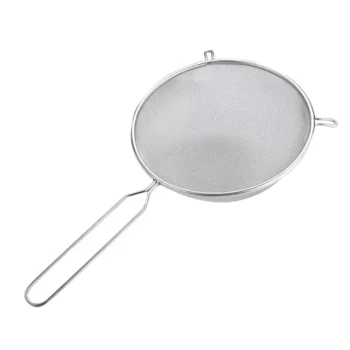
Do not confuse laboratory microporous filters with "professional honey filters" used in commercial processing. Commercial filters use multi-layered mesh to remove macroscopic debris like beeswax and bee parts for sensory purity.
Microporous filters (0.22/0.45 $\mu$m) are designed for micro-impurities in diluted samples, not for bulk clarification of raw honey. Attempting to use microporous filters for bulk cleaning without dilution will result in immediate blockage.
Ignoring the Dilution Requirement
The primary reference explicitly states these filters are used on diluted honey solutions. Honey's high viscosity makes direct microporous filtration impossible.
Failure to dilute the sample adequately before filtration will lead to excessive backpressure and filter failure, potentially contaminating the sample handling area.
Making the Right Choice for Your Goal
The type of filtration you employ depends entirely on whether you are preparing honey for market or for chemical analysis.
- If your primary focus is Instrumental Analysis (HPLC): Use 0.22 $\mu$m or 0.45 $\mu$m microporous membrane filters on diluted samples to protect columns and ensure data precision.
- If your primary focus is Commercial Production: Use multi-layered precision mesh filters to remove physical contaminants like beeswax and ensure consumer-grade clarity.
In the laboratory, the microporous filter is the final, critical checkpoint that transforms a dirty biological sample into a clean chemical solution ready for high-precision testing.
Summary Table:
| Feature | Laboratory Microporous Filter | Commercial Production Filter |
|---|---|---|
| Primary Goal | Equipment Protection & Data Integrity | Sensory Purity & Clarity |
| Pore Size | 0.22 μm or 0.45 μm | Multi-layered Mesh (Micron-rated) |
| Sample State | Diluted honey solutions | Bulk raw or processed honey |
| Key Benefit | Prevents HPLC column clogging | Removes beeswax and bee parts |
| Impact | Reduces signal noise & downtime | Enhances marketability |
Elevate Your Honey Quality with HONESTBEE Professional Solutions
At HONESTBEE, we understand that whether you are performing high-precision lab analysis or managing a large-scale commercial apiary, the right equipment is non-negotiable. We offer a comprehensive wholesale range of beekeeping tools, industrial machinery, and essential consumables designed for the modern beekeeper.
How we add value to your business:
- For Commercial Apiaries: High-efficiency honey-filling and hive-making machines to streamline your production.
- For Distributors: A full spectrum of premium beekeeping hardware and honey-themed merchandise to expand your portfolio.
- For Quality Control: Expert insights into maintaining the highest standards for your honey products.
Ready to scale your operations with industry-leading equipment? Contact us today to discuss your wholesale needs and let HONESTBEE be your partner in success!
References
- Olajumoke Omobola Lawal, Okey Ogbaka Obeten. Composition of Sugars in Honey Produced in the South-South and South-West Regions of Nigeria. DOI: 10.18483/ijsci.1410
This article is also based on technical information from HonestBee Knowledge Base .
Related Products
- Nylon Honey Strainer Square Filter Cloth for Honey Filters
- Two-Stage Plastic Honey Filter for Buckets
- Electric Double Wall Honey Filtering Machine Purifier Equipment for Honey Processing Plant
- Heavy-Duty Ergonomic Grip Galvanized Pollen Shovel
- Professional Stainless Steel Honey Filtering Machine with Water Bath Heating for Beekeeping
People Also Ask
- What is the significance of using professional filter cloths or sieves in honey processing? Ensure Purity and Quality
- What is the simple straining method for processing honey? A Cost-Effective Guide to Pure Extraction
- What cloth for straining honey? The Best Materials for Clean, High-Quality Honey
- What size mesh to strain honey? A Guide to the Standard Double-Sieve Method
- Why is specialized filter cloth preferred over the traditional squeezing method for wild honey? Achieve Higher Purity