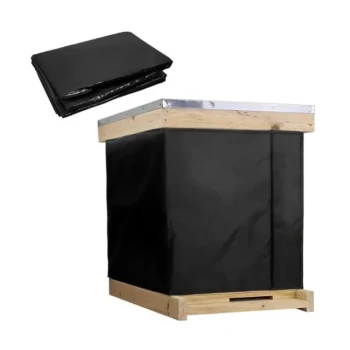
The primary mechanism for pest control in solar-powered beehives is thermal hyperthermia. By harnessing solar energy, the hive's internal control system heats the environment to a precise temperature range that is fatal to common parasites but completely safe for the bee colony.
This technology shifts pest management from chemical warfare to physical environmental control, using heat to eliminate threats like Varroa mites while maintaining the organic purity of the honey.
The Mechanics of Thermal Regulation
Solar-Driven Heating
These hives are equipped with integrated solar panels that power an internal heating and regulation system.
Instead of introducing external substances, the system uses this renewable energy to physically alter the climate inside the hive.
The Biological Threshold
The core principle relied upon is the difference in heat tolerance between bees and their parasites.
The system raises the internal temperature to a specific level that Varroa mites and similar pests cannot survive.
Because honeybees have a higher heat tolerance, the colony remains unharmed during this "fever" treatment.
Ensuring Organic Integrity
Eliminating Chemical Dependency
Traditional beekeeping often relies on chemical pesticides (miticides) to control infestations.
Solar-powered thermal control offers a physical elimination method, removing the need for synthetic chemicals entirely.
Food Safety at the Source
By avoiding chemical treatments, the hive produces residue-free honey and wax.
This ensures the final product maintains a high standard of organic quality and food safety.
Secondary Defense Mechanisms
Physical Elevation
While thermal regulation handles internal parasites, the physical structure of these hives often addresses external threats.
Using a hive stand elevates the colony off the ground.
Deterring Larger Predators
This elevation creates a vertical barrier against small animals, such as skunks.
Raising the hive prevents these predators from easily reaching the entrance to eat the bees.
Understanding the Trade-offs
Weather Reliance
Because the primary mechanism relies on solar energy, the system's efficiency can be contingent on sunlight availability.
Extended periods of overcast weather could potentially impact the consistency of the thermal treatment cycles.
Technical Complexity
Introducing electronic components into a beehive increases the complexity of the system.
Unlike a traditional wooden box, there are more points of failure regarding the battery, sensors, or heating elements that may require maintenance.
Making the Right Choice for Your Goal
While solar-powered hives offer advanced protection, your choice depends on your specific apiary needs.
- If your primary focus is organic certification: Thermal regulation is the superior choice, as it guarantees a chemical-free environment for your bees and honey.
- If your primary focus is general predator defense: Ensure the specific model includes a robust, elevated stand to deter skunks and similar ground-based threats.
- If your primary focus is location flexibility: Verify the solar capacity of the unit if you plan to place hives in shaded or low-light areas.
This technology represents a modern shift toward managing the hive environment rather than medicating it.
Summary Table:
| Feature | Mechanism | Primary Benefit |
|---|---|---|
| Parasite Control | Solar-powered Thermal Hyperthermia | Kills Varroa mites without chemicals |
| Honey Quality | Physical Heat Treatment | 100% residue-free, organic honey/wax |
| Predator Defense | Elevated Hive Stand Design | deters skunks and ground-based pests |
| Energy Source | Integrated Solar Panels | Sustainable, autonomous climate regulation |
Elevate Your Apiary with HONESTBEE Technology
Transitioning to chemical-free pest management shouldn't be a challenge. At HONESTBEE, we specialize in empowering commercial apiaries and distributors with high-performance beekeeping solutions. From solar-regulated hive components to professional-grade honey-filling machinery and specialized hive-making equipment, our comprehensive wholesale portfolio is designed to maximize your efficiency and organic yield.
Ready to scale your production with the industry's most advanced tools?
Contact our expert team today to explore how our specialized hardware and industry consumables can transform your commercial beekeeping operation.
References
- Aditya Narang, Garima Gupta. Political, economical, social, technological and SWOT analysis of beekeeping as a successful enterprise in India: An overview. DOI: 10.31018/jans.v14i1.3312
This article is also based on technical information from HonestBee Knowledge Base .
Related Products
- Solar Beeswax Melter Easy Solar Wax Melter for Beeswax
- Stainless Steel Electric Beehive Smoker for Beekeeping and Bee Keeper Use
- Electric Bee Smoker European Style Bee Hive Smoker for Beekeeping
- Professional Reversible Beehive Hive Entrance
- Multi-Functional Sliding Hive Entrance for Beekeeping
People Also Ask
- How does a solar melter work to process beeswax? The Eco-Friendly Way to Pure Wax
- What is a solar wax melter and how does it work? Harness the Sun for Pure Beeswax
- What are the benefits of using a solar wax melter? Harness the Sun for Pure, Cost-Effective Beeswax
- What is the purpose of a solar wax melter in beekeeping? Sustainable Wax Processing for Modern Apiaries
- How does a solar-powered frame wax melter work? Harness the Sun for Sustainable Beekeeping