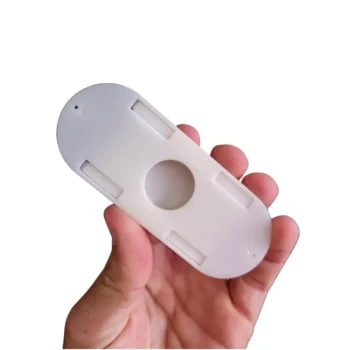
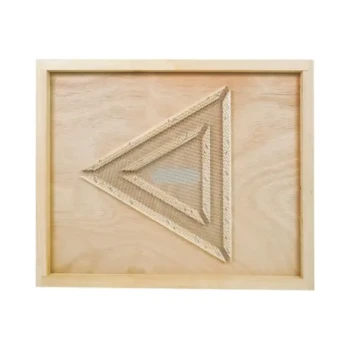
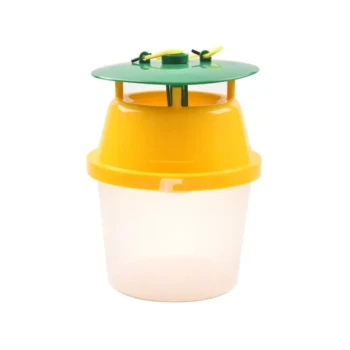
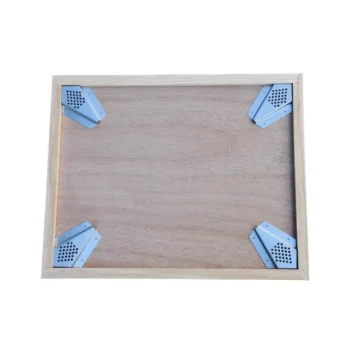
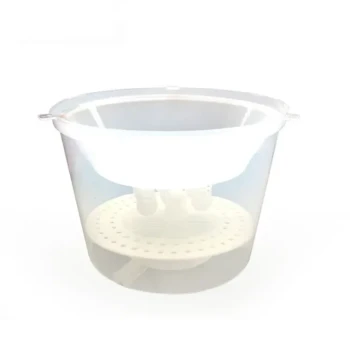
The primary function of a Bee Trap is to serve as a specialized physical collection device installed directly at the beehive entrance. Its main purpose is to capture dead bees that are being removed from the colony by "undertaker" bees, preventing them from being lost to the surrounding environment.
Core Takeaway Accurate mortality data is often compromised by environmental factors and natural bee behaviors. A Bee Trap isolates dead bees immediately upon removal, eliminating variables like wind, predators, or distant disposal to ensure precise data for pesticide and behavioral assessments.
The Mechanics of Accurate Data Collection
Intercepting "Undertaker" Bees
Inside a hive, specific worker bees known as "undertakers" are responsible for hive hygiene. Their role is to locate dead bees and physically remove them from the colony. A Bee Trap is strategically placed at the entrance to intercept this specific workflow, capturing the biological "debris" before it leaves the immediate vicinity of the hive.
Eliminating Environmental Variables
Without a trap, a dead bee removed from the hive is subject to immediate environmental chaos. Wind can blow carcasses away, and scavengers or predators may consume them before they can be counted. The Bee Trap creates a controlled isolation zone, preserving the sample integrity against these external forces.
Countering Distant Disposal
Bees are efficient cleaners and often fly dead nestmates far away from the hive to prevent disease. This "disposal at a distance" makes manual ground counting impossible. The Bee Trap captures the bee before the undertaker can fly it away, ensuring these individuals are included in mortality statistics.
Why This Matters for Research
Pesticide Hazard Assessments
When testing the safety of agricultural chemicals, researchers need precise mortality counts to determine toxicity levels. The Bee Trap provides the definitive "body count" required to assess the hazard level of pesticides accurately.
Behavioral Study Integrity
Beyond simple counts, these traps support broader behavioral studies. By analyzing what is caught in the trap, researchers can gain insights into the colony's cleaning rates, hygienic behavior efficiency, and overall health status without invasive interference.
Distinguishing Between Hive Tools
Avoiding Tool Confusion
It is critical to distinguish the Bee Trap from other entrance-mounted devices, such as pollen traps. While both are installed at the entrance, their impacts differ significantly.
Impact on Colony Resources
According to supplementary data, tools like pollen traps can reduce honey production by forcing the colony to shift its workforce from nectar to pollen collection. In contrast, the Bee Trap described in the primary reference is designed for waste assessment, not resource interception. Understanding this distinction ensures you select the correct hardware for your specific data goals.
Making the Right Choice for Your Goal
To ensure your project gathers valid data, align your tools with your specific objectives:
- If your primary focus is Pesticide Safety: You must use a Bee Trap to capture every mortality event, preventing "missing data" caused by wind or distant disposal.
- If your primary focus is Behavioral Analysis: Rely on the Bee Trap to monitor the rate of hygienic cleaning without needing to constantly open or smoke the hive.
The Bee Trap is not merely a container; it is a calibration tool that converts chaotic natural behavior into quantifiable scientific data.
Summary Table:
| Feature | Primary Function & Benefit |
|---|---|
| Core Purpose | Captures dead bees removed by "undertaker" bees at the hive entrance. |
| Data Integrity | Eliminates variables like wind, scavengers, and distant disposal. |
| Research Use | Critical for accurate pesticide toxicity and hazard level assessments. |
| Behavioral Insight | Monitors colony hygienic efficiency without invasive hive inspections. |
| Tool Distinction | Focuses on waste assessment rather than resource (pollen) collection. |
Elevate Your Beekeeping Efficiency with HONESTBEE
At HONESTBEE, we specialize in supporting commercial apiaries and distributors with high-performance equipment designed for precision and durability. Whether you are conducting scientific research or scaling your honey production, our comprehensive wholesale portfolio has you covered. From specialized Bee Traps and hive-making machinery to honey-filling systems and cultural merchandise, we provide the tools you need to succeed in the modern market.
Ready to scale your operation with professional-grade hardware?
Contact HONESTBEE Today to explore our wholesale offerings and discover how our expertise can drive your business forward.
References
- Ingrid Illies, Norbert Sachser. The influence of different bee traps on undertaking behaviour of the honey bee (<i>Apis mellifera</i>) and development of a new trap. DOI: 10.1051/apido:2002014
This article is also based on technical information from HonestBee Knowledge Base .
Related Products
- 30 cm Plastic Entrance Hole Bee Pollen Trap and Collector
- Plastic Bee Pollen Trap Strips Comb Catcher Collector
- Removable Plastic Pollen Trap With Ventilated Tray for Bees Pollen Collector
- Black Plastic Beetle Barn Hive Beetle Trap for Beehives
- Reusable Clear Small Hive Beetle Traps for Beehives Beetle Trapping Tools
People Also Ask
- What are the design principles and advantages of pollen traps in the collection of bee pollen? Boost Your Apiary Yield
- Why is frequent harvesting of bee pollen from traps necessary for quality control? Ensure Freshness and Prevent Mold.
- How often should bee pollen be harvested from a trap and why? Master Freshness and Prevent Spoilage
- What function do pollen traps serve in quantitative collection? Boost Your Apiary's Data & Production Efficiency
- What is the primary function of bee pollen traps? Optimize Your Pollen Harvest with Advanced Extraction Efficiency