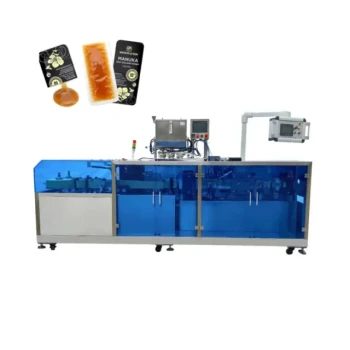
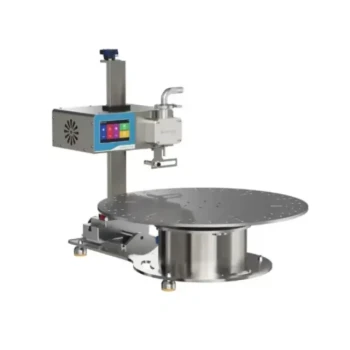
A honey stick machine is a specialized packaging unit designed to wrap honey inside plastic or foil film to create narrow, tube-like straws. Its primary function is to transform bulk honey into single-serving portions characterized by a high length-to-width ratio. Beyond simple filling, these machines are essential for securing the product for safe shipment by enclosing it in durable polymer or aluminum materials.
Core Takeaway: The machine’s central purpose is to automate the "form-fill-seal" process, converting raw material into protected, portable doses of honey that are ready for retail or transport.
The Operational Process
The machine functions through a synchronized operation that integrates three distinct phases: forming, filling, and sealing.
Film Unwinding and forming
The process begins with roll stock, a large roll of food-grade film. An unwinding disk rotates to feed the film into the machine, maintaining constant tension via nip rollers to prevent spillage or misalignment.
Shaping the Stick
A forming tube—specifically a conical-shaped device with a collar—folds the flat film into a tubular shape. This creates the physical structure of the stick pack.
Sealing and Filling
A vertical sealing bar uses heat and pressure to seal the side edges of the tube. Simultaneously, a piston pump draws honey from the hopper and dispenses a precise amount into the tube through filling nozzles.
Final Closure
Once filled, horizontal sealing bars seal the top and bottom of the packet. A sharp cutter located within these bars separates the individual stick from the continuous strip.
Key Production Advantages
For manufacturers, the honey stick machine offers benefits that go beyond basic packaging.
High Flexibility
While designed for honey, these machines are highly versatile. They are equipped with volumetric pumps that can handle various viscosities, from watery liquids to pastes, and can even be adjusted to process solids or powders.
Speed and Automation
High-tech controls automate the packaging cycle, drastically reducing output time compared to manual methods. This speed contributes to a quicker payback period for the equipment.
Hygienic Standards
Built according to cGMP guidelines, these machines are designed to minimize contamination. Features like swivel dosing systems facilitate quick cleaning, which is essential for meeting food industry safety standards.
Understanding the Trade-offs
While efficient, operating a honey stick machine requires strict adherence to safety and maintenance protocols to avoid common pitfalls.
Operational Hazards
The machine relies on high heat for sealing and sharp blades for cutting. Operators must use safety guards and wear appropriate PPE (goggles, gloves, overalls) to prevent burns or lacerations.
Electrical and Static Risks
The friction of unwinding film can generate static charge. The machine must be properly grounded, and operators should avoid contact with running parts to prevent electric shock.
Precision Requirements
The machine is sensitive to environmental variables. It requires consistent temperature and pressure settings; deviating from these can lead to weak seals or machine malfunction.
Making the Right Choice for Your Goal
Select your equipment configuration based on your specific production needs.
- If your primary focus is product versatility: Prioritize a machine with modular piston pumps that allow you to switch between viscous honey and other granular or liquid products.
- If your primary focus is operator safety: Ensure the unit is equipped with comprehensive emergency stop buttons and rigid safety guards covering all moving sealing bars.
- If your primary focus is sanitary compliance: Look for machines with a "swivel dosing system" and modular construction, which allow for better visibility and easier cleaning of the honey flow path.
The honey stick machine is a critical asset that bridges the gap between bulk production and consumer convenience through precise, high-speed automation.
Summary Table:
| Feature | Description | Key Benefit |
|---|---|---|
| Primary Function | Form-Fill-Seal automation | Converts bulk honey into portable portions |
| Mechanism | Piston pump & heat sealing | Ensures precise dosing and leak-proof sticks |
| Compliance | cGMP Standards | Guarantees food safety and easy cleaning |
| Versatility | Adjustable viscosity handling | Compatible with liquids, pastes, and powders |
| Safety | Integrated guards & E-stops | Protects operators from heat and cutting blades |
Elevate Your Beekeeping Business with HONESTBEE
Are you looking to scale your production and reach more customers with convenient honey stick packaging? HONESTBEE specializes in supporting commercial apiaries and distributors with high-performance honey-filling machines, specialized beekeeping tools, and a full spectrum of industry consumables.
Whether you need robust machinery to automate your packaging or premium hardware for hive management, we provide the technical expertise and equipment to grow your brand.
Ready to optimize your honey production? Contact us today for a wholesale consultation and let us deliver the solutions your honey business deserves.
Related Products
- Honey Stick Filler Vertical Paste Sachet Packing Machine for Honey Sachets
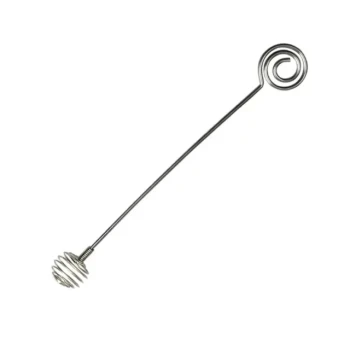
- Modern Stainless Steel Honey Dipper Stirrer
- Professional Plastic Honey Dipper for Easy Honey Drizzling
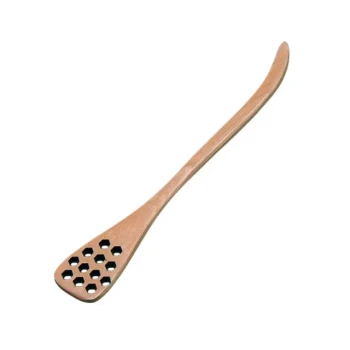
- Modern Honeycomb Pattern Wooden Honey Dipper for Stirring and Drizzling
- Automatic Single-Dose Snap & Squeeze Honey Sachets Packing Machine
People Also Ask
- How do honey stick and honey sachet machines differ? Choose the Right Packaging for Your Honey
- What are the main functions of a honey sachet packing machine? Boost Efficiency with Automated Precision
- What are the advantages of honey sachet packing machines? Boost Efficiency & Unlock New Markets
- What types of filling and packing machines are available for different scales of honey production? Expert Solutions
- What is a honey stick packing machine? Master the Operational Process for Efficient Packaging