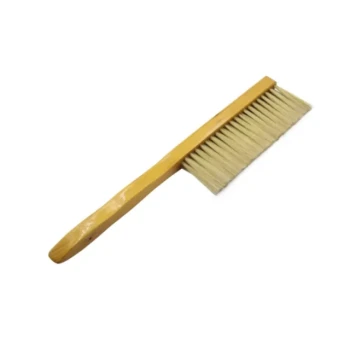
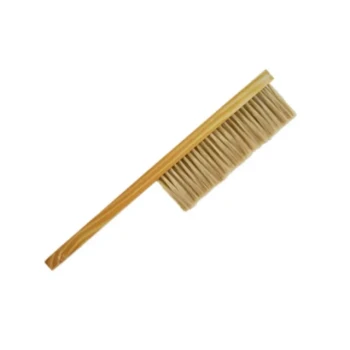
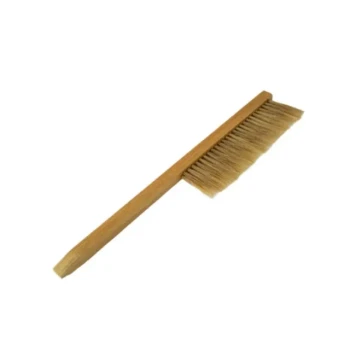
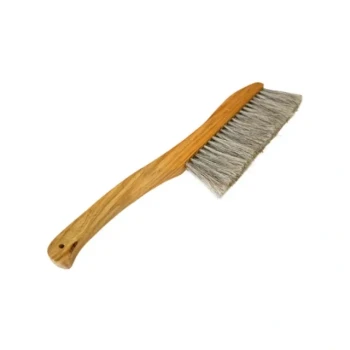
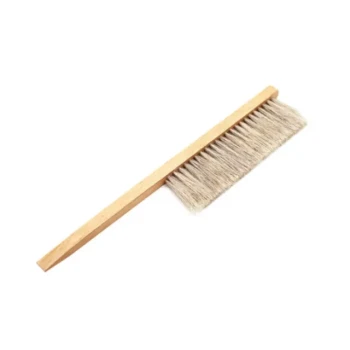
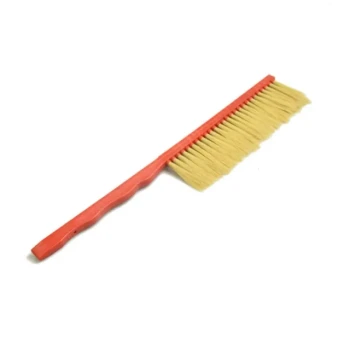
The primary function of a professional beekeeping brush is to safely and effectively transfer worker bees from the honeycomb into a collection container. By utilizing soft, resilient bristles, the brush allows the operator to sweep the bees without crushing them, thereby minimizing physical damage and physiological stress during the sampling process.
Core Takeaway Accuracy in Varroa destructor detection begins with the physical integrity of the host. The professional beekeeping brush acts as a preservation tool, ensuring that the honey bee sample remains in an optimal physiological state for reliable field screening or laboratory testing.
The Mechanics of Gentle Collection
Safeguarding Bee Integrity
The structural design of a professional beekeeping brush is centered on soft and resilient bristles.
Unlike rigid tools, these bristles bend against the comb, allowing for the removal of bees without causing physical trauma. This prevents the loss of limbs or crushing of the thorax, which is essential when the sample must be kept alive or intact for analysis.
Reducing Physiological Stress
Beyond physical harm, the sampling process must minimize stress responses in the colony.
Rough handling can trigger alarm pheromones or alter the biological markers of the bees. By using a gentle sweeping motion, the brush ensures the bees enter the collection container in a state that reflects their natural condition, rather than a trauma response.
Distinguishing Tools in the Workflow
The Beekeeping Brush vs. Fine Brushes
It is critical to distinguish between the tools used at the hive versus those used in the lab.
The professional beekeeping brush is a field tool used to manipulate the bees themselves. In contrast, a "fine brush" is often used later to separate mites from debris, serving a different function focused on genomic DNA extraction integrity.
Determining the Scope of Use
While the beekeeping brush is vital for collecting the host bees, it does not directly isolate the parasite.
Its role is preparatory: it provides the volume of bees necessary to perform a standard wash or roll. The actual separation of the Varroa mite occurs after this collection phase.
Common Pitfalls and Trade-offs
The Risk of Operator Error
While the tool is designed for gentleness, technique is paramount.
An aggressive sweeping motion can still agitate the bees, leading to increased stinging and potential damage to the comb structure. The brush must be used with a flicking motion that lifts the bees rather than rolling them.
Limitations in Preservation
The brush assists in collection, but it does not preserve the sample.
Once collected, samples intended for specific pathogen detection (like Nosema or viruses) require immediate transfer to stabilization mediums, such as 70% ethanol or industrial-grade freezing gel packs, to prevent degradation.
Making the Right Choice for Your Goal
To ensure your sampling yields actionable data, select your method based on your specific diagnostic target:
- If your primary focus is Varroa Mite Quantification: Use the beekeeping brush to gently sweep approximately 300 bees (1/2 cup) into your wash jar, ensuring no queens are collected.
- If your primary focus is Genomic Mite Analysis: After collection, switch to a fine brush to manually separate individual mites from debris to preserve tissue integrity.
- If your primary focus is Viral or Nosema Detection: Immediately transfer brushed bees into ethanol or cold storage to inhibit microbial activity and protein degradation.
The quality of your diagnostic data is directly proportional to the care taken during the initial physical collection of the sample.
Summary Table:
| Feature | Professional Beekeeping Brush | Fine Lab Brush |
|---|---|---|
| Primary Goal | Gentle transfer of live bees from comb | Isolation of mites/parasites from debris |
| Application Phase | Field Collection (preparatory) | Laboratory Analysis (diagnostic) |
| Bristle Type | Long, soft, and resilient | Ultra-fine, precision-oriented |
| Impact on Sample | Minimizes stress and physical trauma | Preserves genomic integrity of the mite |
Elevate Your Apiary’s Health with HONESTBEE
Precision in beekeeping begins with the right tools. At HONESTBEE, we specialize in supporting commercial apiaries and distributors with high-quality, professional-grade equipment. From gentle beekeeping brushes that preserve sample integrity to advanced honey-filling machines and specialized hardware, our comprehensive wholesale portfolio is designed to enhance your operational efficiency.
Whether you are scaling your honey production or supplying the next generation of beekeepers, we provide the essential consumables and machinery you need to succeed. Contact us today to explore our full catalog and wholesale offerings.
References
- Richard A. Giliba, Mathew Mpanda. Changing climate patterns risk the spread of Varroa destructor infestation of African honey bees in Tanzania. DOI: 10.1186/s13717-020-00247-4
This article is also based on technical information from HonestBee Knowledge Base .
Related Products
- Wooden Bee Brush with Triple Row Artificial Fiber for Beekeeping
- Double Row Artificial Fiber Bee Brush for Beekeeping
- Classic Wooden Bee Brush with Double-Row Boar Bristles
- Premium Triple-Row Horsehair Bee Brush
- Wooden Bee Brush with Double-Row Horsehair Bristles
People Also Ask
- What is the specific function of a bee brush? Ensure Pure Harvests and Colony Welfare During Honey Extraction
- What are the key characteristics of the bristles on a bee brush? Master Gentle and Efficient Bee Removal
- What is the purpose of using a bee brush during the inspection of hive components? Safe & Precise Hive Management
- What problem does a bee brush solve? Protect Your Colony with Gentle Precision Tools
- Why is a bee brush necessary when extracting honeybee hive frames that contain larvae? Protect Your Brood and Colony