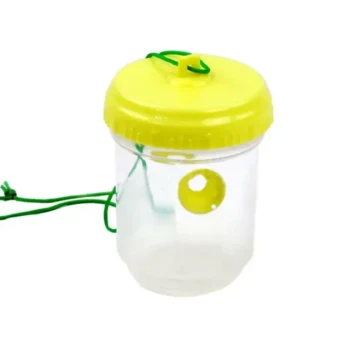
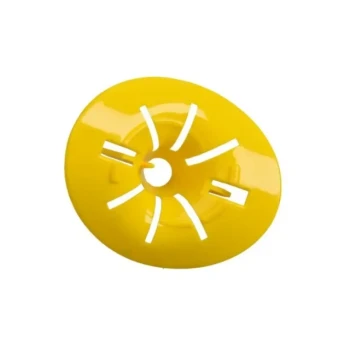
The primary function of an external pollen trap is to mechanically intercept and collect pollen loads from the hind legs of returning worker bees. By utilizing a grid device with specific apertures at the hive entrance, this tool allows researchers and apiarists to quantify foraging activity, identify floral resources, and stimulate increased flight frequency through compensatory behavior.
While often viewed simply as a collection tool, the pollen trap is a sophisticated instrument for manipulating and measuring colony dynamics. It acts as both a sensor for environmental resource availability and a regulator that can drive a colony to increase its pollination efforts.
The Mechanics of Interception
The Physical Barrier
The core mechanism of the trap is a grid device installed directly at the hive entrance. As bees navigate through specific apertures to enter the hive, the grid gently strips the pollen pellets attached to their hind legs.
Synchronized Sampling
Because the device captures pollen immediately upon the bee's return, it provides fresh, raw samples that have not yet been processed by the colony. This allows for precise analysis of what the colony is foraging on during specific time intervals.
Analyzing Foraging Dynamics
Resource Identification
By collecting these distinct pellets, operators can analyze the color and morphology of the pollen. This data reveals exactly which plant species are being visited, creating a map of the surrounding vegetation resources.
Quantitative Assessment
The trap allows for the weighing of total pollen intake. This metric serves as a direct indicator of the colony’s foraging vitality and the abundance of forage in the immediate environment.
Toxicity Monitoring
Because the samples are raw, they are ideal for environmental residue analysis. Researchers can assess whether bees are bringing back toxic elements from specific plant sources before the contaminants are integrated into the hive's food stores.
Stimulating Colony Activity
Inducing Compensatory Behavior
According to your primary reference, a critical but often overlooked function of the trap is the stimulation of compensatory foraging. By stripping a portion of the incoming pollen, the trap creates a moderate protein deficit within the hive.
Increasing Flight Frequency
To offset this artificial reduction in protein sources, the colony responds by mobilizing more workers. This results in increased flight frequency and collection activity, effectively boosting the pollination efficiency of the colony for the surrounding crops.
Understanding the Trade-offs
Nutritional Balance
While stimulating activity is beneficial, the trap creates a nutritional tax on the colony. Leaving a trap on indefinitely can starve the brood of necessary protein, weakening the hive over time.
Entrance Congestion
The grid device restricts the flow of traffic at the entrance. In periods of extremely heavy nectar flow, a trap can cause physical congestion, potentially slowing down overall hive productivity if not managed correctly.
How to Apply This to Your Project
When integrating pollen traps into your apiary management or research protocol, consider your specific objectives:
- If your primary focus is Commercial Production: Deploy the trap during peak bloom to gather high-value pollen commodities, but rotate usage to prevent colony weakening.
- If your primary focus is Environmental Monitoring: Use the trap to capture synchronized samples for identifying plant sources and testing for environmental residues.
- If your primary focus is Pollination Efficiency: Utilize the trap to induce a protein deficit, thereby stimulating the colony to increase worker flight frequency and foraging intensity.
The pollen trap is not merely a passive collector; it is an active control mechanism for assessing and enhancing the biological output of the hive.
Summary Table:
| Feature | Primary Function & Benefit |
|---|---|
| Mechanism | Mechanical interception of pollen via grid apertures |
| Data Collection | Quantifies total pollen intake and foraging vitality |
| Research Value | Identifies floral species and monitors environmental toxicity |
| Colony Stimulus | Induces compensatory behavior to increase flight frequency |
| Management | Regulates protein intake for optimized pollination efficiency |
Maximize Your Apiary Productivity with HONESTBEE
At HONESTBEE, we specialize in empowering commercial apiaries and distributors with high-performance beekeeping tools and industrial-grade machinery. Whether you need precise pollen traps for environmental monitoring or advanced honey-filling machines to scale your production, our comprehensive wholesale portfolio has you covered.
We provide everything from specialized hardware to essential industry consumables, ensuring your operations are efficient and your yields are superior. Contact us today to discover how our tailored equipment solutions can enhance your colony management and grow your business.
References
- O. Lytvynenko, K. Afara. INFLUENCE OF TECHNOLOGICAL METHODS OF BEEKEEPING ON THE FLIGHT AND COLLECTING WORK OF BEES. DOI: 10.46913/beekeepingjournal.2023.11.09
This article is also based on technical information from HonestBee Knowledge Base .
Related Products
- Removable Plastic Pollen Trap With Ventilated Tray for Bees Pollen Collector
- 30 cm Plastic Entrance Hole Bee Pollen Trap and Collector
- Plastic Bee Pollen Trap Strips Comb Catcher Collector
- High-Efficiency Diamond Maze Bee Escape for Clearing Supers
- 8 Frame and 10 Frame Propolis Trap Collector Screen for Propolis Collection
People Also Ask
- What are the design principles and advantages of pollen traps in the collection of bee pollen? Boost Your Apiary Yield
- What is the function of professional pollen traps in evaluating honey plants? Quantifying Pollination and Crop Potential
- What functions do pollen traps serve for bee bread production? Optimize Your Raw Material Collection
- What maintenance and pest prevention measures should be taken for pollen traps? Protect Your Hive and Harvest Quality
- How does the use of pollen traps in honeybee hives enhance crop fertilization? Boost Your Yield Through Induced Activity