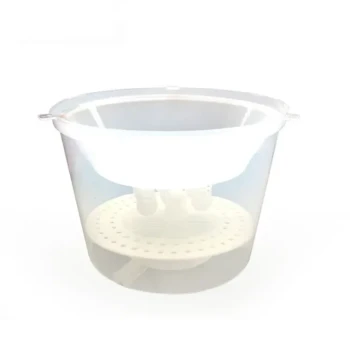
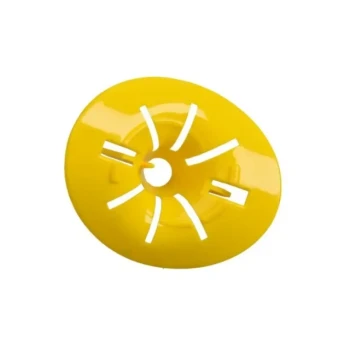
Standard pollen traps function as mechanical interceptors installed at the entrance of a beehive. Their primary role in residue analysis is to strip pollen pellets from the legs of returning foraging bees, providing the essential raw material needed for botanical identification and chemical composition testing.
Core Insight: The pollen trap is the bridge between the field and the laboratory. By isolating pollen before it enters the hive's internal storage system, the trap ensures researchers obtain a raw, uncontaminated sample that accurately reflects the immediate environmental conditions and pesticide exposure levels.
The Mechanics of Sample Collection
Physical Interception
The fundamental operation of a pollen trap relies on a specialized physical grid or mesh placed at the hive entrance.
As foraging bees return to the colony, they are forced to crawl through precisely calculated apertures (often around 5mm) to enter.
Separation of Material
This process mechanically dislodges the pollen pellets attached to the bees' hind legs without harming the insects.
The stripped pellets fall directly into a collection drawer or tray beneath the grid, separating the sample from the bees effectively.
Automated Accumulation
This mechanism allows for the continuous, automated harvesting of large quantities of sample material.
It eliminates the need to capture individual insects, making the sampling process non-invasive and scalable for broad environmental studies.
Why Traps are Critical for Residue Analysis
Capturing Unprocessed Samples
For accurate chemical analysis, it is vital to analyze pollen that has not yet been processed or stored by the colony.
Traps intercept the pollen immediately, preventing it from being mixed with nectar or fermented into "bee bread" inside the hive.
Real-Time Environmental Monitoring
Trapped pollen provides a realistic reflection of immediate pesticide exposure in the surrounding ecosystem.
Because the sample is fresh, it serves as a direct snapshot of the chemical landscape crops and vegetation are currently exhibiting.
Preservation of Chemical Integrity
High-quality traps often utilize dry collection trays to mitigate environmental humidity.
This design feature helps prevent microbial contamination and the degradation of biochemical activity, ensuring the chemical profile of the residue remains intact for laboratory testing.
Understanding the Trade-offs
Impact on Colony Nutrition
While efficient for sampling, traps deprive the colony of protein resources if used excessively.
It is critical to manage the collection schedule to ensure the hive retains sufficient pollen stores for its own brood rearing and growth.
Moisture Management
Despite design improvements, pollen in the collection tray is still susceptible to ambient humidity.
If samples are not harvested frequently from the trap, moisture can lead to mold growth, which compromises the validity of chemical residue analysis.
Making the Right Choice for Your Goal
When incorporating pollen traps into your analysis protocol, consider the specific requirements of your study:
- If your primary focus is pesticide monitoring: Prioritize traps that allow for frequent, daily collection to capture immediate exposure levels without colony processing.
- If your primary focus is botanical identification: Ensure the trap's grid aperture is appropriate for the specific bee species and pollen load sizes you expect to encounter to maximize yield.
The effectiveness of your residue analysis depends entirely on the integrity of the sample at the point of interception.
Summary Table:
| Feature | Function in Residue Analysis |
|---|---|
| Physical Grid | Mechanically strips pollen pellets from foraging bees' legs. |
| Collection Tray | Isolates raw samples before hive processing or fermentation. |
| Real-Time Sampling | Captures immediate pesticide exposure in the local ecosystem. |
| Non-Invasive Design | Enables large-scale automated harvesting without harming the colony. |
| Integrity Protection | Prevents moisture-driven degradation of chemical profiles. |
Elevate Your Apiary Operations with HONESTBEE
At HONESTBEE, we specialize in empowering commercial apiaries and global distributors with high-performance beekeeping solutions. Whether you are conducting precise environmental research or scaling up production, our comprehensive wholesale portfolio has you covered.
Our Value to You:
- Precision Machinery: From advanced hive-making equipment to high-efficiency honey-filling machines.
- Complete Equipment Range: A full spectrum of durable beekeeping tools and essential industry consumables.
- Cultural Merchandise: Unique honey-themed products to diversify your market appeal.
Ready to enhance your efficiency and sample integrity? Contact HONESTBEE today to explore our wholesale offerings and industrial-grade beekeeping hardware.
References
- Riccardo Favaro, Sergio Angeli. Botanical Origin of Pesticide Residues in Pollen Loads Collected by Honeybees During and After Apple Bloom. DOI: 10.3389/fphys.2019.01069
This article is also based on technical information from HonestBee Knowledge Base .
Related Products
- Removable Plastic Pollen Trap With Ventilated Tray for Bees Pollen Collector
- 30 cm Plastic Entrance Hole Bee Pollen Trap and Collector
- Plastic Bee Pollen Trap Strips Comb Catcher Collector
- High-Efficiency Diamond Maze Bee Escape for Clearing Supers
- Professional Bucket Style Wasp and Moth Pheromone Trap
People Also Ask
- What are the design principles and advantages of pollen traps in the collection of bee pollen? Boost Your Apiary Yield
- What is the function of professional pollen traps in evaluating honey plants? Quantifying Pollination and Crop Potential
- What functions do pollen traps serve for bee bread production? Optimize Your Raw Material Collection
- What maintenance and pest prevention measures should be taken for pollen traps? Protect Your Hive and Harvest Quality
- How does the use of pollen traps in honeybee hives enhance crop fertilization? Boost Your Yield Through Induced Activity