The primary function of sterilized sampling bottles is to provide a strictly isolated environment that prevents secondary contamination by external microorganisms during collection and transport. This barrier is critical for ensuring that subsequent quantitative analyses—specifically total colony counts, molds, and yeast levels—accurately reflect the original sanitary status of the honey at the apiary, rather than artifacts introduced during handling.
Core Takeaway Accurate microbial data relies entirely on the sample's isolation from the moment of collection. Sterilized bottles guarantee that any biological activity detected in the lab is intrinsic to the honey itself, ensuring data validity for both sanitary assessment and antifungal research.
Preserving Microbial Integrity
Preventing Secondary Contamination
The most immediate risk to a honey sample is the introduction of environmental flora.
Sterilized bottles act as a safeguard, blocking external bacteria and fungi from entering the sample. This ensures the sample remains a true representation of the hive environment, not the surrounding air or handling tools.
Ensuring Accurate Quantitative Analysis
Laboratory analysis often focuses on measuring specific microbial loads.
By eliminating external variables, sterilized containers allow for the precise measurement of total colony counts, molds, and yeast. This accuracy is essential for determining the actual sanitary quality of the honey production process.
Isolating Natural Antifungal Activity
Honey is often analyzed for its inherent medicinal or biological properties.
Using sterile containers ensures that any antifungal activity observed in the lab results from the honey's natural components. It eliminates the possibility that the results are being skewed by interference from environmental microorganisms.
Protecting Physical and Chemical Stability
Combating Hygroscopicity
Honey is highly hygroscopic, meaning it readily absorbs moisture from the air.
While sterility addresses living contaminants, the physical seal of the bottle prevents atmospheric moisture from diluting the honey. This maintains the sample's original concentration and prevents fermentation that could be triggered by excess water content.
Maintaining Chemical Inertness
The interaction between the honey and its container can alter chemical data.
Sterilized bottles, particularly those made of glass, are chemically inert. They prevent the migration of packaging materials into the sample, preserving the stability of amino acids, enzymes, and other biochemical markers required for physicochemical analysis.
Understanding the Trade-offs
Material Selection: Glass vs. Plastic
While sterility is the baseline, the material of the sterile bottle impacts long-term storage.
Sterile plastic is sufficient for short-term microbial counts, but sterilized glass is superior for long-term chemical stability. Glass prevents the leaching of compounds that might interfere with sensitive trace residue analysis.
The Necessity of the Seal
A sterile interior is useless if the seal is compromised during transport.
Because honey is acidic and hygroscopic, a loose cap allows for both moisture ingress and potential oxidation. You must prioritize bottles with high-integrity sealing mechanisms to prevent the sample from chemically reacting with the external environment before analysis.
Making the Right Choice for Your Goal
To ensure your data withstands scrutiny, select your sampling equipment based on your specific analytical targets:
- If your primary focus is Sanitary Assessment (Microbial Counts): Prioritize certified sterile containers to prevent false positives in mold and yeast detection.
- If your primary focus is Physicochemical Analysis (Enzymes/Pollen): Prioritize sterile glass containers with airtight seals to prevent moisture absorption and chemical leaching.
Data integrity begins at the collection site; a compromised sample cannot be fixed in the laboratory.
Summary Table:
| Feature | Purpose in Honey Sampling | Impact on Data Accuracy |
|---|---|---|
| Sterility | Prevents secondary microbial contamination | Ensures accurate colony, mold, and yeast counts |
| Airtight Seal | Blocks moisture (hygroscopicity) & air | Prevents fermentation and chemical oxidation |
| Chemical Inertness | Minimizes leaching (especially glass) | Protects enzymes, amino acids, and biochemical markers |
| Isolation | Blocks external environmental flora | Guarantees results reflect apiary's true sanitary status |
Elevate Your Apiary’s Quality Standards with HONESTBEE
Precise data starts with professional equipment. HONESTBEE provides commercial apiaries and distributors with the high-quality tools needed to maintain product integrity from hive to laboratory. Whether you require specialized honey-filling machinery or a full range of beekeeping consumables, our comprehensive wholesale offering is designed to support your growth.
Our value to you:
- Industry-Leading Equipment: From hive-making machines to precision filling systems.
- Total Supply Solutions: A complete spectrum of tools and hardware for large-scale operations.
- Expert Support: Tailored products for honey-themed merchandise and professional branding.
Ready to scale your production and ensure the highest honey quality? Contact HONESTBEE today for premium wholesale beekeeping solutions!
References
- Douglas Galhardo, Émerson Dechechi Chambó. Microbiological Quality of <i>Apis mellifera</i> L. Honey Samples from Western Paraná, Southern Brazil. DOI: 10.2478/jas-2020-0024
This article is also based on technical information from HonestBee Knowledge Base .
Related Products
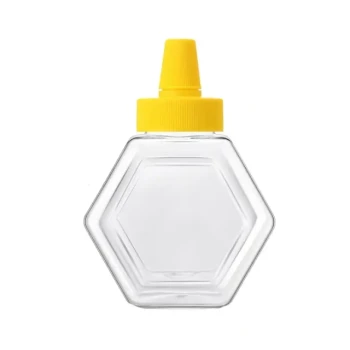
- Hexagonal Squeeze Honey Bottle with No Drip Lid
- Stainless Steel Uncapping Tank with Stand and Strainer
People Also Ask
- What are the benefits of squeeze bottles for honey packaging? Unlock Mess-Free Convenience & Control
- How do honey bottles contribute to the preservation of honey products? Secure Quality and Commercial Value
- What are the features of honey bottles? Design for Convenience & Long-Term Preservation
- How should honey bottles be prepared before pouring honey into them? The #1 Rule for Honey Longevity
- What are the features and benefits of using honey bottles for packaging? Optimize Preservation and Consumer Experience