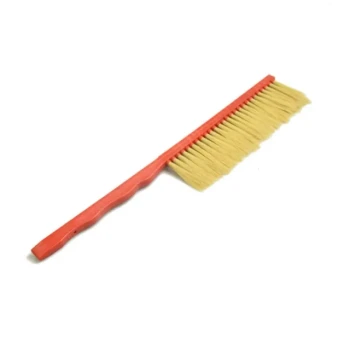
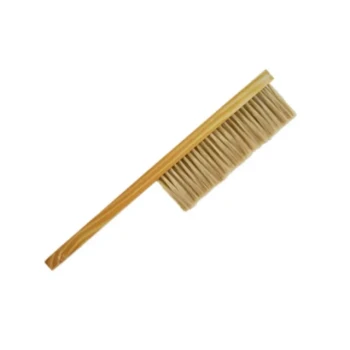
Precision is paramount in genetic sampling. The primary function of using a fine brush during the collection of Varroa destructor samples is to manually separate adult female mites from beehive debris without causing physical damage. This tool ensures that the mite acts as a stable, high-quality biological specimen for downstream analysis.
The fine brush serves as a delicate isolation tool that preserves the physical integrity of the mite's tissue. This structural preservation is the critical prerequisite for successful genomic DNA extraction, which is required to accurately detect drug resistance.
The Mechanics of Mite Isolation
Selective Separation from Debris
The floor of a beehive is often covered in a mix of wax, pollen, and general detritus.
The fine brush allows the collector to sift through this mixture with high granularity.
It enables the specific identification and retrieval of adult female mites while leaving the surrounding waste material behind.
Non-Destructive Handling
Unlike mechanical vacuums or coarse sweeping, a fine brush applies minimal force.
This ensures the separation process is non-destructive.
The goal is to move the mite without crushing its exoskeleton or rupturing internal organs.
The Critical Link to Genetic Analysis
Preserving Tissue Integrity
The physical state of the collected sample directly impacts the success of the laboratory phase.
Drug resistance detection relies on analyzing the mite's genetic makeup.
Using a fine brush ensures the tissue remains intact, preventing the degradation that occurs when a specimen is physically compromised.
The Foundation for DNA Extraction
High-quality genomic DNA extraction requires a pristine sample.
If the mite is crushed during collection, enzymes released from the ruptured tissue can degrade the DNA before it reaches the lab.
The fine brush acts as the first line of defense in quality control, securing a viable foundation for genomic sequencing.
Common Pitfalls to Avoid
Confusing Tool Scales
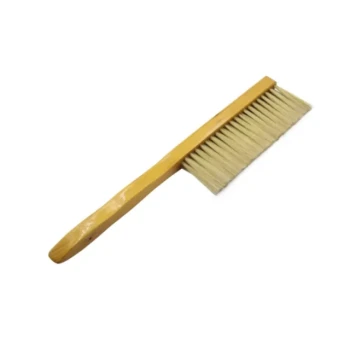
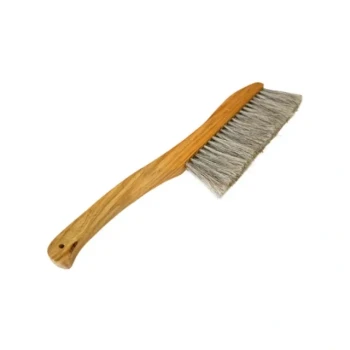
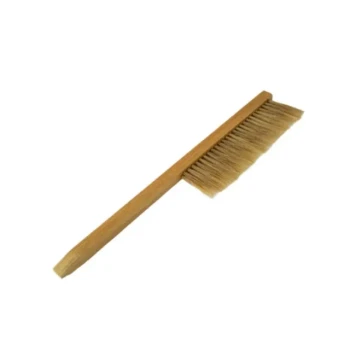
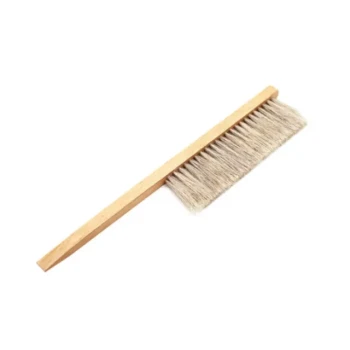
It is crucial not to confuse the "fine brush" used for mites with the larger beekeeping brushes used for sweeping bees.
While beekeeping brushes are designed for the resilience of worker bees, they are too coarse for the delicate extraction of individual mites.
Using a tool that is too large or stiff will likely destroy the sample before it can be collected.
The Risk of Excessive Pressure
Even when using the correct tool, manual error remains a risk.
The brush should be used to "guide" or "sweep" the mite, not to pin it down.
Applying downward pressure with the brush can damage the internal tissue just as easily as using the wrong tool.
Making the Right Choice for Your Goal
To ensure your sampling yields actionable data on drug resistance, apply the following principles:
- If your primary focus is DNA Quality: Prioritize a light, sweeping motion to ensure the mite remains alive or physically whole until preservation.
- If your primary focus is Speed: Slow down; rushing the separation phase increases the risk of crushing samples, which renders the subsequent expensive lab work useless.
By treating the collection brush as a precision instrument rather than a cleaning tool, you safeguard the genetic data necessary to accurately diagnose drug resistance.
Summary Table:
| Feature | Purpose in Mite Collection | Impact on Genetic Analysis |
|---|---|---|
| Delicate Bristles | Prevents crushing the mite's exoskeleton | Minimizes DNA degradation from tissue rupture |
| High Granularity | Separates mites from wax and debris | Reduces sample contamination for cleaner sequencing |
| Non-Destructive | Maintains physical tissue integrity | Ensures high-yield genomic DNA extraction |
| Manual Control | Allows for precise specimen selection | Increases the success rate of lab-based diagnostics |
Elevate Your Apiary’s Success with HONESTBEE
At HONESTBEE, we understand that precision in the field leads to success in the lab. As a leading provider for commercial apiaries and distributors, we offer a comprehensive wholesale range of professional beekeeping tools, specialized machinery, and essential consumables. Whether you need delicate precision brushes for mite research or industrial-scale honey-filling machines, our portfolio is designed to enhance your operational efficiency.
Partner with HONESTBEE to secure high-quality equipment tailored to your business needs.
Contact our team today to discuss your wholesale requirements!
References
- Anabel Millán‐Leiva, Joel González‐Cabrera. New PCR–RFLP diagnostics methodology for detecting Varroa destructor resistant to synthetic pyrethroids. DOI: 10.1007/s10340-018-0964-2
This article is also based on technical information from HonestBee Knowledge Base .
Related Products
- Wooden Bee Brush with Triple Row Artificial Fiber for Beekeeping
- Premium Triple-Row Horsehair Bee Brush
- Classic Wooden Bee Brush with Double-Row Boar Bristles
- Wooden Bee Brush with Double-Row Horsehair Bristles
- Plastic Handle Single Row Artificial Fiber Bee Brush
People Also Ask
- What is the specific function of a bee brush? Ensure Pure Harvests and Colony Welfare During Honey Extraction
- What are the key characteristics of the bristles on a bee brush? Master Gentle and Efficient Bee Removal
- What is the purpose of using a bee brush during the inspection of hive components? Safe & Precise Hive Management
- What problem does a bee brush solve? Protect Your Colony with Gentle Precision Tools
- Why is a bee brush necessary when extracting honeybee hive frames that contain larvae? Protect Your Brood and Colony