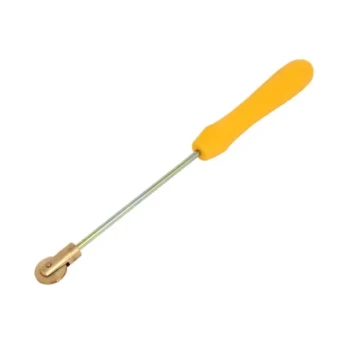
The specific purpose of using a sharp wire brush is to mechanically strip organic residues and layers of potential pathogen growth from the wood fibers of a used beehive. This physical scrubbing is performed after the hive's interior has been softened with boiling water. By removing this debris, the brush exposes the clean wood surface, ensuring that subsequent disinfection methods, such as using a blowtorch, can act effectively without interference.
Core Takeaway: Mechanical cleaning is the critical bridge between softening residues and final sterilization. By physically stripping away contaminated layers, the wire brush ensures that heat treatments act directly on the wood structure rather than being insulated by surface debris.
The Mechanics of Hive Decontamination
Softening the Substrate
Before the wire brush is employed, the hive’s interior is typically treated with boiling water.
This initial step softens the hardened propolis, wax, and organic matter attached to the wood. Without this softening phase, mechanical removal would be significantly more difficult and less effective.
Scouring the Wood Fibers
Once the residues are soft, the sharp wire brush acts as an aggressive scouring tool.
Its bristles penetrate the texture of the wood fibers to dislodge deep-seated contaminants. This is not merely a cosmetic cleaning; it is a physical extraction of biological material that could harbor disease.
Removing the Bio-load
The primary target of the brush is the layer of potential pathogen growth.
Over time, hives accumulate organic buildup that can shield bacteria and spores. The wire brush mechanically breaks up and removes these protective layers, drastically reducing the bio-load on the surface.
The Critical Role of Surface Preparation
Eliminating the "Insulation" Layer
If you attempt to sterilize a hive without brushing it first, the remaining wax and propolis act as insulators.
Heat from a blowtorch may only char the top layer of debris while leaving pathogens alive underneath. The wire brush removes this insulation, allowing heat to penetrate the wood directly.
Preparing for the Blowtorch
The mechanical cleaning serves as a necessary prerequisite for thermal disinfection.
The primary reference notes that the brush ensures the blowtorch can act directly on a "clean wood surface." This maximizes the sterilizing power of the flame, ensuring it cauterizes the wood rather than just burning waste material.
Common Pitfalls and Considerations
The Necessity of Sharpness
A dull brush will merely polish the dirt rather than remove it.
The brush must be "sharp" to effectively scrape the wood fibers. Using worn-out tools will result in a surface that looks clean but still retains microscopic contaminants.
The Sequence Matters
It is a mistake to use the brush without the boiling water step or to skip the brush before the torch.
Attempting to brush cold, hard propolis is ineffective and labor-intensive. Similarly, torching before brushing seals contaminants into the wood rather than removing them.
Making the Right Choice for Your Goal
To ensure your hive maintenance is effective, follow these guidelines based on your specific objectives:
- If your primary focus is disease prevention: You must use the wire brush thoroughly to expose raw wood, as this is the only way to guarantee the blowtorch kills pathogens hiding in the grain.
- If your primary focus is workflow efficiency: Ensure the water is boiling hot before you start scrubbing, as this softens the residue enough to make the wire brushing process fast and effective.
Mechanical removal is not an optional step; it is the foundation of a sterile hive environment.
Summary Table:
| Decontamination Stage | Tool/Method | Primary Purpose |
|---|---|---|
| Stage 1: Softening | Boiling Water | Loosens hardened propolis, wax, and organic debris |
| Stage 2: Scouring | Sharp Wire Brush | Mechanically strips pathogens and exposes raw wood fibers |
| Stage 3: Sterilization | Blowtorch | Cauterizes the wood surface to eliminate remaining bacteria |
| Critical Factor | Tool Sharpness | Essential for penetrating wood grain rather than polishing dirt |
Maximize Your Apiary’s Health with Professional-Grade Equipment
At HONESTBEE, we understand that proper hive maintenance is the backbone of a productive honey season. Whether you are managing commercial apiaries or supplying the industry as a distributor, our comprehensive wholesale range is designed to meet your every need. From heavy-duty hive-making and honey-filling machinery to essential beekeeping tools and specialized consumables, we provide the hardware that ensures efficiency and hygiene.
Don't let outdated tools compromise your colony's safety. Let us help you scale your operations with high-quality equipment tailored for professional beekeepers.
Contact HONESTBEE Today for Wholesale Solutions
References
- Mehmet Karasu, Aşkın Yaşar. Bee Diseases, Treatments, and Prevention in the Folklore of the Ordu-Giresun Region in Türkiye. DOI: 10.59277/jef.2024.1-2.07
This article is also based on technical information from HonestBee Knowledge Base .
Related Products
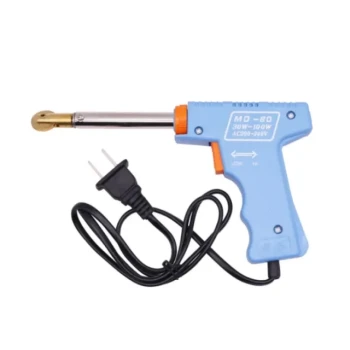
- HONESTBEE professional Efficient Beekeeping Tool: Electric Spur Wheel Wire Embedder
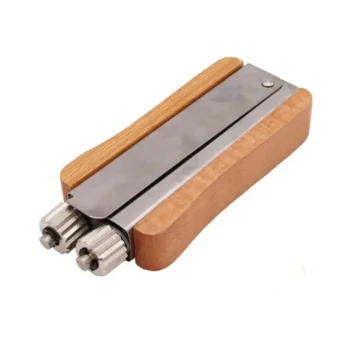
- HONESTBEE Durable Ergonomic Wooden Handle Frame Wire Crimper
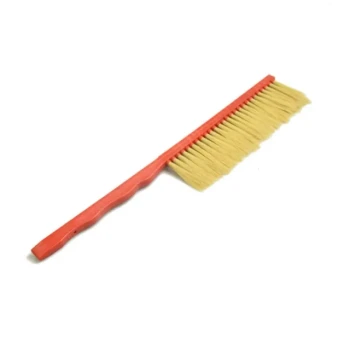
- Plastic Handle Single Row Artificial Fiber Bee Brush
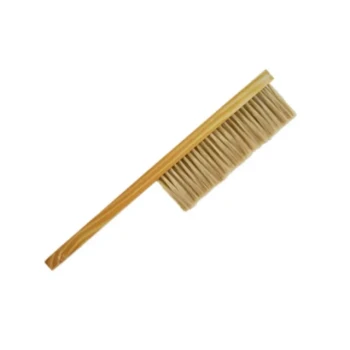
- Double Row Artificial Fiber Bee Brush for Beekeeping
- Professional Frame Preparation: The HONESTBEE Electric Wire Embedder
People Also Ask
- How can combs be further strengthened? Embed Wires for Durable, High-Yield Hives
- What is the primary function of an electric embedder? Secure Your Beeswax Foundation with Heat Fusion
- How do transport devices like wheelbarrows and motorcycles improve efficiency? Optimize Your Honey Logistics Now!
- What is the function of handheld electric vibrators in greenhouses? Ensure High Yields When Honeybees Are Unavailable
- What is the purpose of a widened metal wire mat in bear-proof electric fences? Maximize Grounding for Stronger Shocks