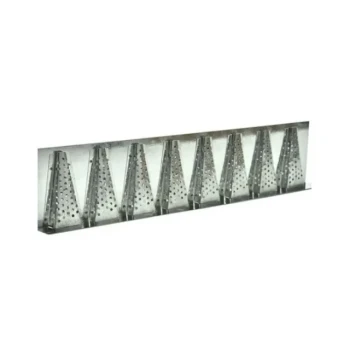
The primary purpose of removing mouse guards in the spring is to respond to the shift in weather patterns that alters the behavior of both the colony and local pests. As temperatures rise, honey bees begin to fly out of the hive at least once a week, while the external threat of mice seeking shelter significantly diminishes.
The removal of mouse guards marks a critical transition point in hive management. It acknowledges that the winter survival mode—characterized by seeking warmth and minimizing movement—has ended for both the bees and the pests that threaten them.
The Biological Triggers for Removal
Increasing Bee Activity
The most visible sign that it is time to remove the guard is the frequency of bee flight. The reference indicates that as the weather warms, honey bees begin to fly out of the hive at least once a week.
Removing the guard at this stage accommodates this increase in traffic. It ensures the entrance is fully accessible for the colony as they resume their regular activity outside the hive.
Diminishing Pest Threats
During colder months, mice view the beehive as a source of warmth and shelter. However, the reference notes that as the weather warms, the threat of mice entering the hive significantly diminishes.
Because the primary motivation for mice to invade the hive (shelter from the cold) is removed by the changing season, the protective hardware is no longer required.
Understanding the Timing Trade-offs
Assessing Weather Consistency
The decision to remove the guard is strictly tied to environmental conditions. The "trade-off" involves balancing accessibility for the bees against the lingering risk of pests.
The Indicator of Safety
If the weather has not warmed sufficiently to allow bees to fly at least once a week, the hive may still be vulnerable. The reduced threat of mice is predicated on the same warming trend that allows for bee flight. Removing the guard before this specific activity threshold is met may be premature.
Making the Right Choice for Your Hive
To determine the exact moment for removal, observe your local weather patterns and colony behavior.
- If your primary focus is Colony Access: Monitor the hive entrance; once you observe bees flying out at least once a week, the guard is likely ready to come off.
- If your primary focus is Pest Prevention: Wait until the weather has consistently warmed, as this signals that the drive for mice to seek shelter in the hive has faded.
Aligning the removal of mouse guards with established flight patterns ensures your bees have the freedom they need without exposing them to unnecessary risks.
Summary Table:
| Factor | Winter Status (Guard On) | Spring Status (Guard Off) |
|---|---|---|
| Bee Activity | Low; cluster for warmth | High; flight at least once per week |
| Mouse Behavior | Seek warmth and shelter in hives | Seek food/shelter in natural environment |
| Entrance Flow | Restricted to prevent intruders | Fully open for high-traffic foraging |
| Primary Goal | Protection from pests | Maximizing hive accessibility |
Maximize Your Colony's Potential with HONESTBEE
Transitioning your apiary for the spring season requires more than just timing—it requires the right tools. At HONESTBEE, we specialize in supporting commercial apiaries and distributors with a comprehensive range of high-quality beekeeping supplies. From precision-engineered hive-making machinery to essential hardware and seasonal consumables, our wholesale offerings are designed to enhance your operational efficiency.
Ready to scale your beekeeping business? Contact us today to discover how our professional-grade equipment and honey-themed cultural merchandise can provide the competitive edge your apiary needs.
Related Products
People Also Ask
- What protective functions do beehive entrance guards provide? Defend Your Hive Against Wasps and Moths
- What is the primary function of protective guards at hive entrances? Block Rodents & Boost Winter Survival Rates
- How do conical metal guards or rubber inner tubes function as pest control tools? Stop Ants with Mechanical Barriers
- What is the function of Hive Entrance Guards? Master Bee Colony Defense Against Small Hive Beetles
- How can hardware mesh be applied to a beehive entrance for winter protection? Secure Your Colony Against Pests