The primary technical objective of using disposable protective gloves is to establish a temporary biological barrier that effectively interrupts the chain of disease transmission. By treating the gloves as a single-use interface, you physically isolate pathogenic microorganisms—such as bacterial spores or parasite eggs—and permanently remove them from the environment by discarding the gloves immediately after contact with an infected colony.
In a quarantine or inspection setting, the operator is often the primary vector for disease spread. The technical value of disposable gloves lies in their ability to prevent large-scale cross-contamination by ensuring no biological material is carried from a compromised hive to a healthy one.
The Mechanics of Apiary Biosecurity
Creating a Biological Firewall
The fundamental purpose of the glove is to separate the operator from the biological reality of the colony.
During inspections, hands inevitably come into contact with propolis, wax, and bee biological matter that may harbor pathogens. The glove acts as a containment zone, ensuring these contaminants adhere to the latex or nitrile surface rather than the skin.
Eliminating the Pathogen Vector
The critical technical action is the immediate disposal of the barrier.
Pathogens like bacterial spores are microscopic and highly adhesive. If a glove is retained after inspecting a diseased colony, it becomes a transmission vehicle. By replacing the gloves, you mechanically remove 100% of the adhered pathogens before touching the next hive.
Preventing Apiary-Wide Contamination
Disease inspections are high-risk operations where the density of pathogens is likely elevated.
Without the discipline of changing gloves, a single infected colony can compromise the entire apiary. The disposable glove protocol ensures that the risk remains contained within the specific unit being inspected, rather than being distributed across the yard.
Operational Constraints and Protocols
The Necessity of Strict Discipline
The technical objective is only met if the "discard and replace" protocol is followed without exception.
Wearing the same pair of disposable gloves for multiple hives negates their biological advantage. If the barrier is not refreshed, it transfers spores just as effectively as bare skin.
Limitations of the Barrier
While gloves protect against surface contact, they do not sterilize other equipment.
Operators must remember that hive tools and smokers also require sterilization. Relying solely on gloves creates a false sense of security if other contact surfaces are ignored.
Making the Right Choice for Your Goal
To maximize the effectiveness of your biosecurity protocols, apply the following logic:
- If your primary focus is Quarantine Management: Change gloves strictly after every single colony interaction to treat each hive as a biologically isolated unit.
- If your primary focus is General Disease Inspection: Change gloves immediately upon identifying any sign of irregularity or infection before touching any other equipment or hives.
True biosecurity is achieved when you view your protective gear not just as armor for yourself, but as a critical component of the colony's immune system.
Summary Table:
| Technical Objective | Functional Role | Impact on Biosecurity |
|---|---|---|
| Biological Barrier | Isolates hands from propolis, wax, and pathogens | Prevents skin-to-hive contamination |
| Vector Elimination | Immediate disposal after single-use | Removes 100% of adhered microscopic spores |
| Cross-Contamination Control | Mechanical separation of colony units | Contains outbreaks to a single hive |
| Protocol Discipline | Strict discard-and-replace routine | Ensures each inspection starts with a sterile interface |
Secure Your Apiary’s Health with Professional-Grade Equipment
At HONESTBEE, we understand that true biosecurity is the foundation of a successful commercial operation. As a premier partner for commercial apiaries and distributors, we provide more than just supplies; we provide the tools to safeguard your livestock and your livelihood.
Our comprehensive wholesale portfolio includes:
- Protective Gear & Consumables: High-quality disposable and specialized gloves, protective suits, and essential industry consumables.
- Advanced Machinery: State-of-the-art hive-making and honey-filling machines to scale your production.
- Specialized Hardware: A full spectrum of beekeeping tools designed for durability and precision.
Don't let cross-contamination compromise your yields. Partner with HONESTBEE for reliable, bulk-supply solutions tailored to the needs of large-scale beekeeping professionals.
Contact us today to explore our wholesale offerings and enhance your operation's efficiency.
References
- Ayşe Ebru BORUM. BIOSECURITY AND GOOD BEEKEEPING PRACTICES IN BEEKEEPING. DOI: 10.31467/uluaricilik.1175874
This article is also based on technical information from HonestBee Knowledge Base .
Related Products
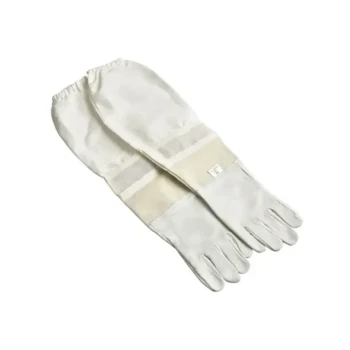
- Beekeeping Gloves Goatskin Leather with Long Cotton Sleeve for Beekeepers
- Goat Skin Leather Bee Sting Proof Beekeeping Gloves with Canvas Sleeve
- Goatskin Leather Beekeeper Gloves with Vent Long Sleeve for Beekeeping Honey Bee Sting Proof Protection
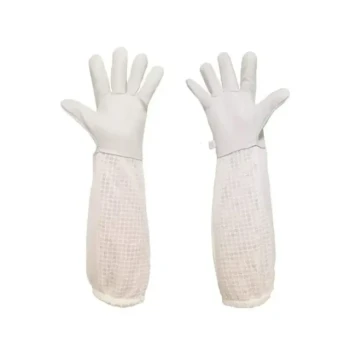
- Premium Ventilated Goatskin Beekeeping Gloves with Full 3-Layer Mesh Sleeve
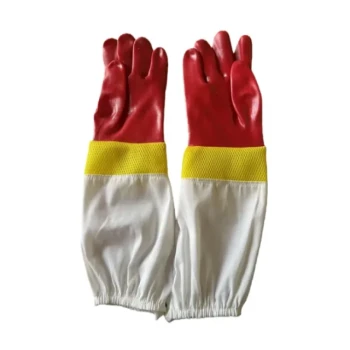
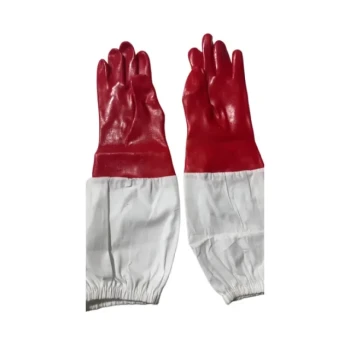
- Heavy Duty Red Rubber Beekeeping Gloves with Vented Mesh Cotton Sleeves
People Also Ask
- What are the characteristics of the best gloves for beekeeping? Choose Protection & Dexterity
- What are the primary purposes of using beekeeping gloves? Protect Your Hands and Ensure Apiary Hygiene
- What types of gloves are available for beekeeping? Choose the Right Protection for Your Hive
- Why is it important for beekeepers to wear gloves? Essential Safety and Confidence for Hive Management
- Why do some experienced beekeepers opt not to wear gloves? Discover the Benefits of Tactile Precision