The fundamental trade-off in choosing beekeeping gloves is balancing protection against dexterity. To be effective, gloves must be thick enough to prevent a bee's stinger from penetrating your skin. However, as thickness increases to enhance safety, your ability to feel and manipulate delicate items—such as frames and hive tools—significantly decreases.
While heavy gloves offer maximum security against stings, they can lead to clumsy handling that agitates the colony. The ideal choice is a glove thick enough to shield the skin but thin enough to allow for the precise, intricate movements required for hive management.
The Mechanics of the Balance
The Protection Factor
The primary purpose of a beekeeping glove is to create an impenetrable barrier. Thicker materials provide the highest level of confidence, ensuring that stingers cannot reach the skin. This is particularly valuable for beginners who may be nervous, or when working with particularly aggressive hives.
The Dexterity Requirement
Beekeeping requires fine motor skills, such as lifting frames without rolling bees or grasping a queen cage. To maintain high dexterity, you need gloves made from thinner, flexible materials. If gloves are too bulky, you lose tactile feedback, which makes it difficult to gauge the pressure you are applying to the hive components.
Key Design Factors
The Importance of a Snug Fit
Unlike bee suits or jackets, which are designed to be roomy, gloves must fit tightly. Loose gloves can slide off the wrist or bunch up at the fingertips, compromising your grip. A proper, snug fit ensures the glove moves with your hand, reducing the risk of dropping tools or damaging hive parts.
Material Selection
Different materials offer different points on the trade-off spectrum. Traditional leather offers robustness, while modern synthetic materials like nitrile can offer a "second skin" feel for precise movements. Textured fingertips or palms are valuable features that enhance grip, compensating for some loss of sensitivity.
Ventilation and Comfort
Comfort is a secondary but vital factor, often addressed through ventilated gauntlets. These gloves feature mesh panels near the wrist to allow airflow, which is critical in hot climates to prevent moisture buildup. However, this introduces a new variable: ventilated areas are less durable and may allow stings to penetrate the mesh.
Understanding the Risks
The Consequence of Over-Protection
Prioritizing maximum thickness can paradoxically lead to more problems in the hive. When you cannot feel what you are holding, you are more likely to accidentally crush bees. Crushing bees releases alarm pheromones, which can agitate the colony and trigger a defensive reaction that makes the inspection more difficult.
The Vulnerability of High Dexterity
Opting for the thinnest possible gloves (like simple nitrile exam gloves) offers superb control but minimal protection. While excellent for dexterity, these provide little defense against an angry colony. You must be willing to accept the likelihood of occasional stings in exchange for superior handling capabilities.
Making the Right Choice for Your Goal
To select the right gear, assess your experience level and your specific environment.
- If your primary focus is maximum safety: Choose thick leather gloves with long gauntlets to ensure no stings penetrate, accepting that fine motor tasks will be harder.
- If your primary focus is precision management: Select thin, flexible synthetic gloves that fit snugly, allowing you to handle queens or frames without crushing bees.
- If your primary focus is working in heat: Opt for gloves with ventilated mesh cuffs to reduce sweat, while being aware that the mesh area offers less sting resistance.
Successful beekeeping relies on finding the gear that gives you the confidence to work calmly without hindering your ability to work gently.
Summary Table:
| Glove Type | Protection Level | Dexterity Level | Best Used For |
|---|---|---|---|
| Heavy Leather | High (Maximum) | Low | Beginners & Aggressive Colonies |
| Goatskin/Sheepskin | Moderate | Moderate | General Hive Maintenance |
| Nitrile/Synthetic | Low | High (Excellent) | Queen Rearing & Precision Work |
| Ventilated Mesh | Moderate | Moderate | Working in Hot Climates |
Elevate Your Apiary Operations with HONESTBEE
At HONESTBEE, we understand that commercial apiaries and distributors require a perfect balance of safety and efficiency. Whether you need high-dexterity gloves for precise hive management or heavy-duty protection for high-volume work, we provide the full spectrum of beekeeping tools, machinery, and essential consumables.
From specialized hardware like hive-making and honey-filling machines to premium protective gear and honey-themed cultural merchandise, our comprehensive wholesale offering is designed to scale your business.
Ready to equip your business with the industry's best?
Contact us today to discuss your wholesale needs
Related Products
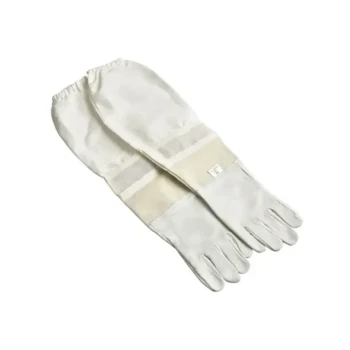
- Beekeeping Gloves Goatskin Leather with Long Cotton Sleeve for Beekeepers
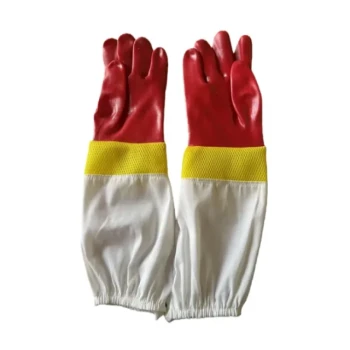
- Heavy Duty Red Rubber Beekeeping Gloves with Vented Mesh Cotton Sleeves
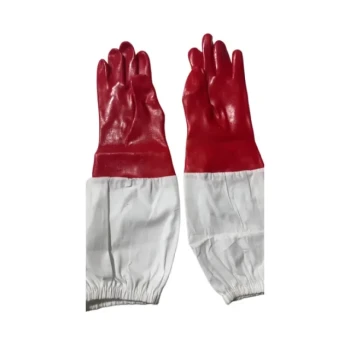
- Heavy Duty Red Rubber Beekeeping Gloves with Extended Pure Cotton Sleeves for Beekeepers
- Goatskin Leather Beekeeper Gloves with Vent Long Sleeve for Beekeeping Honey Bee Sting Proof Protection
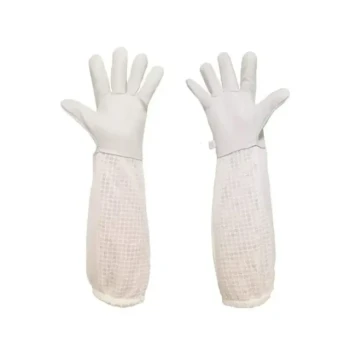
- Premium Ventilated Goatskin Beekeeping Gloves with Full 3-Layer Mesh Sleeve
People Also Ask
- What are the characteristics of the best gloves for beekeeping? Choose Protection & Dexterity
- What are the primary purposes of using beekeeping gloves? Protect Your Hands and Ensure Apiary Hygiene
- What types of gloves are available for beekeeping? Choose the Right Protection for Your Hive
- Why is it important for beekeepers to wear gloves? Essential Safety and Confidence for Hive Management
- Why do some experienced beekeepers opt not to wear gloves? Discover the Benefits of Tactile Precision