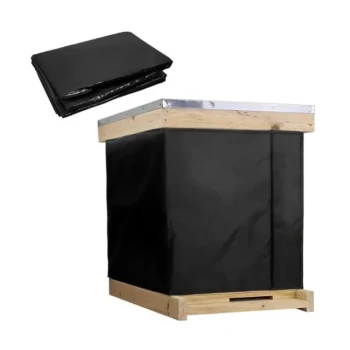
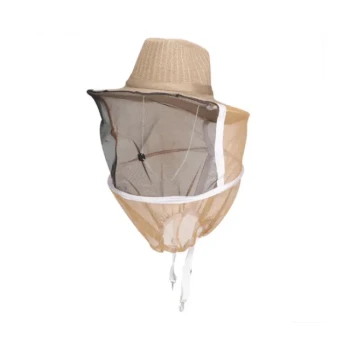
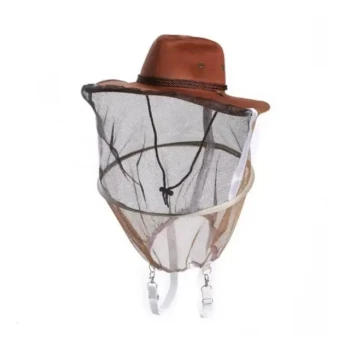
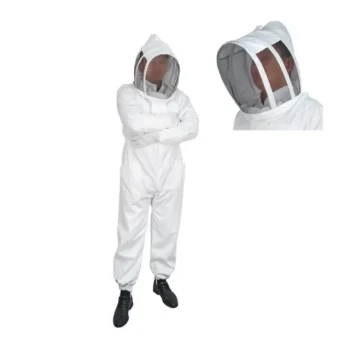
Specialized beehive covers and netting function as temporary physical isolation barriers. They protect colonies by mechanically blocking pesticide drift from entering the hive and, crucially, by confining foraging bees inside the hive during high-risk application windows to prevent contact with toxins.
Core Takeaway These physical barriers provide a cost-effective and highly efficient method for preventing acute honey bee poisoning. By temporarily isolating the colony within a safe internal environment, you eliminate the interaction between foragers and environmental pollutants during critical agricultural spray cycles.
The Mechanics of Isolation
Creating a Physical Blockade
The primary function of specialized covers is to serve as hardware that physically separates the colony from the external environment.
During pesticide application, these devices block toxic sprays and chemical dusts from drifting into the hive entrance or ventilation points. This ensures the internal environment remains uncontaminated by external pollutants.
Preventing Forager Exposure
Beyond blocking incoming drift, these tools serve an essential containment function.
They prevent foraging bees from leaving the hive during sensitive application periods. By keeping the workforce grounded, the covers stop bees from visiting fields where pesticides have just been applied, effectively breaking the chain of exposure.
Strategic Implementation
Targeted Technical Intervention
Using covers or netting is not a passive measure; it is a targeted intervention designed for specific time windows.
This method is most effective when used to temporarily block contact during known pesticide spraying cycles. It isolates the bees only while the immediate danger is present, minimizing disruption to normal hive activity once the risk passes.
Mitigating Colony Collapse
The use of isolation devices significantly lowers the probability of direct exposure to environmental toxins.
By preventing the mass mortality associated with acute poisoning, these tools help mitigate the risk of colony collapse. This preserves the workforce required for honey production immediately following the danger period.
Operational Considerations
Integration with Monitoring
Physical isolation is most effective when combined with external data.
Success often relies on agricultural meteorological monitoring to predict spray times and wind direction. This allows apiarists to deploy covers precisely when needed, rather than guessing, ensuring maximum protection with minimum confinement time.
Cost-Efficiency
Relative to the loss of a productive colony, these covers represent a low-cost investment.
They are described as highly efficient tools for preventing poisoning, offering a high return on investment by safeguarding the colony's long-term productivity and preventing the financial hit of stock replacement.
Making the Right Choice for Your Goal
To effectively utilize physical barriers for hive protection:
- If your primary focus is preventing acute mortality: Deploy covers immediately prior to scheduled spraying to ensure zero forager flight during the application window.
- If your primary focus is operational efficiency: Combine barrier usage with weather monitoring to minimize the duration the hive is sealed, reducing stress on the colony.
Proactive isolation is the single most effective hardware-based strategy for navigating the conflict between agricultural pest control and apiary health.
Summary Table:
| Feature | Protective Function | Key Benefit |
|---|---|---|
| Physical Blockade | Mechanically blocks toxic drift and chemical dust | Prevents internal hive contamination |
| Forager Containment | Keeps bees grounded during spraying windows | Stops contact with contaminated flora |
| Targeted Isolation | Deployable during specific high-risk cycles | Minimizes disruption to honey collection |
| Risk Mitigation | Reduces mass mortality events | Prevents colony collapse and stock loss |
Secure Your Apiary’s Productivity with HONESTBEE
Protecting your workforce during peak honey collection is vital for commercial success. At HONESTBEE, we specialize in supporting commercial apiaries and distributors with high-quality, professional-grade beekeeping equipment designed to withstand the rigors of modern agriculture.
From specialized hive-making machinery and honey-filling systems to essential consumables and protective hardware, our comprehensive wholesale offering ensures your operation stays efficient and resilient.
Partner with HONESTBEE to scale your beekeeping business. Contact us today to discuss our full spectrum of tools and how we can support your distribution needs!
References
- Halima Sadia, Md Mamunur Rahman. The Exposure of Pesticides to Honeybees: A Global Threat to Food Security. DOI: 10.3844/ojbsci.2024.232.243
This article is also based on technical information from HonestBee Knowledge Base .
Related Products
- Inner Beehive Cover for Beekeeping Bee Hive Inner Cover
- Professional Insulated Winter Hive Wrap for Beekeeping
- Telescopic Beehive Outer Cover Lid Roof with Galvanised Sheeting for Langstroth Hive and Beehive Outer Cover
- Professional Square Folding Wire Mesh Beekeeping Veil
- Metal Hive Feet Bee Hive Stand for Ant Protection
People Also Ask
- What is the purpose of the inner cover in a beehive? A Key to Hive Health & Easy Management
- What is the function and placement of an inner cover in a beehive? Essential Hive Management Guide
- What is the purpose of the inner and outer covers in a beehive? Essential for Hive Health & Management
- What is a beehive's inner cover and how is it used? Essential Guide for Hive Insulation and Ventilation
- What are the functions of the inner and outer covers on a beehive? Essential Guide for Hive Protection and Management