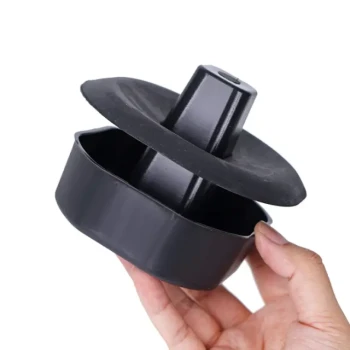
A hive stand is a structural foundation designed to elevate a beehive off the ground to improve colony health and apiary management. To be effective, the stand must raise the hive a minimum of 18 inches from the ground, a specific height requirement that deters common pests like skunks and mice while optimizing ergonomics for the beekeeper.
A hive stand is not merely a convenience; it is a critical defense mechanism. By separating the hive from the damp earth, you simultaneously extend the lifespan of your wooden equipment, create a barrier against ground-based predators, and ensure the stability required to support hundreds of pounds of honey.
The Functional Necessity of Elevation
Pest Deterrence and Predator Defense
The primary biological reason for using a stand is to distance the colony from ground-dwelling threats. Elevating the hive at least 18 inches is specifically recommended to discourage pests such as skunks and mice.
Skunks are forced to expose their soft underbellies to stinging guard bees if they attempt to reach a hive at this height. Additionally, elevation helps interrupt the development cycle of wax moths and deters ants.
Moisture Control and Equipment Preservation
Placing a hive directly on the ground exposes the bottom board to constant dampness. This moisture accelerates wood rot and shortens the lifespan of your equipment.
A stand provides a thermal break, offering insulation from the cold ground. It also improves ventilation and ensures the hive entrance remains clear of obstructing grass and weeds.
Ergonomics for the Beekeeper
Beekeeping requires lifting heavy supers, which can strain the back and joints. A stand raises the working height of the hive, significantly reducing the distance a beekeeper must bend during inspections.
Structural Specifications and Materials
Weight Capacity and Stability
A full hive can weigh several hundred pounds. The stand must be robust enough to support this load without bowing or collapsing.
Stability is paramount; the stand must provide a flat, level surface to prevent the hive from tipping over in wind or under its own weight.
Recommended Materials
Hive stands are versatile and can be constructed from various durable materials. Common, effective options include:
- Cinder blocks or bricks: Affordable and rot-proof.
- Pallets: Readily available but require checking for structural integrity.
- Railroad ties or logs: excellent for stability but can be heavy to move.
- Commercially produced stands: Often adjustable and designed specifically for apiary loads.
Understanding the Trade-offs
Height vs. Stability
While raising the hive improves ergonomics and pest control, excessive height can compromise stability. The higher the center of gravity, the more susceptible the hive becomes to strong winds or accidental tipping. You must balance the 18-inch minimum with a footprint wide enough to anchor the heavy colony securely.
The Limitations of Stands Against Large Predators
It is a common misconception that a hive stand offers protection against all predators. A hive stand will not stop a bear.
If you are in an area with bear activity, elevation is useless as a deterrent. The only effective solution for bear protection is the installation of a robust electric fence around the apiary perimeter.
Making the Right Choice for Your Goal
When selecting or building your stand, prioritize your specific environmental challenges:
- If your primary focus is Pest Control: Ensure the stand is at least 18 inches high to mechanically deter skunks and mice.
- If your primary focus is Equipment Longevity: Choose non-organic materials like cinder blocks or concrete to prevent moisture transfer to the bottom board.
- If your primary focus is Bear Defense: Acknowledge that a stand is insufficient and prioritize installing an electric fence immediately.
The right stand provides the stable, dry foundation necessary for a thriving colony and a sustainable apiary.
Summary Table:
| Feature | Recommended Specification | Primary Benefit |
|---|---|---|
| Minimum Height | 18 Inches | Deters skunks, mice, and ground pests |
| Weight Capacity | 200 - 500+ lbs | Supports full honey supers without collapsing |
| Material Type | Non-organic (Metal, Stone, Concrete) | Prevents rot and extends equipment lifespan |
| Surface | Level and Stable | Prevents tipping and ensures structural integrity |
| Airflow | Open-bottom design | Improves ventilation and moisture control |
Scale Your Apiary with Professional-Grade Equipment
At HONESTBEE, we specialize in empowering commercial apiaries and distributors with high-performance beekeeping solutions. Whether you need durable hive stands, specialized hive-making machinery, or efficient honey-filling systems, our comprehensive wholesale portfolio has you covered.
Why partner with HONESTBEE?
- Wholesale Excellence: Access a full spectrum of beekeeping tools and industrial machinery.
- Built for Professionals: Our equipment is designed to withstand the rigors of large-scale operations.
- Complete Supply Chain: From essential consumables to honey-themed cultural merchandise, we provide everything your business needs to thrive.
Ready to enhance your productivity and protect your colonies? Contact us today to discuss your wholesale needs!
Related Products
- Plastic Bee Hive Stand for Beekeeping
- Metal Hive Feet Bee Hive Stand for Ant Protection
- Metal Bee Hive Stand Bee Box Stand for Beekeeping
- Professional Ant-Proof Beehive Stand with Integrated Moat for Beekeeping
- Professional Galvanized Steel Frame Rest for Beehives
People Also Ask
- What are the benefits of elevating a bee hive with a stand or base? Protect Your Colony and Your Back
- What are the essential technical specifications for a high-quality bee hive stand? Maximize Stability and Hive Safety
- What are the potential risks of plastic bee hive stands? Avoid Structural Failure in Your Apiary
- What height should a bee hive stand be? Optimize for Your Back and Hive Health
- Why are specialized beehive stands or protective barriers necessary for pest management in apiaries? Secure Your Colony