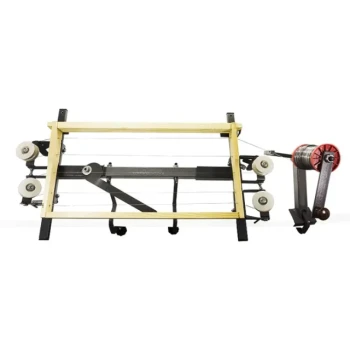
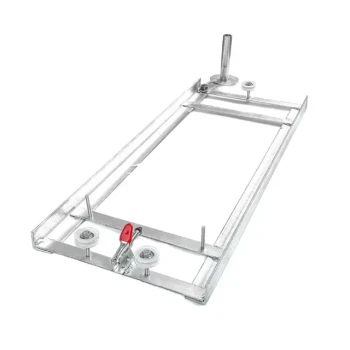
Bee wedges function as critical structural stabilizers. These are specific small wooden components utilized to lock honeycomb frames firmly into position within the hive box. Their main purpose is to prevent loose frames from shifting, ensuring the internal arrangement remains secure.
By mechanically fixing frames in place, bee wedges prevent internal movement that could damage the honeycomb or harm the colony.
The Mechanics of Hive Stabilization
Anchoring the Frames
In many hive configurations, frames hang loosely on rails or rebates. Bee wedges are inserted to apply pressure or block movement, "fixing" these frames so they cannot slide. This creates a rigid internal structure out of otherwise movable parts.
Preventing Accidental Shifting
If frames are not secured, external bumps, wind, or tilting can cause them to collide. Wedges act as a physical stop, ensuring that the specific position set by the beekeeper is maintained. This prevents the frames from swinging together and crushing the bees between them.
Understanding the Trade-offs
Stability vs. Accessibility
While wedges offer superior security, they introduce friction to the inspection process. To inspect a frame, the beekeeper must first identify and remove the wedge. This adds a manual step to the workflow compared to using systems that rely solely on gravity or self-spacing side bars.
Material Behavior
As these wedges are wooden, they are subject to environmental changes. Wood expands and contracts with the high humidity often found inside a hive. Consequently, a wedge that fits perfectly during installation may become tight and difficult to remove later.
Making the Right Choice for Your Goal
The use of wedges is essentially a balance between maximum security and speed of manipulation.
- If your primary focus is transport or mobile beekeeping: The wedge is essential to prevent frames from swinging and damaging the comb during movement.
- If your primary focus is rapid inspection: Be aware that wedges must be pried out before frames can be manipulated, which slows down the process.
Ultimately, the bee wedge is a simple, mechanical solution for enforcing structural rigidity within the hive box.
Summary Table:
| Feature | Purpose | Key Benefit |
|---|---|---|
| Structural Locking | Secures loose frames in place | Prevents internal shifting and comb damage |
| Physical Buffering | Acts as a stop between frames | Eliminates accidental bee crushing during movement |
| Mechanical Fix | Creates rigid internal structures | Essential for mobile beekeeping and transport |
| Material Design | Small, durable wooden components | Simple, cost-effective stabilization solution |
Maximize Your Apiary Productivity with HONESTBEE
At HONESTBEE, we understand that the smallest components like bee wedges play a vital role in large-scale commercial success. As a premier partner for commercial apiaries and distributors, we provide more than just tools—we offer total solutions for hive management.
From precision-engineered beekeeping hardware and hive-making machinery to essential industry consumables and honey-themed cultural merchandise, our wholesale portfolio is designed to scale your operations efficiently. Whether you are equipping a thousand hives or stocking a distribution network, our expertise in high-performance equipment ensures your colony remains protected and your honey production stays seamless.
Ready to upgrade your equipment? Contact us today to explore our comprehensive wholesale offering!
Related Products
- Professional Beekeeper Suit with Square Folding Cotton Veil
- Iconic Maya the Bee Mascot Costume Professional Engaging Character Outfit
- Yellow Plastic Bucket Pail Perch for Beekeeping
- Assembled Wooden Bee Frames with Beeswax Foundation Ready to Use by HONESTBEE
- Assembled Wooden Bee Frames with Plastic Foundation for Durability and Convenience by HONESTBEE
People Also Ask
- What material and design specifications are recommended for a high-quality beekeeper suit? Top Gear Selection Guide
- Why is mobility crucial when wearing a beekeeping suit? Essential Fit Guide for Optimal Safety and Performance
- What substances can accumulate on a beekeeping suit over time? A Guide to Hive Contaminants
- How should a beekeeping suit be dried after it has been cleaned? Essential Tips to Preserve Your Protective Gear
- What are the preparatory steps before washing a beekeeping suit? Maintain Peak Safety and Durability