High-frequency queen replacement is a proactive management strategy designed to maximize the biological output and stability of a honey bee colony. By introducing new queens at least once or twice a year, commercial apiarists aim to maintain peak biological vitality and reproductive efficiency, ensuring the hive remains robust throughout the season.
Core Insight The viability of a commercial colony relies heavily on the age of the queen. Young queens provide the superior egg-laying capacity and pheromone production necessary to build a sufficient population of winter bees, which is the single most critical factor in reducing colony mortality rates.
The Drivers of Colony Vitality
Reproductive Efficiency
The primary biological advantage of a young queen is superior egg-laying capacity. A queen replaced annually or bi-annually operates at her reproductive peak, ensuring the colony maximizes its brood production.
Pheromone Secretion Levels
Young queens produce higher levels of queen mandibular pheromone (QMP). This chemical signal is essential for maintaining colony cohesion, suppressing worker ovary development, and signaling the queen's presence and health to the hive.
Biological Vitality
Frequent replacement ensures the colony is always led by a queen with maximum vitality. This prevents the natural decline in vigor that occurs as a queen ages, keeping the colony’s biological systems functioning at high efficiency.
The Impact on Winter Survival
Securing Winter Populations
The ultimate goal of this strategy is to ensure a sufficient population of winter bees. Young queens are more likely to maintain brood rearing late into the season, guaranteeing the cluster is large enough to generate heat and survive the cold.
Reducing Queen Loss
Spontaneous queen failure is a leading cause of colony death. By systematically replacing queens before they decline, apiarists effectively reduce the rate of unexpected queen loss.
Lowering Overall Mortality
The combination of a large winter population and a vigorous queen directly correlates to lower colony mortality. This strategy acts as an insurance policy against the environmental stressors that typically collapse weaker colonies.
Understanding the Trade-offs
Management Intensity
Implementing high-frequency replacement shifts the apiary to a more intensive management schedule. It moves away from natural replacement cycles in favor of a rigid schedule (1-2 times per year) to guarantee performance.
The Cost of Stability
While this method increases survival rates, it requires the continuous sourcing or rearing of new queens. The trade-off is investing resources into replacement stock to avoid the much higher cost of losing entire colonies to winter mortality.
Making the Right Choice for Your Goals
To determine if high-frequency replacement aligns with your apiary management plan, consider your primary objectives:
- If your primary focus is Overwintering Success: Prioritize annual replacement to ensure the colony enters the cold season with a young, prolific queen and a dense population.
- If your primary focus is Production Consistency: Adopt a bi-annual replacement schedule to ensure high pheromone levels and maximum egg-laying capacity during peak flows.
High-frequency replacement is not just about changing genetics; it is a mechanism to enforce biological vigor and secure the colony against seasonal collapse.
Summary Table:
| Feature | Young Queen (High Frequency) | Older Queen (Natural Cycle) |
|---|---|---|
| Egg-Laying Capacity | Peak performance; maximum brood | Declining; smaller population |
| Pheromone Levels | High QMP; strong colony cohesion | Lower levels; risk of swarming |
| Winter Preparation | Superior winter bee production | Insufficient cluster size |
| Mortality Risk | Low; proactively managed | High; spontaneous failure risk |
| Management Style | Intensive/Proactive | Passive/Reactive |
Scale Your Apiary Success with HONESTBEE
Maintaining biological vitality through high-frequency queen replacement is just one pillar of a profitable commercial operation. At HONESTBEE, we empower commercial apiaries and distributors with the professional-grade tools needed to execute high-intensity management strategies with precision.
From hive-making machinery to streamline your expansion to specialized honey-filling machines for your harvest, our comprehensive wholesale portfolio covers the full spectrum of beekeeping hardware and essential consumables. Whether you are scaling a commercial fleet or supplying the industry, we provide the durability and innovation required for peak efficiency.
Ready to optimize your production? Contact our expert team today to discover how HONESTBEE can strengthen your supply chain and enhance your apiary's performance.
References
- Zhiguang Liu, Wei Shi. Survey results of honey bee (<i>Apis mellifera</i>) colony losses in China (2010–2013). DOI: 10.1080/00218839.2016.1193375
This article is also based on technical information from HonestBee Knowledge Base .
Related Products
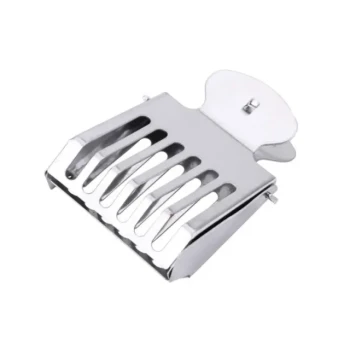
- Heavy Duty Stainless Steel Queen Bee Catcher Clip
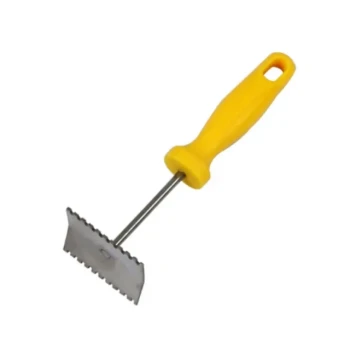
- Stainless Steel Scraper for Metal Queen Bee Excluders
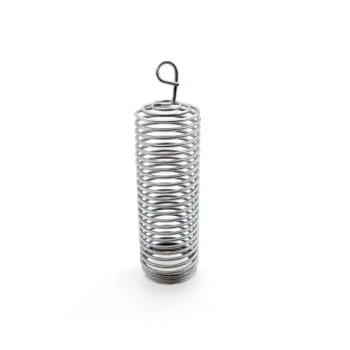
- Durable Galvanized Steel Spring Queen Bee Cage
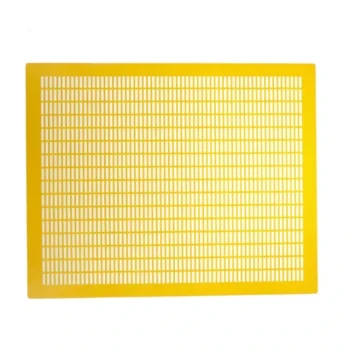
- Professional Plastic Queen Excluder for Modern Beekeeping
- Professional Queen Bee Introduction and Transport Cage
People Also Ask
- What is the function of a queen clip catcher? Ensure Safe Queen Handling & Protect Your Colony
- What are the dual functions of queen bee catchers? Protect Your Queen with Isolation & Precision Management
- What are the advantages of using a queen clip catcher? Protect Your Queen with Precise, Stress-Free Handling Tools
- What is the function of queen clip catchers? Safely Handle Your Queen Bee
- What is the purpose of a queen catcher in beekeeping? Safely Handle Your Queen Bee