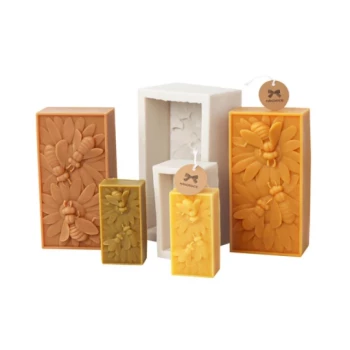
The primary purpose of crystallization agents is to act as "seeds" within concentrated homogeneous syrup. By introducing agents like seeded invert sugar or industrial-grade glucose, you induce a large-scale physical crystallization reaction. This process is essential for converting liquid syrup into a stable, dough-like paste suitable for bee consumption.
By "seeding" the mixture, these agents control the texture of the final product, ensuring it transforms from a liquid into a dense paste that retains moisture without dripping on the colony.
The Mechanics of Transformation
Inducing Physical Crystallization
Crystallization agents are not merely additives; they are catalysts for structure. When introduced to the syrup, they function as seeds. This initiates a chain reaction throughout the homogeneous liquid, forcing the sugars to align and crystallize in a controlled manner.
The Curing Timeline
This transformation is not instantaneous. To achieve the correct consistency, the mixture requires a reaction period of 60 to 72 hours. During this time, the physical structure of the feed shifts from a fluid state to a solid, manageable form.
Why Consistency Matters in the Hive
Preventing Hive Contamination
The most critical practical benefit of this process is the prevention of dripping. Liquid syrup can drip onto bees, causing chilling, drowning, or sticky conditions that promote disease. The dense, dough-like paste created by crystallization stays in place, ensuring the physical safety of the colony.
Maintaining Edibility
Bees require feed that is accessible and consumable over time. This molding technique ensures the candy maintains moisture over an extended period. A paste that dries out too quickly becomes rock-hard and inedible; crystallization agents keep the texture pliable and hygroscopic.
Understanding the Trade-offs
Production Latency
While the results are superior for the bees, this method introduces a bottleneck in manufacturing. You cannot mold and immediately ship or use the product. You must account for the 60-72 hour curing window in your production schedule to allow the crystallization reaction to complete fully.
Making the Right Choice for Your Goal
When formulating bee candy, understanding the role of these agents allows you to tailor the feed to the hive's specific needs.
- If your primary focus is Hive Hygiene: Use crystallization agents to ensure a non-drip consistency that prevents syrup from fouling the hive or harming the bees.
- If your primary focus is Long-Term Feeding: Rely on the moisture-retention properties of the crystallized paste to provide a food source that remains edible for days without drying out.
By controlling the crystallization process, you convert simple syrup into a safe, sustainable, and highly functional food source for the colony.
Summary Table:
| Feature | Purpose / Effect | Key Benefit |
|---|---|---|
| Mechanism | Acts as a "seed" for physical reaction | Converts liquid syrup to a dense, stable paste |
| Consistency | Controlled crystallization | Prevents dripping on bees, reducing mortality |
| Reaction Time | 60 to 72-hour curing window | Ensures a uniform, manageable solid structure |
| Moisture | High hygroscopic retention | Keeps feed pliable and edible over long periods |
| Hygiene | Prevents colony contamination | Reduces risk of disease and chilling within the hive |
Elevate Your Beekeeping Supply Chain with HONESTBEE
At HONESTBEE, we specialize in empowering commercial apiaries and distributors with the highest-grade equipment and consumables. Whether you are scaling production with our hive-making and honey-filling machines or looking for a reliable wholesale partner for specialized beekeeping tools and essential hardware, we provide the expertise to optimize your operations.
Ready to enhance your productivity and deliver superior value to your customers? Contact us today to discuss your wholesale needs and discover how our comprehensive portfolio—from industrial machinery to honey-themed cultural merchandise—can grow your business.
References
- G. Madzgarashvili, E. Kobakhidze. Innovative technology of making candy (paste food) for bees. DOI: 10.5281/zenodo.7671062
This article is also based on technical information from HonestBee Knowledge Base .
Related Products
- Bee Floral Relief Silicone Mold for Artisan Soap Candle Making
- Oxalic Acid Vaporizer 12V for Bee Varroa Mite Treatment
People Also Ask
- Is spray release necessary when using silicone molds for candle making? Master the Art of Flawless Demolding
- How do you secure a silicone mold for candle making? Prevent Leaks and Achieve Perfect Candles
- Why are silicone molds preferred over tin or plastic molds for beeswax candles? Boost Efficiency & Quality
- What are the advantages of silicone molds for queen cell cups? Upgrade Your Queen Rearing Precision
- How do you remove a finished candle from the mold? Master the Art of Flawless Demolding