Fine metal needles serve as the precise mechanical trigger in the "pin-killed brood assay," a standardized test used to evaluate honeybee colony health. By manually piercing capped brood cells to terminate the developing larvae inside, these needles create a controlled event that forces the colony to react.
Core Takeaway The purpose of using fine metal needles is to generate a standardized physical stimulus that mimics dead or diseased brood. This allows beekeepers and researchers to quantitatively measure "hygienic behavior"—the speed and efficiency with which a colony detects, uncaps, and removes dead larvae—which is a primary indicator of disease resistance.
The Mechanics of the Pin-Killed Assay
Creating a Standardized Stimulus
In a natural hive environment, disease outbreaks are sporadic and uneven, making them difficult to measure scientifically.
Fine metal needles solve this by allowing the technician to manually induce larval death in a specific, countable number of cells.
Simulating Disease Pathology
The needle pierces the wax capping and the underlying larvae or pupae.
This action simulates the biological signals of infected or dead brood, specifically mimicking conditions found in diseases like American Foulbrood or Chalkbrood.
The Quantitative Advantage
Because the operator controls exactly how many larvae are pierced, the resulting data is objective.
This turns a subjective observation into a hard metric: the percentage of pierced cells cleared by the bees within a specific timeframe.
Measuring Hygienic Performance
The 24-Hour Window
The standard protocol typically involves observing the colony's response 24 hours after the needles are applied.
Technicians return to the hive to count how many of the "pin-killed" larvae have been detected, uncapped, and removed by worker bees.
Calculating Efficiency
The speed of removal is the critical variable.
A colony that clears the majority of the dead larvae quickly is considered "hygienic," while a colony that leaves the dead larvae in the cells is considered "non-hygienic."
The Goal: Breeding for Resistance
Screening for Immunity
The ultimate purpose of using these needles is to identify genetic lines that possess superior disease resistance.
Colonies that excel at the pin-killed test are statistically more likely to resist actual pathogen outbreaks because they remove the source of infection before it spreads.
Providing Phenotypic Data
Breeding programs rely on observable traits (phenotypes) to select the best queens.
The data derived from the needle test provides the concrete phenotypic evidence required to make informed breeding decisions for commercial apiaries.
Understanding the Trade-offs
Precision vs. Damage
While the needle method is effective, it relies heavily on the operator's manual precision.
The needle must successfully kill the larva without causing excessive structural damage to the cell walls, which might trigger a repair response rather than a removal response.
Scope of Simulation
The pin-killed method simulates death via mechanical trauma, not actual biological infection.
While it is a highly effective proxy for general hygienic behavior, it simulates the result of disease (death) rather than the process of infection itself.
Making the Right Choice for Your Goal
To effectively utilize the pin-killed brood method, consider your primary objective:
- If your primary focus is breeding selection: Use the needle test to rigorously screen colonies and only propagate queens from hives that clear a high percentage of dead brood within 24 hours.
- If your primary focus is disease management: Use the test results as an early warning system to identify colonies with low hygienic behavior that may require more active management or treatment.
By standardizing the death of larvae with fine needles, you transform invisible genetic traits into visible, actionable data.
Summary Table:
| Feature | Pin-Killed Brood Assay Detail |
|---|---|
| Primary Tool | Fine metal needles (mechanical trigger) |
| Core Purpose | Simulate dead/diseased brood to test removal efficiency |
| Key Metric | % of cells uncapped and cleared within 24 hours |
| Primary Benefit | Identifying genetic lines with high disease resistance |
| Application | Breeding selection and commercial apiary health screening |
Elevate Your Apiary's Resilience with HONESTBEE
Identifying hygienic behavior is just the first step toward a thriving commercial operation. At HONESTBEE, we empower commercial apiaries and distributors with the professional tools and machinery needed to turn health data into productivity. From specialized beekeeping hardware and hive-making machines to advanced honey-filling equipment and essential industry consumables, our comprehensive wholesale offering is designed for scale.
Ready to optimize your production and breeding programs? Contact us today to explore our full spectrum of beekeeping solutions and see how our expertise can add value to your business.
References
- Alshaimaa Alshafy, Wesam S. Meshrif. Effect of some antimicrobial drugs on the fitness of honeybee Apis mellifera L. (Hymenoptera: Apidae). DOI: 10.21608/cat.2022.100375.1109
This article is also based on technical information from HonestBee Knowledge Base .
Related Products
- Heavy-Duty Ergonomic Grip Galvanized Pollen Shovel
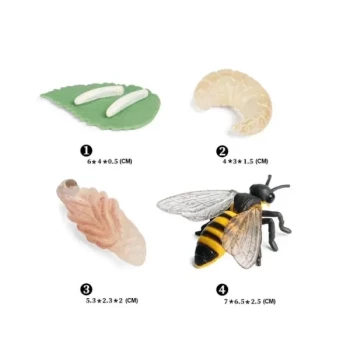
- Honey Bee Lifecycle Model: A Detailed Honeycomb Display of Bee Development
- Professional Dual Action Queen Excluder Scraper for Beekeeping
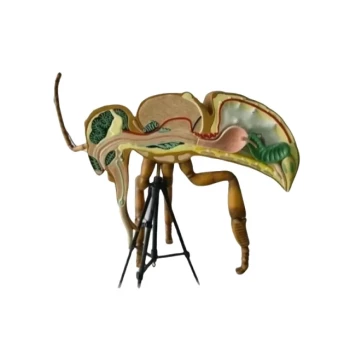
- HONESTBEE Anatomy Bee Model Detailed Anatomical Display for Education and Study
- Professional Large-Format Hive Number Set for Beekeeping
People Also Ask
- For what reasons do beekeepers collect bee pollen? Boost Hive Health and Unlock New Revenue Streams
- Why should commercial apiaries focus on the collection of diversified bee products? Maximize Your Hive’s Profit Potential
- How do bee pollen collection tools affect the quality of bee pollen used in functional dairy ice cream production?
- How does a specialized pollen collector facilitate the harvesting of diverse bee products? Automate High-Value Yields
- What is the impact of pollen collectors and associated equipment on the cost structure of pollen production? Maximize ROI