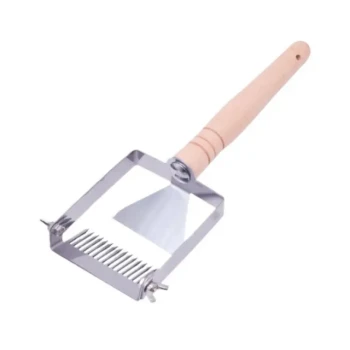
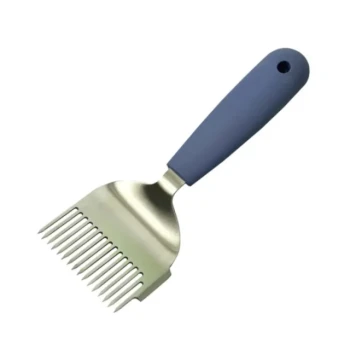
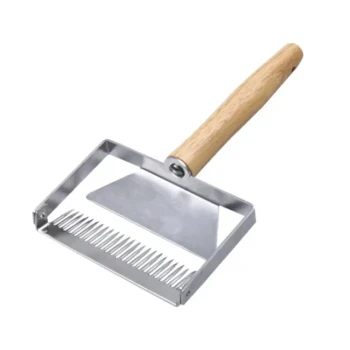
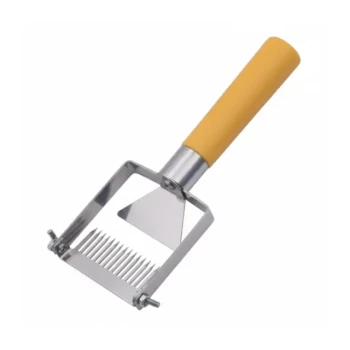
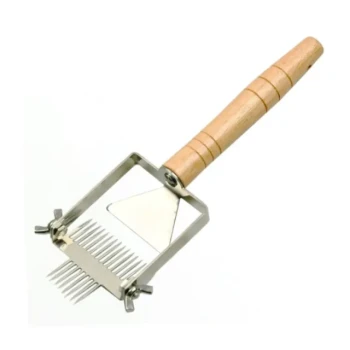
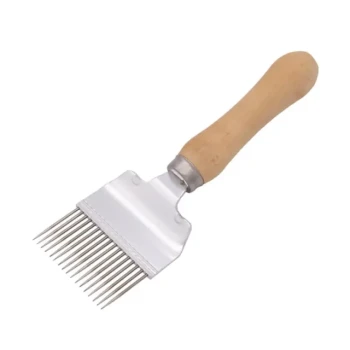
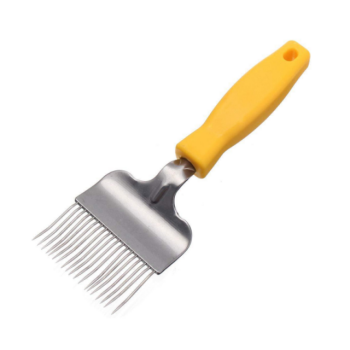
The primary purpose of using uncapping needles or tweezers is to physically breach the capped brood cells where Varroa mites reproduce, a domain inaccessible to standard visual inspections. By using these tools to manually open sealed cells, technicians can expose, identify, and count both immature and adult mites hiding within the colony's brood. This direct access is the only way to generate the data needed to calculate a comprehensive brood infestation rate.
Core Takeaway Sampling adult bees only reveals the "phoretic" mite population, missing the majority of mites hiding under cappings. Using precision tools to open brood cells exposes the reproductive stage of the infestation, providing the critical data necessary to evaluate total colony health and the true efficacy of control treatments.
Uncovering the Reproductive Stage
Accessing Hidden Populations
Standard inspections and alcohol washes only assess mites attached to adult bees. However, a significant portion of a Varroa population exists beneath the wax cappings of brood cells.
Uncapping needles and tweezers are the specific mechanisms used to bypass this physical barrier. They allow the technician to reveal the honeybee larvae and pupae without relying on natural emergence.
Calculating True Infestation Rates
To understand the full scope of an infestation, you must assess the reproductive rate.
By systematically opening a set number of random cells (often around 250), you generate a statistically significant sample. This allows you to calculate the exact percentage of infested cells, offering a metric that is far more indicative of future colony collapse risk than adult counts alone.
Strategic Implications for Management
Evaluating Treatment Efficacy
Not all treatments penetrate capped cells effectively.
By using uncapping tools before and after treatment, you can assess whether a chemical or organic control method successfully managed the mites at all developmental stages. This distinguishes between treatments that merely knock down phoretic mites and those that interrupt the reproductive cycle.
Assessing Pressure in Absence of Drones
Varroa mites prefer drone brood, but in seasons when drone brood is absent, they move to worker brood.
Systematic uncapping is particularly critical during these periods. It allows beekeepers to determine the "reproductive pressure" on the worker population, which directly impacts the overwintering viability of the colony.
Technical Nuances and Trade-offs
High-Precision Sampling for Research
For advanced diagnostics or research, the quality of the tool matters significantly.
Using professional-grade, high-precision pointed tweezers serves a dual purpose: access and preservation. Rough tools can rupture the mite's body wall, causing a loss of hemolymph. Precision tweezers allow for the extraction of intact mites, which is a strict requirement for high-quality nucleic acid sampling and genetic research.
The Cost of Invasion
While this method provides superior data, it is destructive.
The process of uncapping and inspecting cells almost invariably results in the death of the developing bee inside that specific cell. Therefore, the surveyor must balance the need for accurate data against the loss of a small percentage of the colony's future workforce.
Making the Right Choice for Your Goal
Depending on your specific objective, the application of these tools changes slightly.
- If your primary focus is Routine Colony Management: Focus on the speed and volume of uncapping to reach a sample size (e.g., 250 cells) that gives you a statistically valid infestation percentage.
- If your primary focus is Research or Genetic Analysis: Prioritize the use of high-precision tweezers to ensure mites are removed without body wall rupture, preserving nucleic acids.
- If your primary focus is Treatment Audit: Perform uncapping surveys specifically to verify if your chosen control method is penetrating capped cells or failing to stop reproduction.
Mastering the use of these tools transforms your understanding of Varroa from a surface-level guess into a deep, data-driven analysis of colony health.
Summary Table:
| Survey Metric | Purpose of Uncapping Tools | Strategic Benefit |
|---|---|---|
| Population Access | Breach wax cappings to expose mites on larvae/pupae | Identifies mites hidden from adult bee washes |
| Infestation Rate | Systematically sample ~250 cells for statistical data | Calculates the true reproductive pressure on the colony |
| Treatment Audit | Verify if treatments successfully penetrate capped cells | Distinguishes between surface control and full cycle disruption |
| Research Quality | Extract intact mites using high-precision tweezers | Ensures high-quality samples for genetic/nucleic acid analysis |
Scale Your Beekeeping Operations with HONESTBEE Precision Equipment
Accurate Varroa monitoring is the foundation of a healthy apiary, but the right tools make all the difference. At HONESTBEE, we specialize in supporting commercial apiaries and distributors with a comprehensive range of professional-grade beekeeping tools, from high-precision tweezers for diagnostics to advanced honey-filling and hive-making machinery.
Whether you are managing thousands of colonies or supplying the industry's top professionals, our wholesale solutions are designed for durability and efficiency. Partner with us to secure the highest quality consumables and hardware for your business.
Contact HONESTBEE Today for Wholesale Inquiries
References
- H. Abou El-Enain, ANWAR E. M. EISSA. EVALUATION OF SOME NATURAL SUBSTANCES FOR CONTROLLING VARROA DESTRUCTOR AND THEIR EFFECTS ON INDIVIDUAL ACTIVITY OF HONEYBEE COLONIES.. DOI: 10.21608/jppp.2007.219423
This article is also based on technical information from HonestBee Knowledge Base .
Related Products
- Adjustable Stainless Steel Honey Uncapping Fork with Scraper for Beekeeping
- Professional Honey Uncapping Roller for Efficient Harvesting
- All-Stainless Steel Pivoting Honey Uncapping Fork for Beekeeping
- Varroa Easy Check Mite Tester Kit Counter Alcohol Wash Jar
- Professional Multi-Function Uncapping Fork with Ergonomic Rubber Grip
People Also Ask
- How does a honey uncapping fork supplement the use of an uncapping knife? Boost Your Honey Yield and Extraction Efficiency
- What is the design purpose of honey uncapping forks and honey uncapping tanks? Maximize Your Harvest Efficiency
- What are the essential tools for uncapping honey frames? Choose the Right Tool for Your Apiary
- What are the tools used for uncapping honeycombs? Expert Guide to Tools & Functions for Maximum Yield
- What tools are used for honey uncapping? Choose the Right Knife for Your Harvest