For the vast majority of beekeepers, the clear recommendation is to purchase pre-made frames rather than attempting to build them from scratch. Because frames consist of small, intricate parts that are difficult to cut with precision, even those who build their own hive boxes typically buy frames. The most user-friendly options are all-in-one plastic units or fully assembled wooden frames with foundation pre-installed, as both are ready for immediate use.
Beekeepers rely on frames to inspect the hive without destroying the honeycomb. Due to the complexity of their construction, expert consensus favors purchasing pre-manufactured frames to ensure structural integrity and ease of use.
Choosing the Right Frame Structure
The Difficulty of DIY Construction
While building hive boxes is a common DIY project, frames require much higher precision. They are comprised of small, difficult-to-cut parts that must fit together perfectly to function within the hive.
Pre-made vs. Assembly Kits
To avoid the frustration of cutting intricate wood, most beekeepers purchase frames. You can buy them ready-to-use (fully assembled) for maximum convenience. Alternatively, they are available as kits for assembly, which may offer cost savings but require time and labor to put together.
Material Options: Wood vs. Plastic
Frames are generally available in two primary materials: wood or plastic. Wooden frames are traditional and often preferred by those seeking a natural aesthetic, while plastic frames are valued for their high durability and ease of cleaning.
The Role of Foundation
Guiding the Bees
Foundation is a sheet placed inside the frame to guide the bees’ construction. It encourages them to build straight comb with uniformly sized cells, which makes hive management significantly easier.
Foundation Materials
Foundation is typically made of pure beeswax or plastic coated with beeswax. The wax coating is critical; to encourage bees to draw out the comb faster, it is often recommended to apply an extra coating of beeswax to plastic foundation or all-in-one units.
The Foundationless Option
Some beekeepers opt for empty frames with no foundation. This allows the bees to build natural comb entirely on their own. However, this method lacks the structural guide provided by a rigid foundation sheet.
Understanding the Trade-offs
Durability vs. Fragility in Extraction
If you plan to harvest honey using a centrifugal extractor, the choice of foundation is critical. Plastic foundation provides the necessary rigidity to prevent the comb from breaking under the high speeds of spinning.
Risks of Foundationless Frames
While foundationless frames offer a more natural environment, they present a higher risk of comb breakage during inspection or extraction. They lack the internal reinforcement that plastic or wired wax foundation provides.
Compatibility and Standards
The Langstroth frame is the most widely used standard, making it the easiest to find and replace. While innovations like Flow frames exist for easy extraction, ensuring your frames match your box type (usually a 10-frame Langstroth for beginners) is essential for compatibility.
Making the Right Choice for Your Goal
To select the best frame and foundation setup for your apiary, consider your primary objective:
- If your primary focus is Convenience: Choose all-in-one plastic combination frames or pre-assembled wooden frames, as they require no construction time.
- If your primary focus is Mechanical Extraction: Prioritize plastic foundation, as it withstands the force of spinning without destroying the comb.
- If your primary focus is Natural Comb: Opt for wooden frames without foundation, but be prepared to handle them with extreme care to avoid breakage.
Ultimately, purchasing pre-made components allows you to focus on managing your bees rather than struggling with intricate carpentry.
Summary Table:
| Feature | Pre-made Plastic Frames | Assembled Wooden Frames | Foundationless Frames |
|---|---|---|---|
| Best For | Convenience & Durability | Traditional Beekeeping | Natural Comb Enthusiasts |
| Durability | High (Extraction-ready) | Moderate | Low (Fragile) |
| Labor Level | Zero (Ready-to-use) | Low to Medium | Low (requires monitoring) |
| Comb Shape | Very Straight | Straight | Variable/Natural |
| Material | Beeswax-coated Plastic | Wood & Wax Sheet | Natural Wood |
Scale Your Apiary with HONESTBEE Professional Solutions
Maximize your honey production and streamline hive management with premium components from HONESTBEE. As a dedicated partner to commercial apiaries and global distributors, we offer a comprehensive wholesale catalog designed for efficiency and scale.
Our Value to You:
- Complete Equipment Range: From high-precision hive-making and honey-filling machinery to a full spectrum of specialized beekeeping tools.
- Industrial-Grade Consumables: Durable frames, foundations, and essential hardware that withstand the rigors of commercial extraction.
- Cultural Merchandise: Expand your brand with our unique array of honey-themed cultural products.
Whether you are outfitting a large-scale operation or stocking a distribution network, HONESTBEE delivers the quality and reliability you need to succeed.
Contact HONESTBEE Today for Wholesale Pricing
Related Products
- Wooden Bee Hive Frames for Beekeeping and Wholesale
- Assembled Wooden Bee Frames with Plastic Foundation for Durability and Convenience by HONESTBEE
- HONESTBEE Wired and Assembled Wooden Bee Frames Foundation for a Thriving Hive
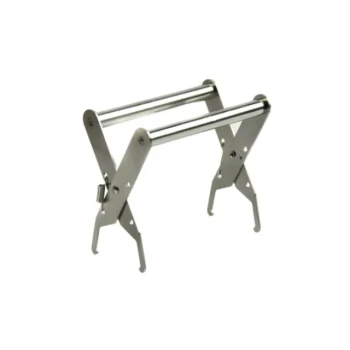
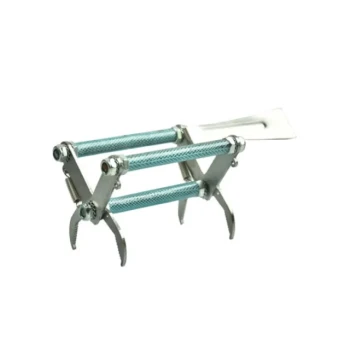
- Heavy-Duty Stainless Steel Clip-On Frame Perch
- Professional Galvanized Steel Frame Rest for Beehives
People Also Ask
- How do wooden and plastic hive frames compare in terms of durability? Wood vs. Plastic Longevity & Repairability
- How does balancing the number of frames impact hive productivity? Optimize Your Apiary's Biological Output
- What are the main considerations when choosing between wooden and plastic bee hive frames? Optimize Your Apiary's Efficiency
- How should beehive frames be maintained to prolong their lifespan? 5 Pro Tips for Durable Beekeeping Equipment
- What are frames and combs used for in beekeeping? The Foundation of Modern Hive Management