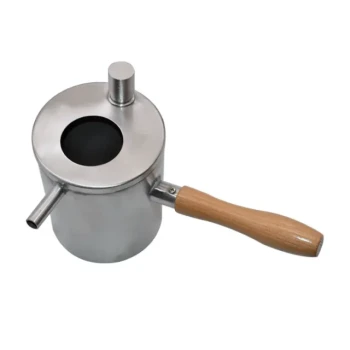
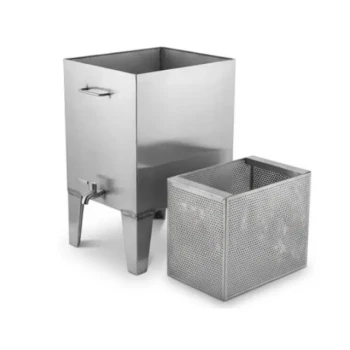
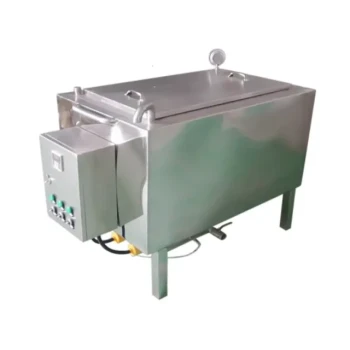
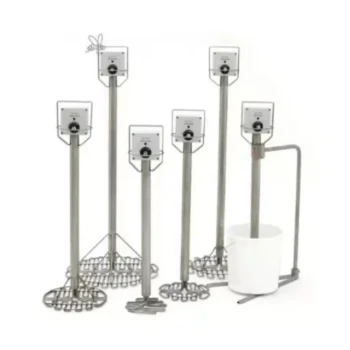
To process beeswax safely and effectively, set your wax melter to a "warm" setting to initiate a slow melt, as high heat can permanently degrade the material. Place the beeswax into the melting pot, ensuring the volume does not exceed the wall height, and allow it to melt for 30 to 90 minutes while constantly monitoring the device.
Core Takeaway Processing beeswax requires a balance of patience and vigilance; rushing the process with high heat risks damaging the wax's structure and darkening its color. A controlled, slow melt in a non-reactive vessel is the only way to separate impurities while preserving the wax's natural aroma and value.
Preparation and Equipment Standards
Choosing the Right Vessel material
The material of your melting pot is critical for preserving the chemical integrity of the wax. You should use stainless steel, enamel, or aluminum pots.
Avoiding Reactive Metals
Never use iron or zinc containers. These metals react chemically with beeswax, causing discoloration and degradation of the material. If you are storing or shipping the wax after processing, stick strictly to stainless steel.
Loading the Melter
When adding wax to the device, ensure you do not exceed the wall height of the melting pot. Overfilling leads to spills which are difficult to clean and can create fire hazards.
The Melting Procedure
Temperature Control
Set the device to a "warm" setting. While it may be tempting to turn the heat up to speed up the process, high temperatures can scorch the wax. A slow, gentle heat preserves the natural color and physical-chemical properties of the beeswax.
Monitoring the Process
The melting duration typically falls between 30 and 90 minutes, depending on the volume and density of the wax. You must never leave the melter unattended. Wax is flammable, and constant supervision ensures you can react quickly if the equipment malfunctions or the wax begins to overheat.
Using Water for Purification
To separate debris from the wax (rendering), many procedures involve adding water to the pot (often twice the volume of the wax). As the mixture melts, the heavy debris settles in the water while the wax floats. Note: Ensure your specific electronic melter is rated for liquid/water use before adding water directly.
Filtration and Finishing
Straining the Impurities
Once the wax is fully melted, it must be filtered to remove non-waxy materials like bee cocoons and mechanical impurities. Pour the hot mixture through a rough sieve or strainer into a secondary bucket or settling tank.
The Cooling Phase
Allow the filtered wax to cool slowly, ideally for 12 hours or more. Rapid cooling can cause cracking. As it cools, the wax will form a hard cake on the surface.
Final Cleaning
Once the cake has hardened, remove it from the vessel. You will likely find a layer of dirty sediment on the bottom of the wax block. Scrape this debris off to reveal the clean wax underneath. This process can be repeated with fresh water to achieve higher purity levels.
Understanding the Trade-offs
Slow vs. Rapid Heating
There is often debate regarding heating speed. While some older methods suggest rapid boiling to maintain color, modern best practices and your primary equipment guidelines emphasize a slow melt. Rapid heating increases the risk of fire and can "burn" the delicate aromatic compounds in the wax.
Impurity Separation vs. Yield
Using filtration systems and settling tanks effectively removes impurities but may slightly reduce the total volume of finished product due to wax clinging to debris. However, this loss is necessary to reach food or cosmetic grade standards.
Making the Right Choice for Your Goal
- If your primary focus is Cosmetic/Food Grade Quality: Prioritize a slow melt and multi-stage filtration to ensure no biological residues or metal contaminants remain.
- If your primary focus is Industrial/Technical Use: You may focus on high-volume processing, but ensure you still scrape the bottom sediment to prevent mechanical issues in downstream applications.
Successful beeswax processing is not about heat intensity, but about heat control.
Summary Table:
| Process Stage | Action | Recommended Practice |
|---|---|---|
| Equipment | Vessel Selection | Use Stainless Steel, Enamel, or Aluminum; avoid Iron/Zinc. |
| Melting | Heat Setting | Use 'Warm' setting for slow melting; avoid high heat. |
| Duration | Time Frame | 30 to 90 minutes; must be monitored constantly. |
| Purification | Debris Removal | Use water settling and filtration through a fine sieve. |
| Cooling | Settlement | Cool slowly for 12+ hours to prevent cracking. |
Maximize Your Wax Processing Efficiency with HONESTBEE
At HONESTBEE, we understand that high-quality beeswax processing is vital for commercial success. As a leading partner for commercial apiaries and distributors, we provide more than just equipment—we provide industrial-grade solutions. Our comprehensive wholesale catalog includes everything from high-capacity wax melters and honey-filling machines to essential consumables and hive-making hardware.
Whether you are scaling up production or outfitting a distribution center, our tools are designed to preserve the natural value of your hive products. Contact us today to discover how our specialized machinery can streamline your operations and enhance your market value.
Related Products
- Professional Stainless Steel Wax Melter for Beekeeping and Crafts
- Steam Beeswax Melter Wax Warmer for Wax Processing
- Beeswax Melter for Candle Making Honey Bee Wax Melter
- Electric Commercial Beeswax Melter for Factory Use
- Solar Beeswax Melter Easy Solar Wax Melter for Beeswax
People Also Ask
- What are the benefits of using a professional wax melter? Achieve Consistent, Scalable, and Safe Production
- What are the two main types of wax melters available? A Guide to Direct vs. Indirect Heat
- What are the types of wax melters available? Choose the Right Heating Method for Your Project
- What is the fundamental operating principle of a wax melter? Master the Thermal Phase Change for Pure Beeswax
- What do you use a wax melter for? From Home Fragrance to Professional Beekeeping