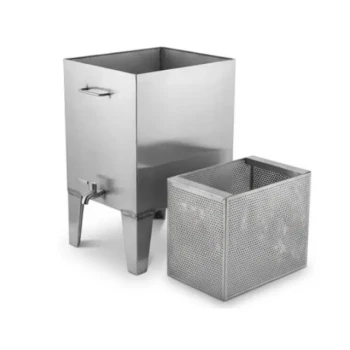
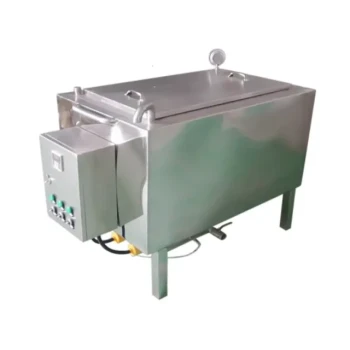
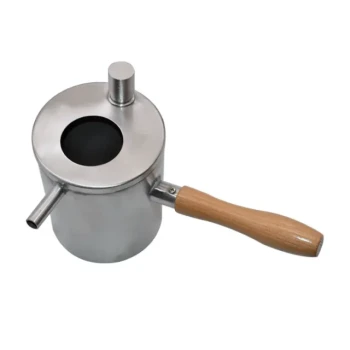
The recommended method for melting beeswax is to utilize a double boiler or a dedicated wax melting pot. This technique ensures that heat is distributed slowly and evenly, protecting the material from the rapid temperature spikes associated with direct heat sources.
Beeswax is highly sensitive to thermal shock; using a water bath limits the temperature to the boiling point of water. This critical buffer prevents the wax from overheating, which leads to permanent discoloration and a dull, unattractive finish.
Why Indirect Heat is Critical
Preventing Structural Damage
Beeswax is an organic material that degrades under high stress. Direct contact with a heat source can cause the wax to scorch locally before the rest has melted.
This overheating triggers oxidation, which fundamentally changes the wax's properties.
Preserving Visual Quality
According to expert consensus, maintaining the wax's natural beauty requires gentle handling.
If the wax is overheated, it will lose its natural luster and become permanently dull. Once this discoloration occurs, it cannot be reversed.
Protecting the Aroma
For high-quality candles, the scent is just as important as the look.
Using professional-grade temperature control or a double boiler preserves the natural aroma of the beeswax, preventing the volatile scent compounds from burning off.
Executing the Double Boiler Method
The Correct Setup
To create a safe double boiler, place a heat-resistant glass jar or metal pouring pitcher inside a larger pot filled with water.
The boiling water surrounds the inner vessel, melting the wax via conduction rather than direct flame exposure.
Managing Temperature Ranges
While wax generally melts between 110°F and 200°F, precision is key for the final pour.
You should aim to pour the beeswax into your molds between 160°F and 165°F. Maintaining this specific window is critical for ensuring the candle sets properly with a smooth finish.
Safety Protocols
Beeswax is flammable, and the melting process involves high temperatures.
Never leave an open flame unattended during the melting process. The double boiler adds a layer of safety, but constant vigilance is required.
Understanding the Trade-offs
Speed vs. Quality
A double boiler is significantly slower than placing a pot directly on a burner.
However, the time saved by using direct heat is almost always negated by the risk of ruining the batch. Patience is a technical requirement for working with beeswax.
Equipment Complexity
Using a simple pot is easier to set up, but it lacks control.
A dedicated wax melting pot or a proper double boiler setup requires more gear, but it provides the physical stability necessary for a professional-grade product.
Making the Right Choice for Your Goal
To achieve the best results based on your specific needs, consider the following:
- If your primary focus is aesthetic quality: Use a double boiler to strictly prevent overheating, ensuring the wax retains its brightness and does not turn dull.
- If your primary focus is consistency: Use a thermometer to ensure you pour exactly between 160°F and 165°F, which guarantees the wax sets correctly every time.
- If your primary focus is safety: Never apply direct flame to the wax vessel; always use a water bath to cap the maximum temperature.
Mastering temperature control is the single most effective way to transition from amateur crafting to producing professional-quality beeswax candles.
Summary Table:
| Feature | Recommended Method (Double Boiler) | Non-Recommended Method (Direct Heat) |
|---|---|---|
| Heat Distribution | Even and slow via water bath | Rapid and uneven (localized hotspots) |
| Max Temperature | Naturally capped by boiling water | Potentially exceeds flash point |
| Wax Integrity | Preserves natural color and aroma | Risks scorching and permanent discoloration |
| Safety Level | High (prevents thermal shock) | Low (increased fire hazard) |
| Target Pour Temp | 160°F - 165°F | Difficult to stabilize |
Elevate Your Beekeeping Business with HONESTBEE
Producing professional-grade beeswax products requires the right tools and expertise. At HONESTBEE, we specialize in supporting commercial apiaries and distributors with a comprehensive range of high-quality solutions. Whether you need precision honey-filling machines, specialized hive-making hardware, or a steady supply of essential industry consumables, we have the wholesale portfolio to fuel your growth.
Ready to scale your production and deliver superior quality to your customers? Contact us today to explore our full spectrum of beekeeping machinery and equipment. Let us help you turn your beeswax into premium, market-ready merchandise.
Related Products
- Solar Beeswax Melter Easy Solar Wax Melter for Beeswax
- Steam Beeswax Melter Wax Warmer for Wax Processing
- Beeswax Melter for Candle Making Honey Bee Wax Melter
- Electric Commercial Beeswax Melter for Factory Use
- Professional Electric Honey Uncapping Knife with Heated Digital Temperature Control for Beekeeping
People Also Ask
- How does a solar melter work to process beeswax? The Eco-Friendly Way to Pure Wax
- What is a solar wax melter and how does it work? Harness the Sun for Pure Beeswax
- What are the benefits of using a solar wax melter? Harness the Sun for Pure, Cost-Effective Beeswax
- What is the purpose of a solar wax melter in beekeeping? Sustainable Wax Processing for Modern Apiaries
- How does a solar-powered frame wax melter work? Harness the Sun for Sustainable Beekeeping