For man-made beehives located in cooler climates, the recommended wall thickness is approximately 25mm (1 inch) to ensure adequate insulation. While this serves as a standard for construction, it is significantly thinner than the 30mm to 125mm (1.25 to 5 inches) of wood protection honeybees typically utilize when nesting in natural tree cavities.
Core Takeaway: A wall thickness of 25mm provides the necessary baseline for thermal retention, but it is often the minimum requirement rather than the ideal. To truly maximize winter survival rates, this structural thickness must often be paired with high-quality timber or supplemental insulation materials to minimize the colony's energy consumption.
The Gap Between Nature and Construction
Natural Standards vs. Man-Made Hives
In the wild, honeybees instinctively seek out nesting sites in trees that offer substantial protection. These natural cavities are often surrounded by 30mm to 125mm of wood, providing a massive thermal buffer against temperature fluctuations.
The 25mm Industry Standard
For practical beekeeping, a wall thickness of 25mm (1 inch) is the accepted recommendation. This thickness provides a baseline level of insulation that allows colonies to survive in cool regions without making the hive excessively heavy or expensive to manufacture.
The Physics of Colony Survival
Reducing Energy Consumption
The primary goal of thick walls is to maintain a stable internal microclimate. Effective insulation minimizes heat loss, which directly reduces the amount of honey stores the colony must consume to generate warmth.
Preservation of Heat
When insulation is inadequate, bees must expend significantly more energy to maintain their cluster temperature. High-quality timber walls act as the first line of defense in preserving this critical warmth during non-foraging periods.
Understanding the Trade-offs
The Horizontal Hive Vulnerability
Not all hive designs retain heat equally. Horizontal hives are physically more prone to losing warm air compared to vertical designs. Consequently, adhering to—or exceeding—the 25mm thickness recommendation is even more critical for these specific hive types to prevent rapid cooling.
The Limits of Wood Alone
While 25mm of wood is the structural recommendation, it may not be sufficient on its own during extreme winters. Standard hives are often designed to work in conjunction with specialized insulation materials, such as foam boards or straw mats, to fully effectively minimize heat loss. Relying solely on the timber wall without assessing the severity of your local climate can lead to higher colony mortality.
Making the Right Choice for Your Goal
To ensure your colony has the best chance of survival, apply these guidelines based on your specific context:
- If your primary focus is standard hive construction: Ensure your timber planed thickness does not fall below 25mm (1 inch) to provide the minimum baseline protection.
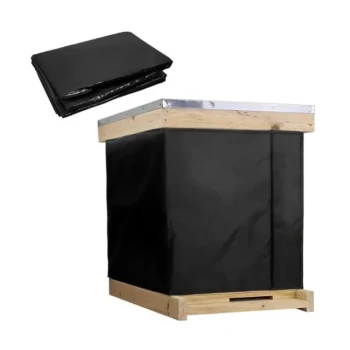
- If your primary focus is wintering in extreme cold: Treat the 25mm wood wall as a foundation and augment it with foam boards or custom covers to reduce honey consumption.
- If your primary focus is using Horizontal Hives: Prioritize high-quality, thick timber, as the physical design of your hive is naturally more susceptible to heat loss.
Adequate insulation is not just about comfort; it is a calculation of energy conservation that directly dictates colony survival.
Summary Table:
| Feature | Natural Tree Cavities | Standard Commercial Hives | Critical Goal |
|---|---|---|---|
| Wall Thickness | 30mm - 125mm | ~25mm (1 inch) | Baseline Thermal Retention |
| Insulation Level | High (Thermal Buffer) | Moderate (Standard) | Energy Conservation |
| Energy Demand | Lower Honey Consumption | Higher Energy Needs | Stable Internal Microclimate |
| Best Application | Wild Honeybee Habitats | Professional & Hobbyist Apiaries | Minimizing Colony Mortality |
Maximize Your Apiary Productivity with HONESTBEE
At HONESTBEE, we understand that the right equipment is the foundation of a thriving colony. As a leading partner for commercial apiaries and global distributors, we provide a comprehensive wholesale catalog including hive-making machinery, honey-filling equipment, and high-quality beekeeping tools designed to meet industry standards.
Whether you are scaling up production or sourcing essential consumables, our portfolio offers the durability and precision your business needs to succeed.
Ready to elevate your beekeeping operations? Contact us today to explore our wholesale solutions and see how HONESTBEE can deliver value to your supply chain.
Related Products
- Stainless Steel Bee Hive Frame Wire for Beekeeping
- Wholesales Dadant Size Wooden Bee Hives for Beekeeping
- Inner Beehive Cover for Beekeeping Bee Hive Inner Cover
- Professional Insulated Plastic Bee Hives
- Langstroth Solid Bottom Board for Beekeeping
People Also Ask
- What are the arguments for and against wiring beehive frames? Balance Durability and Management Flexibility
- What are the drawbacks of wiring beehive frames? Key Limitations and Structural Trade-offs Revealed
- How is the wire secured at the top of the frame? A Guide to Locking in Tension for Strong Honeycomb
- What factors determine the amount of wiring needed in beehive frames? Tailor Your Strategy for Your Climate
- What tools are needed to wire a beehive frame? Essential Equipment for Durable Frame Construction