The primary risk of installing a queen excluder too early is the death of the queen due to cold exposure. If the excluder is placed while nighttime temperatures are still low, the queen becomes physically trapped in the bottom box. Because heat rises, the worker bees will naturally migrate upward to the warmer honey supers to conserve energy, leaving the queen isolated below the metal or plastic barrier where she can freeze.
Core Insight: The survival of your queen relies on the colony's ability to cluster together for warmth. You must wait until nighttime temperatures consistently remain above 50°F before installing an excluder to prevent the colony from abandoning the queen during a cold snap.
The Thermodynamics of the Hive
To understand why early installation is fatal, you must look at how a bee colony manages thermal energy.
Heat Migration
In a hive, heat naturally rises. During cold spring nights, the colony survives by forming a tight cluster to generate and conserve warmth.
The Vertical Shift
As the temperature drops, this cluster instinctively moves upward into the honey supers where the thermal mass is higher.
The Lethal Barrier
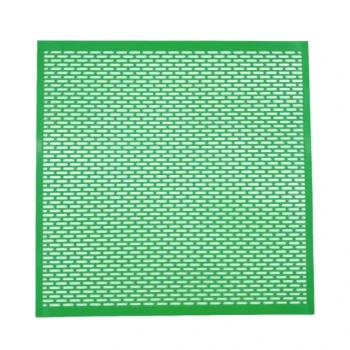
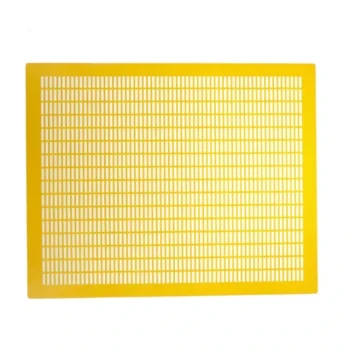
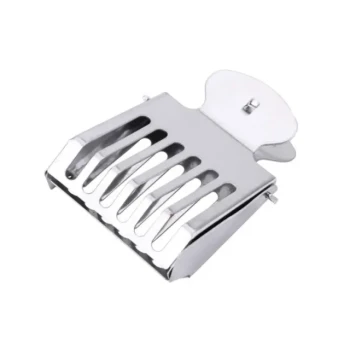
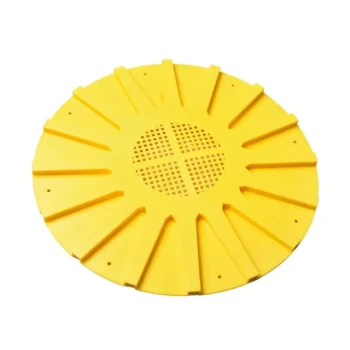
A queen excluder is a physical filter: worker bees fit through the mesh, but the larger queen does not. If the cluster moves above the excluder to stay warm, the queen is physically prevented from following them. Separated from the heat source of the colony, she will perish.
Secondary Risks of Early Restriction
While queen mortality is the most acute risk, installing an excluder before the colony is ready can trigger other management issues.
The Honeybound Brood Nest
If an excluder is added before the nectar flow creates strong upward momentum, bees may be reluctant to pass through the barrier. Instead of storing nectar in the supers, they will backfill cells in the brood chamber with honey.
Reduced Laying Space
When the brood chamber becomes "honeybound," the queen runs out of empty cells to lay eggs. This creates a bottleneck in colony population growth right when the hive needs to build up its workforce for the season.
Understanding the Trade-offs
Using a queen excluder is a decision that balances honey purity against colony dynamics. You must be aware of the inherent downsides even when timing is correct.
Disruption of Natural Movement
Wild nests do not have vertical barriers. Forcing bees through a mesh alters their natural labor dynamics and flow within the hive.
Potential for Physical Injury
The mesh openings are designed to be a tight fit. As worker bees squeeze through, they can suffer wing damage. This is particularly common if the excluder is not precision-crafted with smooth edges.
Drone Entrapment
Drones (male bees) are larger than workers and cannot pass through the excluder. If an excluder is placed incorrectly or without an upper entrance/exit, drones can become trapped and die, creating sanitation issues within the hive.
Making the Right Choice for Your Goal
The decision to install an excluder depends on balancing the safety of the queen with the management of your honey harvest.
- If your primary focus is colony survival: Delay installation until spring nights are consistently warm (50°F+) to ensure the cluster never separates from the queen.
- If your primary focus is honey management: Install the excluder only after the brood nest is established, ensuring the device lies flat to prevent gaps that would render it useless.
Success ultimately comes down to ignoring the calendar and watching the thermometer.
Summary Table:
| Risk Factor | Impact on Hive | Prevention Strategy |
|---|---|---|
| Cold Exposure | Queen may freeze if workers migrate upward for heat. | Wait until nighttime temps are consistently 50°F+. |
| Honeybound Nest | Nectar is stored in brood cells, restricting queen's space. | Only install when nectar flow is strong and steady. |
| Population Bottleneck | Reduced brood rearing slows spring workforce buildup. | Ensure brood nest is fully established before restricting. |
| Drone Entrapment | Drones die below the screen, causing sanitation issues. | Provide an upper entrance for drones to exit. |
Maximize Your Colony's Productivity with HONESTBEE
Timing is critical in beekeeping, but so is having the right equipment. At HONESTBEE, we specialize in supporting commercial apiaries and distributors with high-quality, precision-crafted beekeeping tools. Our queen excluders are designed with smooth edges to minimize worker wing damage and ensure hive efficiency.
From hive-making and honey-filling machinery to essential consumables and honey-themed merchandise, we provide the full spectrum of wholesale solutions to grow your business.
Ready to scale your apiary operations? Contact HONESTBEE Today to explore our comprehensive wholesale catalog and discover how our expertise can benefit your commercial success.
Related Products
- High Performance Plastic Queen Excluder for Beekeeping and Apiary Management
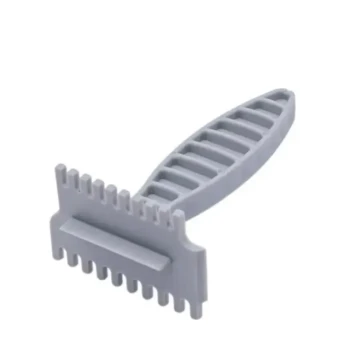
- Lightweight Durable Plastic Queen Excluder Scraper for Beekeeping
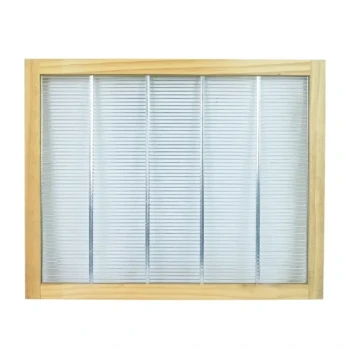
- Premium Wood Framed Metal Wire Queen Bee Excluder
- Professional Plastic Queen Excluder for Modern Beekeeping
- Metal Queen Bee Excluder for Beekeeping
People Also Ask
- What are the characteristics of a plastic queen excluder? Key Benefits for Cost-Effective Beekeeping
- What are the operational and cost advantages of using plastic queen excluders over metal or wire excluders in commercial hive management? Discover how they reduce labor, prevent wing damage, and lower total costs.
- What types of queen excluders are available for beekeepers? Choose the Right Tool for Your Hive
- Why are standardized hive frames and queen excluders essential for maintaining honey purity and quality? Scale Your Purity
- Do plastic queen excluders work? A Cost-Effective Solution for Modern Apiaries