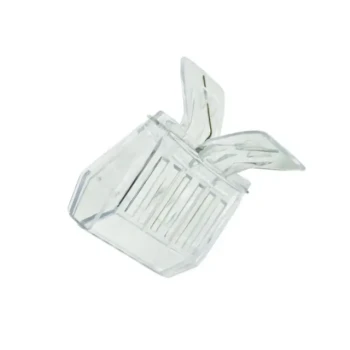
A queen excluder serves as a critical isolation mechanism in honeybee research, functioning as a precision tool to control the internal structure of the hive. By vertically dividing the colony and restricting the queen to specific frames, researchers force concentrated egg-laying within a designated window of time and space.
By restricting the queen’s movement, researchers ensure the production of larvae that are the exact same age. This standardization is vital for creating consistent biological samples, which are required to minimize variables in chemical exposure experiments.
Mechanisms of Experimental Control
Synchronizing Larval Development
The primary value of the queen excluder in a research setting is temporal synchronization. In a natural hive, a queen lays eggs sporadically across various frames.
By confining her to a specific zone, researchers ensure all eggs in that section are laid within a known timeframe. This yields larvae of an identical age, which is essential for establishing a baseline in biological studies.
Concentrating Sample Collection
Efficiency is paramount when gathering biological data. The excluder forces the queen to concentrate her egg-laying activity on a specific set of hive frames.
This prevents the brood from being scattered throughout the colony. Researchers can then retrieve high densities of samples from a single area without searching the entire hive.
Ensuring Data Integrity
Standardization for Toxicology
Chemical exposure experiments rely on the uniformity of the test subjects. Larvae of different ages may react differently to chemical stressors, skewing results.
Using an excluder creates a standardized biological sample. This uniformity eliminates age-related variables, ensuring that observed effects are due to the chemical exposure, not developmental differences.
Pest and Parasite Monitoring
The excluder also aids in studying hive pests, such as Varroa mites. Since mites reproduce within the brood cells, confining the brood to a specific chamber also confines the mite population.
This allows researchers to monitor mite reproduction rates in a controlled area. It simplifies the data collection process and prevents the variables associated with mites spreading to honey storage areas.
Understanding the Constraints
Physical Interaction Limitations
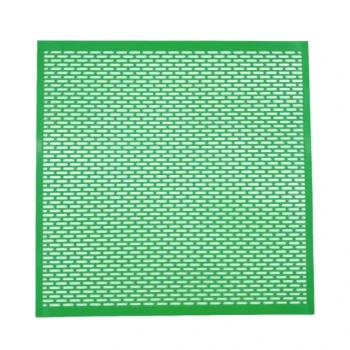
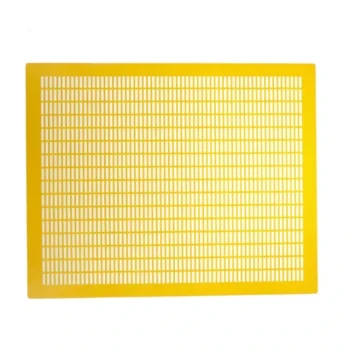
While excluders provide control, they physically alter the natural behavior of the colony. The precise grid dimensions allow workers to pass but stop the larger queen.
However, this barrier can sometimes impede the flow of resources or worker traffic. Researchers must account for these slight behavioral changes when interpreting colony health data.
Preventing Cross-Contamination
A secondary role of the excluder is preventing the queen from entering honey supers. If the queen lays eggs in honey storage areas, it ruins the comb for honey extraction and sample purity.
The excluder acts as a barrier to ensure that brood development and food storage remain strictly separated. This separation prevents experimental errors caused by mixing biological matter with nutritional stores.
Optimizing Experimental Design
To effectively utilize a queen excluder in your research, align its function with your specific data requirements:
- If your primary focus is Chemical Exposure: Use the excluder to force synchronized egg-laying, ensuring all larvae harvested are of the exact same age for consistent toxicological results.
- If your primary focus is Pest Dynamics: Rely on the excluder to isolate brood chambers, keeping mite reproduction confined to a specific monitoring zone.
By mechanically structuring the hive's biology, you transform a variable living system into a reliable source of scientific data.
Summary Table:
| Feature | Research Application | Experimental Benefit |
|---|---|---|
| Temporal Synchronization | Confines egg-laying to specific timeframes | Ensures larvae are the exact same age for testing |
| Spatial Concentration | Groups brood in a designated chamber | Increases efficiency of sample collection |
| Biological Standardization | Eliminates age-related variables | Crucial for accurate chemical & toxicological data |
| Pest Isolation | Limits Varroa mite reproduction to brood zones | Simplifies monitoring and data integrity |
| Physical Separation | Prevents queen from entering honey supers | Maintains purity of honey and nutritional stores |
Elevate Your Beekeeping Operations with HONESTBEE
Precision is the key to success in both scientific research and commercial honey production. At HONESTBEE, we specialize in supporting commercial apiaries and distributors with high-performance beekeeping tools and advanced machinery.
Whether you need precision-engineered queen excluders for experimental control, industrial honey-filling machines, or specialized hive-making equipment, our comprehensive wholesale portfolio is designed to maximize your efficiency. Partner with us to access professional-grade hardware and essential consumables tailored to the needs of large-scale beekeeping.
Ready to scale your production? Contact us today to discuss how our solutions can benefit your business!
References
- Chong-Yu Ko, Yu‐Shin Nai. Evaluating the Effect of Environmental Chemicals on Honey Bee Development from the Individual to Colony Level. DOI: 10.3791/55296
This article is also based on technical information from HonestBee Knowledge Base .
Related Products
- High Performance Plastic Queen Excluder for Beekeeping and Apiary Management
- Lightweight Durable Plastic Queen Excluder Scraper for Beekeeping
- Premium Wood Framed Metal Wire Queen Bee Excluder
- Professional Plastic Queen Excluder for Modern Beekeeping
- Metal Queen Bee Excluder for Beekeeping
People Also Ask
- What are the characteristics of a plastic queen excluder? Key Benefits for Cost-Effective Beekeeping
- What are the operational and cost advantages of using plastic queen excluders over metal or wire excluders in commercial hive management? Discover how they reduce labor, prevent wing damage, and lower total costs.
- What types of queen excluders are available for beekeepers? Choose the Right Tool for Your Hive
- Why are standardized hive frames and queen excluders essential for maintaining honey purity and quality? Scale Your Purity
- Do plastic queen excluders work? A Cost-Effective Solution for Modern Apiaries