Fully drawn-out combs act as the essential structural foundation for converting raw pollen into usable nutrition for the hive. In the manual filling process, these combs serve a dual purpose: they function as a physical mold that allows technicians to tightly compact pollen powder, and they create the necessary biological vessel for worker bees to ferment the mixture into digestible beebread.
The comb is not merely a container; it is a bioreactor. By simulating the hive's natural architecture, fully drawn-out combs enable the critical fermentation process where worker bees add secretions to raw pollen, transforming it into nutrient-rich beebread.
The Mechanics of Manual Filling
Simulating Natural Architecture
The primary function of the fully drawn-out comb is to replicate the natural storage environment of the hive.
Technicians rely on the depth and rigidity of existing hexagonal cells to hold the pollen. Without the fully formed walls of a drawn-out comb, there is no structure to retain the powder during the filling process.
Facilitating Physical Compaction
To store adequate food reserves, pollen powder must be dense.
The drawn-out cells provide a sturdy framework that allows for manual packing. This structure enables technicians to press and compact the pollen powder effectively, maximizing the amount of food stored in each frame without damaging the comb's integrity.
The Biological Transformation
Creating a Microenvironment
Beyond simple storage, the comb provides a specific microenvironment essential for hive health.
Once the pollen is packed into the cells, the drawn-out comb isolates small batches of the mixture. This isolation allows worker bees to interact with the pollen effectively, adding their own secretions to the manually packed cells.
Converting Pollen to Beebread
The ultimate goal of using drawn-out combs is to facilitate the production of beebread.
The cellular structure supports the fermentation process, driven by bee secretions. This fermentation breaks down the raw pollen, significantly improving the bioavailability of nutrients and making them easily absorbable for the colony.
Understanding the Constraints
The Necessity of Fully Drawn Combs
You cannot effectively perform manual pollen filling with foundation sheets or partially drawn frames.
The process relies entirely on the depth of the cell to hold the loose powder before compaction. Attempting this process with undrawn frames will result in significant material waste and an inability to achieve the density required for proper fermentation.
Dependence on Bee Interaction
While the manual packing is done by humans, the process is incomplete without the bees.
The comb allows for packing, but it does not synthesize beebread on its own. The system relies on the subsequent activity of worker bees to process the packed pollen; without this biological step, the pollen remains raw and less nutritious.
Optimizing Your Pollen Supplementation
To ensure the success of your artificial feeding program, match your equipment to your biological goals:
- If your primary focus is maximum nutrient absorption: Ensure your combs are fully drawn and free of damage to facilitate the fermentation into beebread.
- If your primary focus is efficient workflow: Use combs with consistent cell depth to allow for uniform compaction of the pollen powder.
Ultimately, the drawn-out comb serves as the bridge between raw pollen collection and the biological health of the colony.
Summary Table:
| Feature of Drawn-out Combs | Role in Manual Pollen Filling | Impact on Hive Health |
|---|---|---|
| Structural Foundation | Provides deep hexagonal cells to retain loose pollen powder. | Enables efficient food storage and prevents material waste. |
| Physical Compaction | Rigid cell walls allow for high-density manual packing. | Maximizes the volume of food reserves per frame. |
| Bioreactor Environment | Isolates pollen batches for bee secretion interaction. | Facilitates fermentation for superior nutrient bioavailability. |
| Natural Architecture | Replicates the hive's environment for worker bee acceptance. | Ensures successful conversion from raw pollen to digestible beebread. |
Maximize Your Apiary’s Potential with HONESTBEE
Efficient pollen supplementation is the backbone of a thriving commercial apiary. At HONESTBEE, we understand the technical demands of large-scale beekeeping. We empower commercial apiaries and distributors with high-performance hive-making machinery, specialized honey-filling equipment, and a full spectrum of durable beekeeping tools designed to handle rigorous processes like manual pollen filling.
Whether you need to scale your colony nutrition program or optimize your wholesale inventory with premium consumables and hardware, our team is ready to deliver customized solutions that drive productivity and hive health.
Ready to elevate your beekeeping operation? Contact HONESTBEE Today to explore our comprehensive wholesale offerings and specialized machinery.
References
- Nuru Adgaba, Yehya Alattal. Brood-Rearing Enhancing Potential of Manually Packed Pollen Feeding in Comparison with Pollen and Pollen Supplements in Patty Forms. DOI: 10.2478/jas-2020-0023
This article is also based on technical information from HonestBee Knowledge Base .
Related Products
- Plastic Bee Pollen Trap Strips Comb Catcher Collector
- Automatic Honey Filling and Filtering Machine for Beekeeping Bottle Filling
- Heavy Duty Manual Bee Smoker Blower for Beekeeping
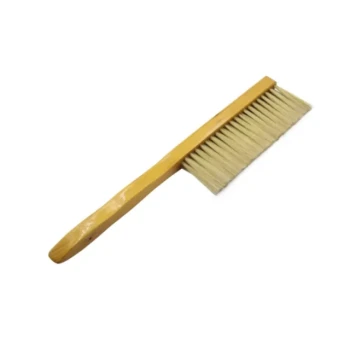
- Wooden Bee Brush with Triple Row Artificial Fiber for Beekeeping
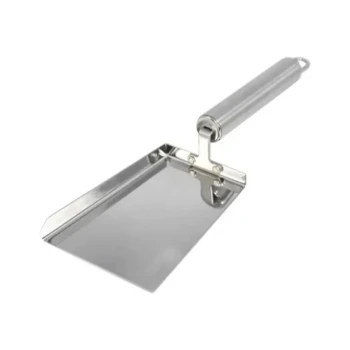
- Heavy-Duty Ergonomic Stainless Steel Pollen Shovel
People Also Ask
- For what reasons do beekeepers collect bee pollen? Boost Hive Health and Unlock New Revenue Streams
- What are the design principles and advantages of pollen traps in the collection of bee pollen? Boost Your Apiary Yield
- What are the ideal weather conditions for installing a bee pollen trap? Ensure Colony Safety with Expert Timing
- Why is frequent harvesting of bee pollen from traps necessary for quality control? Ensure Freshness and Prevent Mold.
- How often should bee pollen be harvested from a trap and why? Master Freshness and Prevent Spoilage