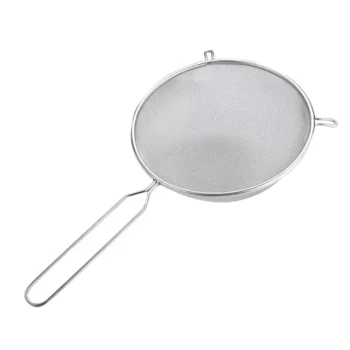
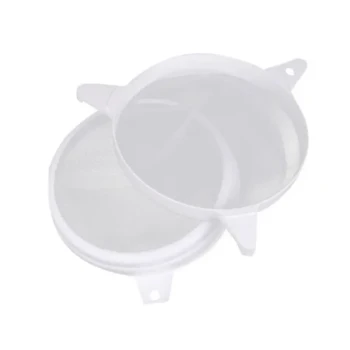
High-precision filtering equipment and filter cloths serve as critical physical barriers in the processing of honey. Beyond simply improving appearance, these tools systematically remove hive debris, larval remains, and particulate impurities to significantly reduce the initial microbial load and ensure the physicochemical stability required for medical and commercial applications.
Core Insight: Standardized filtration acts as a quality gatekeeper, balancing the removal of contaminants that trigger fermentation with the preservation of the honey's essential bioactive components and nutritional value.
Critical Improvements to Biological Safety
Reducing Microbial Load
Honey is susceptible to contamination by environmental microorganisms during traditional extraction. High-precision filtering equipment mitigates this risk by mechanically removing the particulate matter where microbes often reside. This reduction in the initial microbial load is a prerequisite for ensuring biological safety.
Preventing Fermentation
Residual organic matter, such as wax debris or bee fragments, can act as a catalyst for spoilage. By effectively removing these suspended impurities, specialized filter cloths significantly reduce the risk of secondary fermentation. This ensures the honey remains stable and hygienic during storage.
Enhancing Physical Quality and Marketability
Improving Clarity and Viscosity
Professional filtration systems, including stainless steel mesh screens, are designed to enhance the honey's visual appeal. They remove air bubbles and suspended solids to improve transparency and clarity. This process also helps standardize the viscosity of the final product.
Building Consumer Trust
Consistency is key to distinguishing premium products from lower-quality industrial honey. Automated and standardized filtration ensures uniform purity and color across different batches. This visual consistency is essential for meeting international standards and securing consumer confidence in high-end markets.
Preserving Bioactive Integrity
Retaining Active Components
The goal of filtration is not sterilization, but purification. High-quality equipment is calibrated to remove physical impurities while preserving natural active components. This ensures the honey retains its inherent nutritional properties and meets biochemical markers, such as proline levels, which indicate maturity and authenticity.
Safeguarding Against Adulteration
Proper mechanical separation helps verify that the honey has been harvested at optimal maturity. By processing honey without thermally degrading it or stripping it of essential markers, the equipment acts as a safeguard against adulteration. This preserves the product's identity as a raw, natural food source.
Understanding the Trade-offs
Balancing Purity and Nutrition
A common pitfall in honey processing is over-filtration, which can strip the honey of beneficial pollen and enzymes. While high-precision equipment effectively removes debris, operators must ensure the mesh size is appropriate for the intended use. Removing too much particulate matter can turn a premium natural product into a generic sweetener void of nutritional value.
Processing Efficiency vs. Product Loss
While automated filtration improves hygiene and speed, it requires precise calibration to minimize product loss. Improperly set equipment may discard usable honey along with the debris. High-precision systems are designed to maximize yield, but they require careful monitoring to maintain the balance between throughput and waste reduction.
Making the Right Choice for Your Goal
Selecting the correct filtration level depends entirely on the final application of the honey product.
- If your primary focus is Medical Grade Honey: Prioritize maximum microbial reduction and particulate removal to ensure sterility and biological safety, even if it requires finer filtration levels.
- If your primary focus is Premium Commercial Honey: Focus on retention of bioactive components; use filtration that clarifies the honey for shelf appeal without stripping the pollen and enzymes that define its quality.
High-precision filtration is the defining step that transforms raw hive output into a stable, safe, and commercially viable product without compromising its natural integrity.
Summary Table:
| Feature | Medical-Grade Honey Processing | Premium Commercial Honey Processing |
|---|---|---|
| Primary Goal | Maximum microbial reduction & sterility | Visual clarity & bioactive retention |
| Impurity Removal | Complete removal of all particulates | Targeted removal of wax and debris |
| Key Benefit | Biological safety for healthcare use | Enhanced shelf appeal & consumer trust |
| Preservation | Strict control of physicochemical stability | High retention of pollen and enzymes |
| Equipment Focus | Ultra-fine filtration systems | Precision mesh for nutrient balance |
Elevate Your Honey Production with HONESTBEE
At HONESTBEE, we specialize in empowering commercial apiaries and distributors with professional-grade solutions. Whether you are scaling production for medical applications or entering the high-end commercial market, we provide the full spectrum of beekeeping tools, machinery, and filtration equipment needed to ensure your honey meets international standards.
From honey-filling machines to specialized filter cloths and hive-making hardware, our comprehensive wholesale offering is designed to maximize your yield while preserving the natural integrity of your product.
Ready to optimize your processing efficiency?
Contact our experts today to discuss your equipment needs and discover how our industry-leading tools can grow your beekeeping business.
References
- Hening Tjaturina Pramesti, Putra Qadri Fath. Contaminant bacteria in traditional-packed honey. DOI: 10.24198/pjd.vol19no1.14172
This article is also based on technical information from HonestBee Knowledge Base .
Related Products
- Commercial Rotary Honey Filling Machine for Production
- Electric Double Wall Honey Filtering Machine Purifier Equipment for Honey Processing Plant
- Professional Stainless Steel Honey Filtering Machine with Water Bath Heating for Beekeeping
- Professional Stainless Steel Honey Filter with Support Handle
- 0.5T Capacity Honey Dehumidifier Dryer with Vacuum Heating and Thickening Filtering Machine
People Also Ask
- What role do commercial honey filling machines play in honey distribution? Scaling Efficiency and Quality Control
- What technical support do commercial-grade filling machines provide? Convert Honey NTFPs into Marketable Commodities
- What is the significance of specialized honey filling equipment? Scaling from Beekeeping to Commercial Success
- Why is professional honey filling machinery critical for honey production? Scale Your Apiary's Profit & Efficiency
- Why is high-capacity honey filling machinery necessary for Giant Honey Bees? Solve the Apis dorsata Volume Crisis