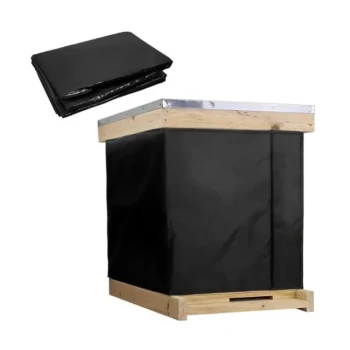
Hive design and insulation act as the primary defense against winter mortality by minimizing heat loss and stabilizing internal colony temperatures. This physical protection directly reduces the metabolic energy bees must expend on thermoregulation, preserving vital honey stores and preventing cold stress.
Proper winterization is a balance of thermal conservation and moisture management; the goal is to retain heat to lower metabolic costs while ensuring humidity does not condense and freeze the colony.
The Physiology of Winter Survival
Reducing Metabolic Cost
The core function of insulation is energy conservation. When a hive loses heat rapidly, bees must consume more honey to generate the metabolic heat required to keep the cluster alive.
Effective insulation creates a thermal barrier that slows this heat loss. This allows the colony to maintain a stable internal temperature with significantly less effort and fuel consumption.
Enhancing Brood Rearing
Energy conservation has a direct impact on colony growth. When bees spend less energy fighting the cold, they can allocate more resources toward brood rearing and foraging.
Studies indicate that well-insulated colonies often exhibit increased capped brood areas and higher honey yields compared to uninsulated hives.
Moisture: The Silent Threat
Preventing Condensation Drip
While retaining heat is essential, preventing moisture accumulation is critical. Warm air from the cluster rises and, if it hits a cold, uninsulated cover, condenses into water.
If this condensation drips back onto the bees, it can freeze or cause fatal chilling, which is often more dangerous than the cold air itself.
The Role of Insulated Covers
Specialized covers, such as those made of double-layered cotton and canvas, help trap heat while protecting the hive from wind and moisture ingress.
These materials contribute to a stable internal microclimate, reducing the risk of the "wet and cold" conditions that destroy colonies.
Material Selection and Site Configuration
Foam and Thermal Conductivity
Modern hive components often utilize foam insulation due to its low thermal conductivity. This material creates a highly effective barrier against extreme cold.
By maintaining higher internal temperatures, foam helps minimize the colony's reliance on honey stores for pure survival heating.
Strategic Site Selection
Insulation must be paired with scientific site selection. Placing hives in areas prone to floods, storms, or extreme wind tunnels undermines the effectiveness of the hive hardware.
Proper facility placement acts as a physical barrier, isolating the honey bee cluster from environmental hazards that disrupt thermal balance.
Understanding the Trade-offs
Consequences of Inadequate Insulation
Neglecting insulation leads to a cascade of negative outcomes. The primary issue is decreased honey stores, as the colony burns through reserves rapidly to stay warm.
Furthermore, bees in poorly insulated hives experience increased stress and mortality. They are often forced to divert energy into gathering propolis to seal cracks, distracting them from essential foraging and brood care.
The Limitation of Hardware Alone
High-reliability hardware cannot compensate for poor location. Even the best-insulated hive can fail if subjected to direct heavy winds or flooding.
Therefore, insulation should be viewed as one component of a broader disaster-prevention strategy, rather than a standalone solution.
Making the Right Choice for Your Goal
To maximize winter survival, align your hive strategy with your specific environmental risks.
- If your primary focus is preventing colony starvation: Prioritize high-R-value materials like foam to minimize heat loss and reduce honey consumption.
- If your primary focus is preventing moisture-related death: Utilize double-layered covers and ensure ventilation pathways are sufficient to stop condensation from dripping on the cluster.
- If your primary focus is structural security: Combine insulation with rigorous site selection to protect assets from storms and environmental hazards.
Success in overwintering comes from stabilizing the internal environment so the bees can focus on survival rather than emergency repair.
Summary Table:
| Key Factor | Function | Benefit to Colony |
|---|---|---|
| Thermal Insulation | Minimizes heat loss and stabilizes internal temperature | Reduces honey consumption and preserves metabolic energy |
| Moisture Management | Prevents condensation from dripping on the cluster | Eliminates fatal chilling and keeps bees dry and healthy |
| Foam Materials | High R-value barrier against extreme cold | Decreases reliance on honey stores for survival heating |
| Insulated Covers | Traps rising heat while blocking wind/moisture | Creates a stable microclimate for better brood rearing |
| Site Selection | Protects hardware from wind tunnels and floods | Enhances the effectiveness of hive insulation and durability |
Secure Your Apiary's Future with HONESTBEE
Don't let winter losses undermine your commercial success. HONESTBEE provides professional-grade hive solutions designed to maximize survival rates for commercial apiaries and distributors. From high-efficiency insulation hardware and automated hive-making machines to our specialized double-layered cotton covers, we offer the full spectrum of equipment needed to protect your colonies and boost productivity.
Whether you are scaling your operations or stocking premium tools for resale, our comprehensive wholesale offering ensures you have the competitive edge in beekeeping technology.
Ready to optimize your winterization strategy? Contact our expert team today to discuss your wholesale needs!
Related Products
- Professional Insulated Winter Hive Wrap for Beekeeping
- Professional Insulated Plastic Bee Hives
- Inner Beehive Cover for Beekeeping Bee Hive Inner Cover
- Stainless Steel Round Beehive Air Vents for Ventilation
- Durable Plastic Interlocking Hive Connector for Beekeeping
People Also Ask
- What are the steps to properly wrap a beehive for winter? Ensure Your Colony Survives the Cold
- When is the best time to wrap a beehive for winter? A Guide to Perfect Winterization Timing
- How do professional insulation wraps provide protection for bee colonies? Optimize Winter Survival & Energy Efficiency
- What are the technical benefits of using winter wraps for beehive insulation? Boost Colony Survival & Hive Health
- What are the benefits of using insulated covers for hives? Ensure Colony Survival and Health