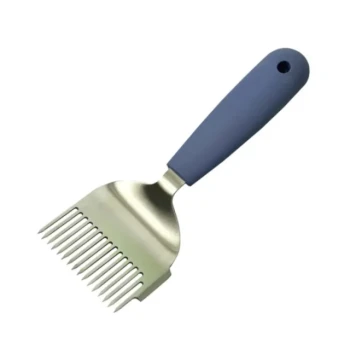
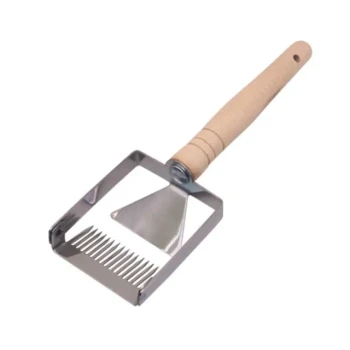
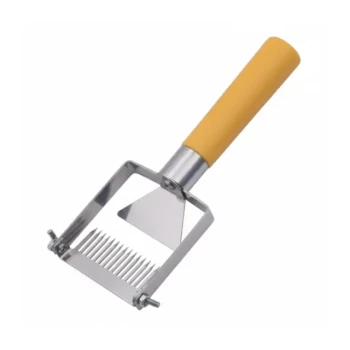
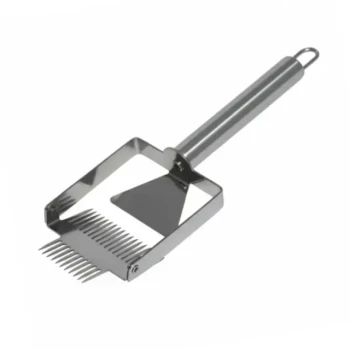
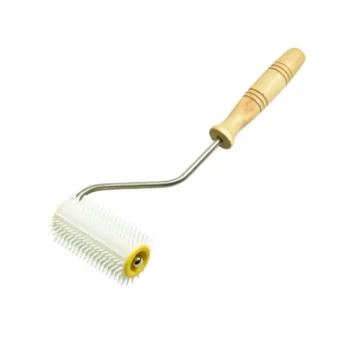
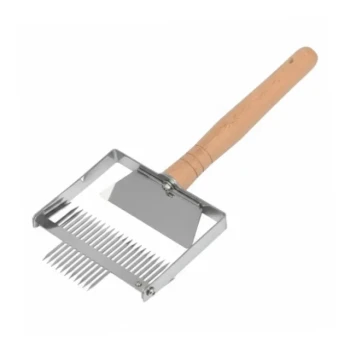
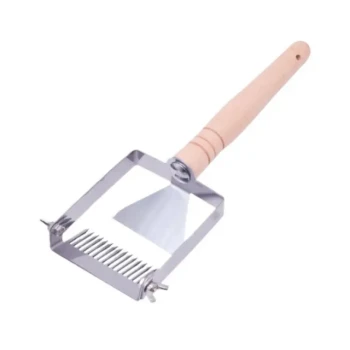
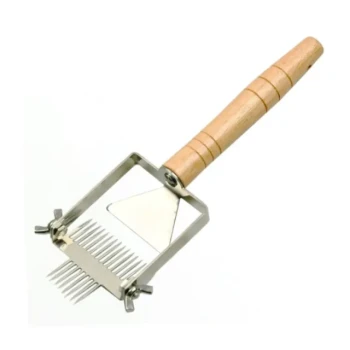
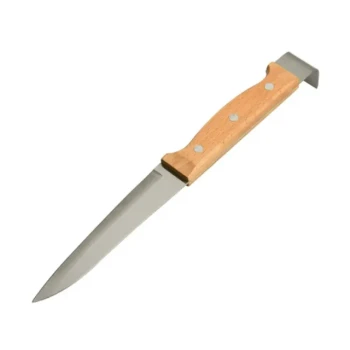
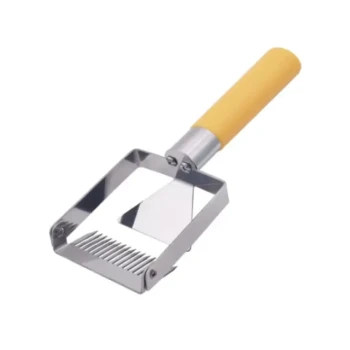
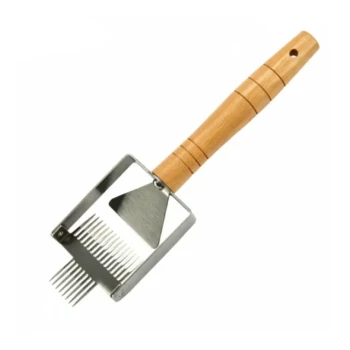
Precision surgical forceps and specialized uncapping tools serve a critical diagnostic function in honeybee research and resistance screening. They are utilized to manually open and inspect large volumes of capped brood cells—specifically drone pupae—to reveal the presence of Varroa mites. By enabling high-precision access, these tools allow researchers to expose parasites and their offspring without physically damaging the developing bee pupa.
The primary value of these tools lies in their ability to yield high-fidelity biological data. By preserving the physical integrity of the host pupa during inspection, they allow for an accurate calculation of infestation percentages and a clear assessment of the mite’s reproductive success.
The Mechanics of Manual Inspection
Achieving Non-Destructive Access
The fundamental challenge in screening is gaining visibility without destroying the evidence. Precision tools are designed to carefully remove the wax capping of the cell.
This allows for the full exposure of the Varroa mite and its offspring without crushing or distorting the honeybee pupa. Keeping the pupa intact is essential for distinguishing between mere presence and active parasitism.
Targeting the Drone Brood
Resistance screening often focuses heavily on drone pupae. Varroa mites preferentially reproduce within drone cells due to the longer development time of the drone.
By using surgical forceps to open these specific cells, researchers can observe the mites in their preferred reproductive environment. This targeted approach provides the clearest window into the colony's infestation levels.
Collecting Intact Samples
Beyond visual inspection, these tools are necessary for physical sampling. Because the pupa remains undamaged during the uncapping process, it can be collected for further laboratory analysis.
This capability is vital for genetic testing or detailed physiological studies of the relationship between the host bee and the parasite.
Data Fidelity and Resistance Screening
Assessing Reproductive Status
Counting mites is not enough; researchers must understand the mite's lifecycle stage. Precision tools allow for the observation of the reproductive status of the mites.
You can verify if the found mites are sterile or actively breeding. This distinction is crucial for determining if a colony is actually suppressing mite reproduction (a key trait of resistance).
Calculating Infestation Percentages
To get a statistically significant dataset, protocols often require the systematic inspection of at least 250 capped brood cells.
Using these tools to process this specific volume enables the calculation of an exact infestation percentage. This metric provides the primary data needed to evaluate the total reproductive pressure of parasites within the colony.
Understanding the Trade-offs
The Labor Factor
While highly accurate, this method is manually intensive. Opening hundreds of cells individually with surgical precision requires significant time and steady hands.
It is not a rapid-test solution but rather a deep-dive diagnostic method. It is best suited for research or critical breeding selection rather than routine commercial hive checks.
The Skill Requirement
The effectiveness of this screening is directly tied to the operator's dexterity. Poor handling of the forceps can damage the pupa, potentially obscuring the mites or leading to false negatives.
If the pupa is accidentally crushed, it becomes difficult to distinguish between mite offspring and bee fluids. Consistency in the manual technique is required for reliable data.
Making the Right Choice for Your Research
To effectively screen for Varroa resistance, you must align your tooling and methods with your specific data requirements.
- If your primary focus is determining mite fertility: Use surgical forceps to ensure the pupa is never compressed, allowing you to clearly identify mite offspring stages.
- If your primary focus is colony-wide infestation rates: Ensure you use these tools to systematically process a minimum of 250 cells to generate statistically relevant percentage data.
- If your primary focus is sample collection: Prioritize the integrity of the extraction to ensure the pupa remains viable for downstream genetic or chemical analysis.
The disciplined use of precision tools transforms a simple visual check into a rigorous scientific assessment of colony health.
Summary Table:
| Feature | Precision Tools in Screening | Benefit to Researcher |
|---|---|---|
| Cell Access | Non-destructive wax capping removal | Preserves pupa integrity for clear observation |
| Target Area | Focus on drone pupae | High-visibility inspection of preferred mite environments |
| Data Quality | Detailed reproductive status assessment | Distinguishes between sterile and fertile mite presence |
| Sample Volume | Systematic check of 250+ cells | Provides statistically significant infestation percentages |
| Post-Screening | Intact sample collection | Enables downstream genetic and physiological analysis |
Elevate Your Bee Health Research with HONESTBEE
Precision is the backbone of successful Varroa resistance screening. At HONESTBEE, we specialize in supporting commercial apiaries and distributors with high-performance beekeeping tools and advanced machinery. Whether you need specialized hardware for hive production, honey-filling machines, or professional-grade instruments for colony diagnostics, our comprehensive wholesale offering is designed to meet the rigorous demands of the industry.
Ready to scale your operation or research capabilities? Contact us today to explore our full spectrum of beekeeping equipment and consumables!
References
- Benjamin H. Conlon, Jarkko Routtu. Selection for outbreeding in <i>Varroa</i> parasitising resistant honey bee (<i>Apis mellifera</i>) colonies. DOI: 10.1002/ece3.6506
This article is also based on technical information from HonestBee Knowledge Base .
Related Products
- Professional Multi-Function Uncapping Fork with Ergonomic Rubber Grip
- Professional Stainless Steel Uncapping Fork with Wooden Handle
- Professional Multi-Function Uncapping Fork with Integrated Blade for Beekeeping
- Adjustable Stainless Steel Honey Uncapping Fork with Plastic Handle for Beekeeping
- All Stainless Steel Double Sided Pivoting Honey Uncapping Fork
People Also Ask
- What is the primary use of an uncapping fork in beekeeping? A Guide to Precision Honey Harvesting
- What is the use of an uncapping fork? A Precision Tool for Hive Management and Honey Harvesting
- What is the original purpose of an uncapping fork? Mastering Precision Honey Extraction and Comb Preservation
- How is an uncapping fork used to uncap honey frames? Precision Techniques for Perfect Honey Extraction
- What is an uncapping fork? A Precision Tool for Efficient Honey Harvesting