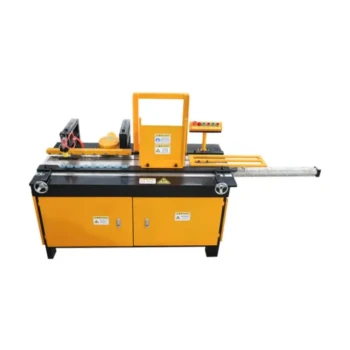
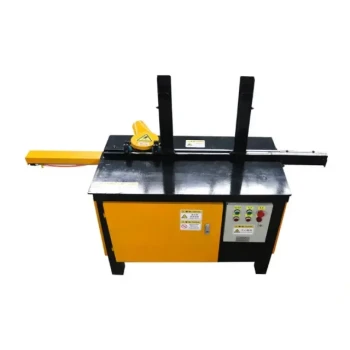
Standardized bee hive-making machinery serves as the technological backbone for scaling stingless beekeeping. It enables the precise, mass fabrication of artificial nest structures specifically tailored to the biological requirements of genera like Melipona and Scaptotrigona. This equipment creates a standardized environment that facilitates individualized management, artificial colony splitting, and essential protection against environmental threats, acting as the foundation for both large-scale rearing and population recovery.
By enabling the reliable production of biologically accurate "rational hives," this machinery removes the primary hardware bottleneck in meliponiculture. It allows beekeepers to transition from artisanal, small-scale holdings to commercial apiaries capable of supporting efficient crop pollination and species conservation.
The Foundation of Large-Scale Cultivation
Overcoming the Hardware Bottleneck
Traditionally, acquiring hives for stingless bees relied on manual forest collection or expensive third-party suppliers. Hive-making machinery eliminates this dependency by enabling the standardized, large-scale production of bee boxes.
This reliable supply chain allows beekeepers to expand operations significantly. It provides the infrastructure necessary to move from small holdings to commercial-level apiaries exceeding 50 hives.
Ensuring Precision and Interchangeability
High-precision woodworking tools within this machinery produce components with uniform dimensions. This ensures that hive parts, such as frames and supers, are fully interchangeable across the entire apiary.
Physical consistency is fundamental for efficient inspections and mechanized extraction. It eliminates the friction of managing mismatched equipment, allowing for streamlined operations and consistent honey quality.
Optimizing Biological Compatibility
Mimicking Natural Microclimates
The machinery fabricates "rational hives" designed to simulate the specific microenvironment of natural tree hollows. This is critical for colony vitality, as stingless bees are highly sensitive to temperature and humidity fluctuations.
By replicating these conditions, the hives allow bees to adapt quickly to their surroundings. This ensures colony stability before they are deployed for field activities or research purposes.
Protecting the Colony
Standardized structures provide robust protection against extreme weather and predators. The precise fabrication minimizes gaps that pests could exploit, securing the colony's safety.
This protection is vital for population recovery. It creates a controlled environment that reduces stress on the bees, directly contributing to the overall health and longevity of the colony.
Enhancing Management and Efficiency
Facilitating Safe Colony Splitting
The machinery enables the creation of layered, modular hive designs. This structural innovation is essential for artificial colony splitting, a primary method for increasing apiary population.
Beekeepers can separate hive sections to propagate new colonies without damaging the brood area. This minimizes interference and enhances breeding efficiency, solving a major challenge in manual rearing.
Enabling Commercial Pollination
Modular, standardized hives are designed for mobility. They facilitate the efficient transport of colonies to specific crop sites, such as cucumber fields, for targeted pollination.
Because the habitat is stable and transportable, bees remain vital during relocation. This logistical flexibility is key to integrating stingless bees into modern agricultural pollination management.
Critical Considerations for Implementation
While standardized machinery offers immense benefits, precision is non-negotiable. If the machinery fails to adhere to exact "bee space" standards for the specific species (e.g., the size difference between Melipona and Scaptotrigona), the bees may reject the hive or propolize (seal) essential gaps.
Furthermore, standardization must not become rigid inflexibility. The machinery must be capable of adjusting dimensions to produce different hive models suited to the distinct nesting behaviors of different stingless bee genera.
Making the Right Choice for Your Goal
To leverage this technology effectively, align your equipment choice with your primary objective:
- If your primary focus is Commercial Pollination: Prioritize machinery that produces modular, stackable designs to facilitate rapid transport and deployment in agricultural fields.
- If your primary focus is Conservation and Recovery: Prioritize machinery capable of fabricating thick-walled, highly insulated structures that strictly mimic the thermal properties of tree hollows to ensure maximum survival rates.
Ultimately, the role of this machinery is to transform the hive from a simple wooden box into a precision instrument for biological management.
Summary Table:
| Key Feature | Benefit for Stingless Beekeeping | Impact on Meliponiculture |
|---|---|---|
| High-Precision Fabrication | Ensures exact "bee space" for Melipona & Scaptotrigona | Prevents hive rejection and excessive propolizing |
| Modular Design | Facilitates safe artificial colony splitting | Accelerates population growth and recovery |
| Standardized Dimensions | Parts are fully interchangeable across the apiary | Streamlines management and honey extraction |
| Microclimate Replication | Mimics natural tree hollows (thermal insulation) | Enhances colony stability and survival rates |
| Logistical Mobility | Sturdy, stackable structures for transport | Enables commercial crop pollination services |
Scale Your Meliponiculture with HONESTBEE Precision Engineering
Transition from artisanal rearing to high-yield commercial success. HONESTBEE specializes in empowering commercial apiaries and global distributors with the professional hardware needed to thrive.
Our comprehensive wholesale portfolio includes:
- Automated Hive-Making Machinery: Engineered for precision woodcraft to produce standardized rational hives.
- Industrial Equipment: From honey-filling machines to advanced processing tools.
- Essential Consumables: A full spectrum of beekeeping tools and hardware tailored for stingless bee management.
Whether you are expanding a commercial pollination service or supplying the next generation of beekeepers, we provide the machinery and expertise to remove your hardware bottlenecks.
Contact HONESTBEE Today for a Wholesale Quote
References
- Amalia Cabrera Núñez. Conservation and Productive Yield of the Bee without Sedel as a Pollinator in Citricultural Orchards. DOI: 10.23880/oajar-16000264
This article is also based on technical information from HonestBee Knowledge Base .
Related Products
- Mini Desktop Bee Hive Frame Forming Making Machine
- High-Efficiency Pneumatic Bee Hive Making Machine for Rapid Box Assembly
- Beehive Handle and Frame Rest Cutting Machine: Your Specialized Hive Machine
- Automatic High-Speed Bee Hive Box Stapling Machine
- HONESTBEE Bee Frame Grooving Machine | Precision Slotting for Bee Frame Making
People Also Ask
- What are the qualities of the bee frame forming machine? Durable, Efficient, and Built to Last
- How does a bee frame making machine work? A Guide to Automated Metal Frame Production
- Why is professional beehive frame-making machinery required for large-scale apiary operations? Scale with Precision
- What are the key features of a Beehive Frame Making Machine's design? Optimize Your Beekeeping Production Efficiency
- What are the functionalities of a Beehive Frame Making Machine? Automate Precision Woodworking for Your Apiary