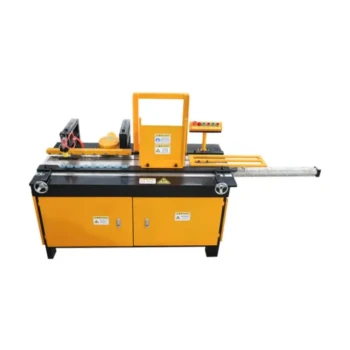
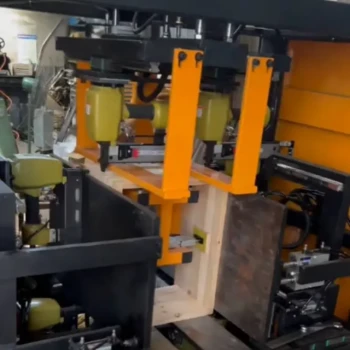
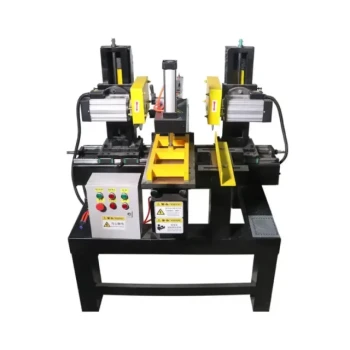
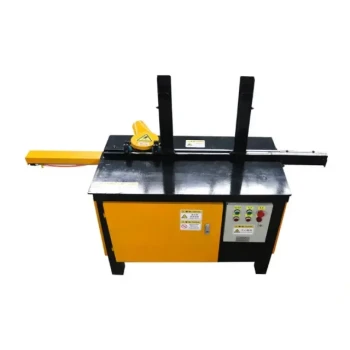
Standardized beehive-making machinery acts as the critical hardware foundation for modern, scientific apiculture. It ensures that every hive component is manufactured with exact specifications, creating a level of uniformity that manual construction cannot achieve. This mechanical precision is the primary defense against larval diseases and pests, such as mites and wax moths, while establishing the physical consistency required for high-yield colony development.
The core value of this machinery lies not just in manufacturing, but in biological control and operational scalability. By eliminating structural variability, machine-made hives create a controlled environment that minimizes pathogen risks and enables the industrial interchangeability required for efficient, data-driven colony management.
Optimizing Colony Health and Biological Defense
The primary role of high-precision machinery is to create a physical structure that actively supports the biological needs of the colony.
Establishing Physical Barriers Against Pests
Machinery ensures tight tolerances and geometric accuracy in hive construction. This precision eliminates gaps and irregularities where pests like wax moths and mites often hide or enter. By maintaining a sealed and secure environment, the hive structure itself acts as a first line of defense against natural enemies.
Reducing Disease Transmission
Uniform hive interiors are essential for preventing honeybee larval diseases. Smooth, machine-finished components facilitate thorough cleaning and sterilization. This structural consistency creates a hygiene baseline that supports Good Beekeeping Practices (GBPs) and large-scale disease prevention protocols.
Enhancing Thermoregulation
Standardized hardware provides a stable internal microenvironment. The uniform thickness and fit of machine-made boxes ensure appropriate insulation and ventilation. This buffers the colony against extreme temperature fluctuations and climatic stress, allowing bees to focus energy on production rather than survival.
Facilitating Industrial-Scale Operations
For apiculture to move from a hobby to a science, variables must be controlled. Standardized machinery converts the hive from a variable craft object into a reliable industrial unit.
Ensuring Component Interchangeability
The most practical benefit of standardization is the interchangeability of frames and boxes. Specialized machines ensure that a frame from one hive fits perfectly into any other. This reduces labor costs by enabling rapid manipulations and replacing broken parts without custom fitting.
Enabling Mechanized Management
Scientific management often relies on mechanized honey harvesting and inspections. Standardized dimensions allow for the use of automated extraction lines and handling equipment. This hardware uniformity is a prerequisite for reducing manual labor and increasing overall production efficiency.
Supporting Migratory Beekeeping
Commercial operations often require transporting colonies for pollination services. Machine-made hives are designed to stack securely and withstand the physical stress of transport. This compatibility is vital for loading efficiency and ensures bee survival rates during long-distance migration.
Enhancing Data Integrity and Ecological Modeling
Scientific management requires accurate data to make informed decisions about breeding and production.
Quantifying Production Capacity
Standardized hives provide a uniform volume for the colony. This allows beekeepers to accurately record and compare colony size and honey production capacity across different locations. Without this physical constant, comparative data would be skewed by hive size variations.
Supporting Ecological Research
Unified specifications allow distinct apiary sites to be treated as quantifiable data points. This facilitates the conversion of dispersed colony data into spatial distribution models. This level of data consistency is essential for ecological modeling and maintaining stable production outputs over time.
Critical Considerations for Implementation
While standardized machinery offers immense benefits, it introduces specific requirements that must be managed to avoid operational failure.
The Necessity of Strict Tolerances
The benefits of standardization are binary; components either fit perfectly, or they fail. If machinery is not maintained to industrial-grade precision, the resulting incompatibility can be worse than manual construction. "Almost" standardized parts can lead to crushed bees during inspections or gaps that invite pests.
Dependency on Hardware Consistency
Once an operation commits to a specific machine standard, deviating from it becomes costly. Mixing equipment from different standards defeats the purpose of interchangeability. Therefore, the initial selection of the machinery and design standard is a long-term strategic decision, not just a purchase.
Making the Right Choice for Your Goal
When integrating standardized machinery into your operation, focus on the specific outcome you need to achieve.
- If your primary focus is Disease Control: Prioritize machinery that delivers the highest surface finish and tightest joint tolerances to eliminate pest harborage points.
- If your primary focus is Commercial Scalability: Ensure the machinery produces components strictly adhering to universal standards to guarantee compatibility with automated harvesting lines and transport logistics.
- If your primary focus is Research and Breeding: Leverage the uniformity of machine-made hives to eliminate environmental variables, ensuring that changes in yield are attributable to genetics, not hive structure.
Standardization is the bridge between chaotic nature and managed agriculture, turning the beehive into a predictable tool for scientific success.
Summary Table:
| Feature | Role in Scientific Apiculture | Key Benefit |
|---|---|---|
| Geometric Precision | Eliminates gaps and structural irregularities | Prevents pests (mites/wax moths) |
| Component Uniformity | Enables universal interchangeability | Reduces labor and maintenance costs |
| Structural Consistency | Supports automated extraction and transport | Facilitates industrial-scale operations |
| Standardized Volume | Provides a physical constant for data | Improves research and yield tracking |
| Surface Finish | Allows for thorough sterilization | Enhances hygiene and disease control |
Elevate Your Apiary with HONESTBEE Precision Engineering
At HONESTBEE, we understand that scientific beekeeping starts with industrial-grade hardware. We provide commercial apiaries and distributors with the high-precision machinery needed to turn traditional beekeeping into a scalable, data-driven enterprise.
Why Partner with HONESTBEE?
- Full Spectrum Supply: From hive-making and honey-filling machines to professional-grade tools and consumables.
- Industrial Scalability: Our standardized equipment ensures 100% component interchangeability for large-scale operations.
- Wholesale Expertise: We cater to global distributors with a comprehensive portfolio, including specialized hardware and honey-themed cultural merchandise.
Ready to modernize your production and maximize your colony health?
Contact HONESTBEE Today to discuss our wholesale solutions and machinery specifications.
References
- Ashok Yadav, Pradyumn Singh. Diagnosis of Insect Pests and Diseases of Apiary, Vegetable and Fruit Crops. DOI: 10.20546/ijcmas.2020.907.147
This article is also based on technical information from HonestBee Knowledge Base .
Related Products
- High-Efficiency Pneumatic Bee Hive Making Machine for Rapid Box Assembly
- Mini Desktop Bee Hive Frame Forming Making Machine
- HONESTBEE Top Bar & Bottom Bar Forming Machine | Bee Frame Machine
- Beehive Handle and Frame Rest Cutting Machine: Your Specialized Hive Machine
- Automatic High-Speed Bee Hive Box Stapling Machine
People Also Ask
- How does the introduction of professional beehive-making machinery benefit sustainable beekeeping? Scale Your Apiary
- Why is specialized beehive-making machinery critical for low-defense breeding? Enhance Selection with Precision Tools
- How does the introduction of specialized beehive making machinery contribute to increasing the scale of regional beekeeping industries?
- What is the importance of specialized beehive making machinery in a circular bio-economy? Build Local Sustainability
- Why is specialized beehive-making machinery essential? Scale Your Apiary with Precision Industrial Standards