Standardized commercial hive-making hardware serves as the primary control mechanism for manipulating honeybee population density within ecological research. By deploying these units in specific landscapes, researchers can artificially simulate large-scale honeybee incursions to measure the direct impact on native ecosystems, specifically regarding wild bee abundance, floral resource competition, and pollination efficiency.
By utilizing standardized hardware to precisely control honeybee density, scientists can effectively "stress test" an environment, isolating the specific variables that lead to native species displacement and altered plant reproduction.
The Mechanics of Ecological Assessment
Simulating Population Surges
The core function of this hardware in an assessment context is density control.
Researchers use these standardized units to introduce specific, high numbers of honeybees into natural or agricultural settings.
This allows for the simulation of "incursions"—sudden, large-scale increases in honeybee activity—rather than relying on fluctuating natural populations.
Monitoring Native Bee Displacement
Once the hardware is deployed, the primary metric assessed is the abundance of native wild bees.
By comparing areas with high densities of commercial hives against control groups, researchers can quantify how introduced honeybees physically displace native pollinators.
This data provides a clear picture of the pressure exerted on indigenous species during commercial pollination events.
Analyzing Resource Dynamics
Measuring Floral Competition
Beyond simple population counts, the hardware enables the study of resource competition.
Researchers observe how the introduced hives monopolize nectar and pollen sources.
This helps determine if the commercial hives are out-competing wild bees for limited food supplies, potentially threatening the survival of local populations.
Evaluating Pollination Efficiency
The final critical role of this hardware is in assessing plant pollination efficiency.
High densities of honeybees do not always equate to better pollination.
Studies using this hardware track whether the influx of commercial bees improves crop yield or paradoxically disturbs the pollination effectiveness of native plants.
Understanding the Trade-offs
The Artificiality of High-Density Models
While effective for stress testing, this approach relies on simulated extremes.
Deploying high densities of commercial hives creates a scenario of "incursion" that may be more intense than typical background levels of honeybee activity.
Scope of Impact
The data derived is specific to managed commercial populations.
It accurately reflects the impact of agriculture and apiary practices but may not perfectly model the interactions of feral honeybee colonies.
Making the Right Choice for Your Goal
To effectively utilize or interpret data derived from standardized hive hardware, consider your specific research or management objectives:
- If your primary focus is conservation planning: Use the data on native bee abundance to identify carrying capacities and limit commercial hive density in sensitive areas.
- If your primary focus is agricultural optimization: Analyze the pollination efficiency metrics to ensure that adding more hives does not yield diminishing returns.
Understanding the precise role of this hardware allows for a balanced approach to managing commercial pollination needs while protecting native biodiversity.
Summary Table:
| Metric Category | Role of Standardized Hardware | Key Ecological Outcome |
|---|---|---|
| Population Density | Simulates large-scale honeybee incursions | Quantifies native species displacement |
| Resource Competition | Monitors nectar and pollen monopolization | Identifies food supply pressure on wild bees |
| Pollination Efficiency | Tracks crop yield vs. native plant disturbance | Evaluates net gain or loss in biodiversity |
| Conservation Data | Establishes environmental carrying capacities | Informs sustainable apiary management policies |
Scale Your Apiary Operations Responsibly with HONESTBEE
At HONESTBEE, we empower commercial apiaries and global distributors with the tools needed for both industrial success and ecological precision. Whether you are conducting large-scale pollination services or ecological research, our comprehensive wholesale portfolio has you covered.
Why partner with HONESTBEE?
- Precision Hardware: High-quality hive-making and honey-filling machinery designed for standardized performance.
- Full-Spectrum Supply: From professional beekeeping tools to essential industry consumables.
- Global Distribution: Tailored solutions for commercial-scale operations and agricultural distributors.
Ready to enhance your efficiency and environmental stewardship? Contact us today to explore our wholesale machinery and equipment offerings!
References
- Juan I. Agüero, Lucas A. Garibaldi. Honey bee impact on plants and wild bees in natural habitats. DOI: 10.7818/ecos.1365
This article is also based on technical information from HonestBee Knowledge Base .
Related Products
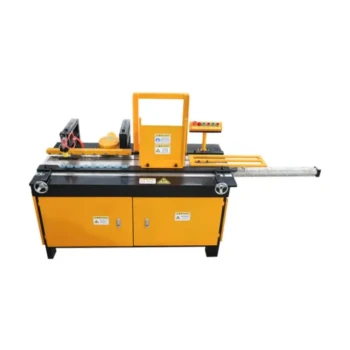
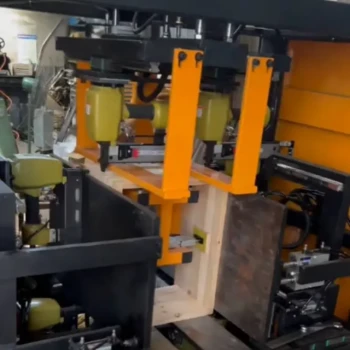
- High-Efficiency Pneumatic Bee Hive Making Machine for Rapid Box Assembly
- Beehive Handle and Frame Rest Cutting Machine: Your Specialized Hive Machine
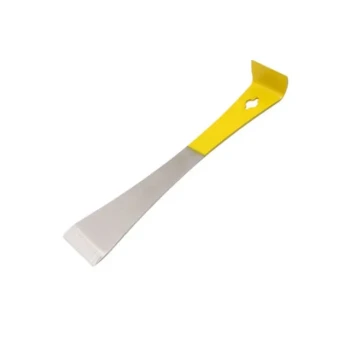
- Professional Stainless Steel Pry-Bar Hive Tool
- Professional Multi-Function Stainless Steel Hive Tool
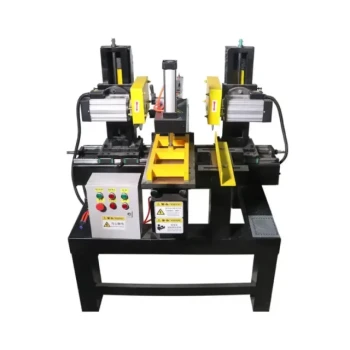
- Beehive Machine Double End Saw for Precision Hive Component Manufacturing
People Also Ask
- How does the introduction of professional beehive-making machinery benefit sustainable beekeeping? Scale Your Apiary
- Why is specialized beehive-making machinery critical for low-defense breeding? Enhance Selection with Precision Tools
- How does the introduction of specialized beehive making machinery contribute to increasing the scale of regional beekeeping industries?
- What is the importance of specialized beehive making machinery in a circular bio-economy? Build Local Sustainability
- Why is specialized beehive-making machinery essential? Scale Your Apiary with Precision Industrial Standards