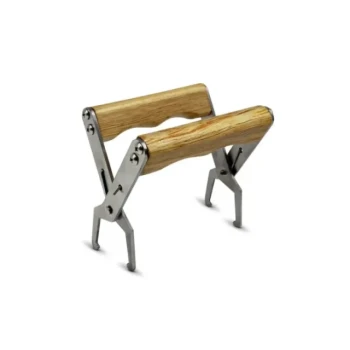
The strategic application of industrial-grade transport equipment and hive-handling machinery changes beekeeping from a stationary practice into a dynamic, climate-resilient industry. These tools are the core hardware components that enable the rapid relocation of hives to higher altitudes or cooler climates, allowing colonies to escape extreme summer heat and access diverse forage.
Core Strategic Value Industrial transport and handling machinery serve as the logistical backbone of migratory beekeeping, transforming mobility into a tool for climate adaptation. By mechanizing the movement of hives, apiarists can secure colony survival against environmental extremes while simultaneously maximizing economic yield through extended pollination windows and honey production.
Overcoming Environmental Constraints
Climate Adaptation Through Mobility
The primary function of this hardware is to facilitate rapid relocation in response to climatic threats. By utilizing heavy-duty transport vehicles, beekeepers can move colonies away from extreme heat to cooler regions or higher altitudes. This mobility is a critical hardware-based defense mechanism against the rising temperatures that threaten stationary apiaries.
Accessing Diverse Nectar Sources
Industrial transport breaks the geographical limits of a single location. Equipment capable of long-haul travel ensures colonies can utilize diverse nectar sources across different regions. This flexibility allows bees to forage on specific crops like clover, cotton, or citrus as they bloom, rather than relying solely on local, depleting resources.
Extending the Production Season
Specialized machinery enables the synchronization of colony location with peak flowering seasons. By chasing the bloom across geographic zones, beekeepers maximize total annual honey production. This converts beekeeping from a seasonal activity into a continuous production cycle.
Protecting Colony Health During Transit
Minimizing Physiological Stress
Long-distance transport is physically taxing on bees, but high-performance equipment minimizes this impact. specialized vehicles reduce vibrations and provide necessary ventilation, ensuring stability during transit. This reduction in physical stress prevents worker bee losses and allows colonies to resume foraging activities almost immediately upon arrival.
Disease Mitigation Strategies
Mechanized handling equipment, such as apiary-specific forklifts, allows for the precise, standardized placement of hives. This controlled spacing is essential for preventing cross-infection between colonies. By reducing physical proximity and "drift" between hives, mechanization helps slow the transmission of critical pests and diseases like Varroa destructor and Nosema ceranae.
Ensuring Structural Integrity
While transport machinery moves the hives, the hives themselves must be built to withstand the journey. Industrial hive-making machinery produces standardized, impact-resistant components necessary for frequent loading. This durability prevents mechanical damage during relocation, protecting the colony from exposure and physical harm.
The Logistics of Scale and Economics
Meeting Narrow Pollination Windows
Agricultural pollination often requires hitting a very narrow scheduling window. Specialized transport fleets allow apiaries to move hundreds of colonies overnight to meet these deadlines. This reliability is what enables the dual economic model of honey production combined with paid pollination services.
Efficiency in Handling
The use of loaders and forklifts replaces manual labor, drastically increasing the speed of deployment. This efficiency is vital for large-scale operations where timing is the difference between a productive season and a missed opportunity. Standardized hardware specifications facilitate this mechanized management, streamlining maintenance and loading procedures.
Understanding the Trade-offs
Capital Intensity vs. Operational Flexibility
Implementing industrial-grade machinery requires significant upfront capital investment. While it unlocks higher revenue potential through migratory practices, it introduces a high barrier to entry compared to stationary beekeeping.
Maintenance and Logistics Risks
Reliance on heavy machinery introduces a new layer of risk: mechanical failure. If a transport truck breaks down during a critical heatwave move or a pollination window, the biological cost to the bees and the financial cost to the beekeeper can be catastrophic. The complexity of logistics increases alongside the size of the mechanized fleet.
Making the Right Choice for Your Goal
To maximize the utility of migratory equipment, align your hardware choices with your specific operational focus:
- If your primary focus is Climate Resilience: Prioritize transport vehicles with superior ventilation systems and speed capabilities to rapidly evacuate bees from heat zones to higher altitudes.
- If your primary focus is Commercial Pollination: Invest in standardized hive bodies and apiary-specific forklifts to maximize loading speed and ensure you hit tight agricultural scheduling windows.
- If your primary focus is Disease Control: Focus on mechanized placement tools that ensure precise spacing between hives to limit the spread of pathogens like Varroa during large-scale aggregation.
True migratory success lies not just in owning the machinery, but in using it to synchronize biological needs with environmental opportunities.
Summary Table:
| Strategic Factor | Key Benefit | Specific Hardware Application |
|---|---|---|
| Climate Resilience | Rapid relocation to cooler zones | Heavy-duty transport vehicles & ventilation systems |
| Production Yield | Extended foraging across bloom zones | Long-haul logistics & standardized hive components |
| Colony Health | Reduced stress & disease mitigation | Specialized forklifts & impact-resistant hive bodies |
| Economic Scale | Meeting tight pollination windows | Mechanized loaders & high-capacity transport fleets |
Scale Your Commercial Apiary with HONESTBEE
Transitioning from stationary to migratory beekeeping requires more than just mobility—it requires industrial-grade reliability. At HONESTBEE, we specialize in supporting commercial apiaries and distributors with the heavy-duty hardware needed to survive and thrive in a changing climate.
Our value to your business includes:
- Advanced Machinery: High-precision hive-making and honey-filling machines to standardize your production.
- Full-Spectrum Equipment: From specialized transport-ready hardware to essential beekeeping tools.
- Wholesale Efficiency: A comprehensive inventory of consumables and cultural merchandise to diversify your revenue streams.
Ready to enhance your operational capacity and secure your colony health?
Contact HONESTBEE Today to discuss our wholesale offerings and professional machinery solutions.
References
- Peter Neumann, Lars Straub. Beekeeping under climate change. DOI: 10.1080/00218839.2023.2247115
This article is also based on technical information from HonestBee Knowledge Base .
Related Products
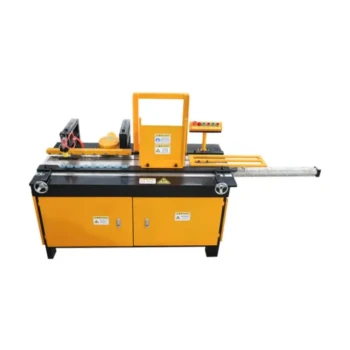
- Beehive Handle and Frame Rest Cutting Machine: Your Specialized Hive Machine
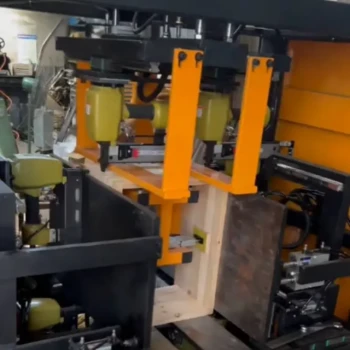
- Automatic High-Speed Bee Hive Box Stapling Machine
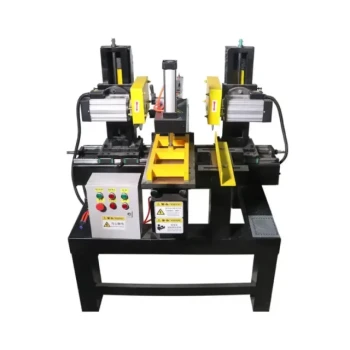
- High-Efficiency Pneumatic Bee Hive Making Machine for Rapid Box Assembly
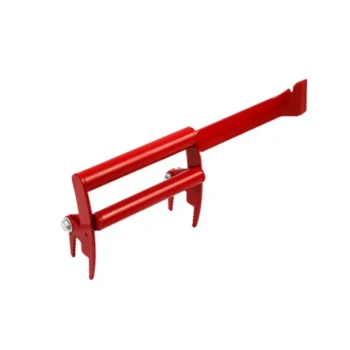
- Premium Comfort Grip Spring-Loaded Hive Handles
- Professional Grade Foldable Beehive Handles
People Also Ask
- What is the importance of specialized beehive-making machinery? Ensure Precision for Sensor-Based Hive Monitoring
- How do bee hive handles facilitate the evaluation of food stores? Use the Lift Test for Winter Survival
- How do specialized beehive handling machines contribute to efficiency? Streamline Your Mobile Beekeeping Logistics
- How do professional beehive and frame manufacturing machines contribute to commercial apiary management? Boost Efficiency
- What are the standard dimensions for frame rests in a beehive? Essential Guide for Perfect Bee Space