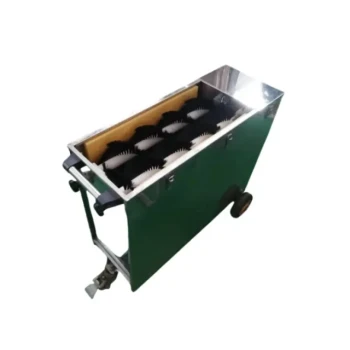
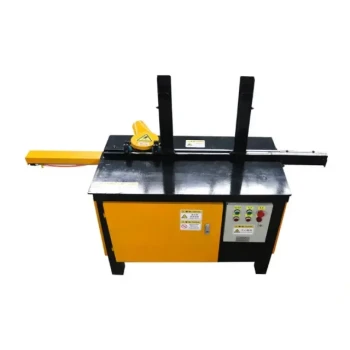
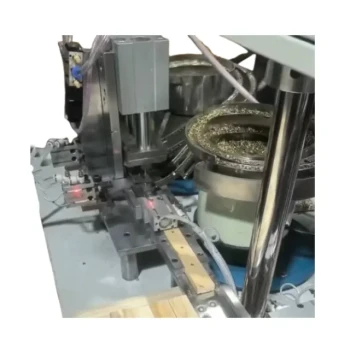
The introduction of professional beekeeping machinery into forestry represents a fundamental shift from traditional collection to scientific management. By standardizing hive production and automating colony care, forestry managers can transform pollination from a passive occurrence into a reliable, controlled process. This transition not only boosts the efficiency of honey production but also actively leverages the ecological function of bees to sustain forest biodiversity.
The integration of this technology creates a bridge between commercial efficiency and ecological stewardship. It enables the large-scale standardization of pollination services, ensuring biodiversity is maintained while simultaneously optimizing the economic output of bee products through data-driven management.
The Shift to Scientific Standardization
Moving From Collection to Management
The primary significance of this technology is the transition from a "hunting and gathering" approach to scientific beekeeping. Traditional methods often rely on passive collection, whereas professional machinery enables active, precise management of resources.
The Role of Precision Manufacturing
Hive-making machinery allows for the standardized, large-scale production of improved hive structures. By creating weather-resistant and structurally sound wooden hives, this equipment provides a stable environment that protects pollinator colonies more effectively than traditional methods.
Scaling Operations Efficiently
Advanced machinery enables the management of apiaries at a commercial scale, handling thousands of hives simultaneously. This technology streamlines critical logistics, such as colony transportation and health monitoring, ensuring that pollination services can meet high demands that wild pollinators alone cannot cover.
Data-Driven Ecological Impact
Quantifying Hive Health
Modern management incorporates frameworks like the Lebefielder method to estimate honeybee populations and yields scientifically. By comparing affected colonies against healthy ones within standardized equipment, managers can accurately quantify economic losses caused by pests or diseases.
Optimizing Asset Allocation
Data-driven approaches allow for smarter financial decisions regarding beekeeping assets. Understanding specific yield data and equipment performance helps managers calculate depreciation accurately and prioritize hardware investments where they are needed most.
Supporting Forest Biodiversity
Beyond economics, this machinery facilitates the "ecological function" of bees within the forest system. By maintaining healthy, controlled colonies, forestry managers ensure consistent pollination, which is vital for maintaining the reproductive cycles of various forest plant species and overall biodiversity.
Understanding the Trade-offs
The Requirement for Technical Expertise
Adopting professional machinery moves the harvester toward a production model that combines domestic beekeeping with traditional harvesting. This requires a shift in skill set; operators must understand both the biological needs of the colony and the technical maintenance of the equipment.
Balancing Cost and Efficiency
While hive-making machinery lowers the long-term cost barrier for acquiring advanced equipment, the initial shift to scientific beekeeping requires strategic investment. Success depends on using the data collected to ensure that equipment depreciation does not outpace the economic gains from increased honey output.
Making the Right Choice for Your Goal
To effectively implement these technologies in forestry management, assess your primary objectives:
- If your primary focus is Economic Output: Prioritize machinery that standardizes hive structures and utilizes the Lebefielder method to maximize honey yield and minimize loss from pests.
- If your primary focus is Ecological Conservation: Focus on transportation and colony health monitoring technologies to ensure robust pollination coverage that supports forest biodiversity.
By treating beekeeping as a standardized, scientific discipline rather than a passive activity, forestry managers can secure both economic stability and ecological resilience.
Summary Table:
| Key Significance | Description | Primary Benefit |
|---|---|---|
| Scientific Management | Shift from passive gathering to active, precise colony control. | Higher efficiency and predictability. |
| Standardization | Precision hive-making machinery creates uniform, durable structures. | Scalable operations and colony stability. |
| Data-Driven Insights | Quantitative methods (e.g., Lebefielder) monitor health and yield. | Optimized asset allocation and ROI. |
| Ecological Stewardship | Sustained pollination services for forest ecosystems. | Enhanced biodiversity and forest health. |
Elevate Your Forestry and Beekeeping Operations with HONESTBEE
Transitioning from traditional methods to scientific beekeeping requires a partner who understands the demands of commercial scaling and ecological resilience. HONESTBEE empowers commercial apiaries, distributors, and forestry managers with a complete spectrum of professional solutions.
From precision hive-making and honey-filling machinery to high-quality beekeeping tools and essential industry consumables, our portfolio is designed to maximize your economic output while supporting forest biodiversity. Whether you are looking to standardize your hardware or expand your wholesale offering, HONESTBEE delivers the expertise and equipment you need.
Ready to modernize your pollination services? Contact HONESTBEE Today to Explore Our Wholesale Solutions
References
- Jagadish Bhakta Shrestha. Honeybees: The Pollinator Sustaining Crop Diversity. DOI: 10.3126/aej.v9i0.2122
This article is also based on technical information from HonestBee Knowledge Base .
Related Products
- Stainless Steel J Hook Hive Tool for Beekeeping
- HONESTBEE 15-in-1 Beekeeper Multi-Tool with Hammer and Pliers for Beekeeping
- HONESTBEE Professional Mini J-Hook Hive Tool for Beekeeping
- Durable Galvanized Steel Frame Grip
- Multi-Function Plier-Style Frame Grip Hive Tool
People Also Ask
- What specific challenges do beekeeping hive tools address during hive maintenance? Essential Solutions for Apiaries
- What are the features of a J-hook hive tool? Effortlessly Lift Frames with Superior Leverage
- What is a J-hook hive tool and why is it favored by some beekeepers? Master Gentle Frame Handling
- What is the purpose of the J-hook hive tool? Effortlessly Lift Frames with Superior Leverage
- How is a J-hook hive tool designed and what is its primary use? Master Effortless Hive Inspections