Monitoring the quantity of bees on frames and the amount of brood is the definitive, standardized method for objectively measuring the impact of hornet attacks on a honeybee colony. By tracking these specific metrics, you move beyond anecdotal observation to directly quantify the loss of adult bees and the rate of larval predation.
The ultimate value of this data is predictive: it determines whether a colony is in a state of active collapse or if it retains enough biological mass to successfully survive the coming winter.
The Components of Colony Assessment
Standardizing the Measurement
Subjective guesses about hive activity can be misleading. Counting the number of bees covering frames and measuring the brood area provides a standardized metric for colony strength. This allows for consistent comparisons over time to track the rate of decline.
Quantifying Adult Bee Loss
Hornets typically prey heavily on foraging bees. A significant reduction in the number of frames covered by adult bees serves as a direct indicator of this external pressure. It reveals how quickly the colony's workforce is being depleted.
Detecting Larval Predation
The amount of brood is equally critical. A decline here indicates that hornets may have breached the hive to prey on larvae or that the colony is too stressed to rear new bees. This metric measures the damage to the colony's future generation.
Distinguishing Damage from Collapse
Identifying Active Collapse
Monitoring these numbers helps identify active collapse. This occurs when the rate of adult loss and larval predation exceeds the colony's ability to regenerate. Recognizing this state early prevents the expenditure of resources on a doomed hive.
Evaluating Winter Viability
The deepest insight provided by this monitoring is the assessment of biological mass. Even if a colony survives the immediate attack, it must retain a specific critical mass of bees and brood to generate heat and survive the winter. These metrics confirm if that threshold has been maintained.
Making the Right Choice for Your Goal
By using these metrics, you can make evidence-based decisions regarding hive management.
- If your primary focus is damage assessment: Use the bee-per-frame count to calculate the immediate severity of adult population loss.
- If your primary focus is resource allocation: Evaluate the brood and total biological mass to determine if the colony is viable enough to warrant winter preparation efforts.
Accurate monitoring transforms a chaotic attack scenario into a calculable survival probability.
Summary Table:
| Metric | Assessment Indicator | Importance for Management |
|---|---|---|
| Bees on Frames | Adult population count | Measures current workforce loss and external pressure severity. |
| Brood Area | Larval health/Regeneration | Detects internal predation and the colony's ability to replace bees. |
| Biological Mass | Survival threshold | Determines if the hive has enough mass to generate heat for winter. |
| Decline Rate | Stability vs. Collapse | Identifies if the colony is in active collapse or stable enough to recover. |
Protect Your Apiary with HONESTBEE Professional Solutions
Don't let hornet attacks jeopardize your colony's future. HONESTBEE empowers commercial apiaries and distributors with the high-performance tools needed to maintain hive health and efficiency. From specialized hive-making and honey-filling machinery to a full spectrum of beekeeping equipment and essential consumables, we provide the hardware necessary to scale your operations and defend your livestock.
Whether you are restocking wholesale supplies or upgrading your production line, our team is ready to deliver industry-leading value to your business. Contact HONESTBEE today to explore our comprehensive product portfolio and secure the future of your bees.
References
- M. Abd Al-Fattah, Yasser Ibrahim. THE SERIOUS EFFECT OF ORIENTAL HORNET Vespa orientalis L. ON HONEYBEE COLONIES IN GIZA REGION, EGYPT.. DOI: 10.21608/jppp.2009.188418
This article is also based on technical information from HonestBee Knowledge Base .
Related Products
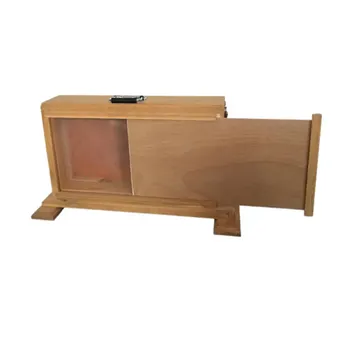
- Professional Observation Hive: The Ultimate Portable Solution for Beekeeping Education, Exhibitions, and Colony Displays
- Modern Flat-Mount Hive Number Set for Beekeeping
- Professional Large-Format Hive Number Set for Beekeeping
- 30 cm Plastic Entrance Hole Bee Pollen Trap and Collector
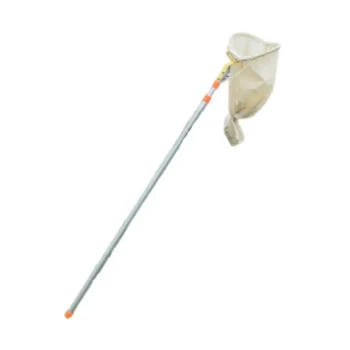
- HONESTBEE Professional Telescopic Pole Bee Swarm Catcher
People Also Ask
- How does transitioning to modern hives boost honey yield? Increase production and product quality for your commercial apiary
- How do Langstroth and Dadant standard beehives compare regarding brood chamber management and component compatibility? Find the Perfect Fit for Your Apiary
- What are the primary differences between Langstroth, horizontal top bar, and Warré hive box designs when selecting beekeeping equipment? Choose the Right Hive for Your Apiary
- What is the recommended frame and box setup for a standard Langstroth hive configuration? Discover the optimal Hive Configuration for Best Results
- How does transitioning from traditional local hives to modern frame beehives impact honey yields, and what equipment is needed to support this transition for commercial apiaries? Boost Productivity with the Right Gear