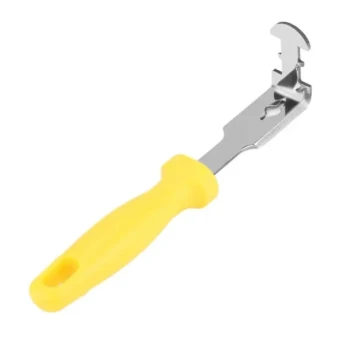
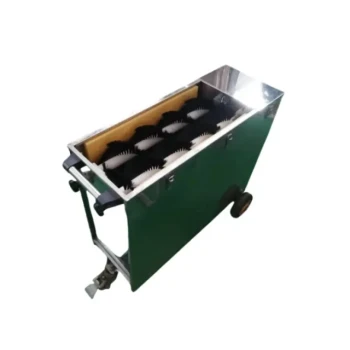
Specialized colony treatment tools act as the critical control point between biological risks and product safety in commercial beekeeping. These instruments are significant because they enable the precise application of health protocols required to combat pests like the Varroa mite, ensuring colony survival. Simultaneously, they protect the integrity of the harvest by preventing chemical contamination, ensuring honey meets strict international quality standards.
The true value of these tools lies in their ability to balance pest eradication with product purity. By standardizing how treatments are applied, they allow operations to scale health protocols without compromising the safety or marketability of the honey.
Protecting the Biological Asset
Combating Critical Pests
The primary threat to modern apiaries is the Varroa mite. Specialized treatment tools are designed to deliver miticides or organic treatments effectively within the complex structure of a hive.
Improving Colony Survival
Generic or manual application methods often result in inconsistent dosage, leading to resistance or treatment failure. Specialized tools ensure uniform coverage, which directly correlates to higher survival rates through winter and stronger workforce buildup for pollination seasons.
Safeguarding Product Integrity
Preventing Chemical Contamination
In commercial beekeeping, the margin for error regarding chemical residue is non-existent. Specialized tools allow beekeepers to target the pest without contaminating the honeycomb or the honey stores.
Meeting International Safety Standards
Global markets demand honey that is free from unauthorized chemical traces. Using best-practice tools ensures that the treatment process remains isolated from the production process, guaranteeing the final product is safe for consumption and export.
Understanding the Trade-offs
Initial Investment vs. Operational Risk
Specialized treatment equipment represents a higher upfront capital cost compared to rudimentary application methods. However, this cost is offset by the reduction in colony losses and the prevention of recalled contaminated honey batches.
Training and Complexity
Unlike basic hive tools like scrapers, treatment devices often require operator training to ensure correct dosage and timing. Misuse of even the most advanced tool can lead to ineffective pest control or accidental harm to the queen and brood.
Making the Right Choice for Your Goal
To maximize the value of your operation, select tools based on your specific output targets:
- If your primary focus is honey production for export: Prioritize high-precision tools designed specifically to prevent residue accumulation in wax and honey stores.
- If your primary focus is pollination services: Focus on tools that maximize speed and efficacy in mite reduction to ensure robust colony population density during transport.
The significance of these tools is ultimately measured by their ability to sustain a healthy bee population while delivering a pure, marketable product.
Summary Table:
| Feature | Specialized Treatment Tools | Manual/Generic Methods |
|---|---|---|
| Pest Control Efficacy | High precision; targeted dosage | Inconsistent; risk of resistance |
| Product Safety | Prevents chemical residues | High risk of honey contamination |
| Colony Survival | Optimized for winter/pollination | Variable; higher loss rates |
| Operational Focus | Scalable health protocols | Labor-intensive and risky |
| Long-term Value | Protects marketability & assets | High risk of batch recalls |
Scale Your Apiary with Precision and Purity
Maintaining the balance between pest eradication and honey purity is the hallmark of a successful commercial operation. At HONESTBEE, we understand the unique challenges faced by commercial apiaries and distributors. We provide a comprehensive wholesale range of specialized beekeeping tools, machinery, and equipment designed to meet strict international safety standards.
Whether you need precision hive-making and honey-filling machines or essential consumables for health protocols, our portfolio ensures your honey remains pure and your colonies remain robust. Contact us today to discover how our specialized hardware and tailored wholesale solutions can secure your harvest and elevate your brand's market value.
References
- Georgi Aleksiev. The impact of social support on the competitiveness of Bulgarian apiculter after the accession to the Europan Union. DOI: 10.15547/tjs.2015.s.01.028
This article is also based on technical information from HonestBee Knowledge Base .
Related Products
- Ergonomic Plastic Frame Spacer Tool for Rapid Hive Management Beekeeping
- HONESTBEE Professional Long Handled Hive Tool with Precision Cutting Blade
- Professional Stainless Steel Pry-Bar Hive Tool
- HONESTBEE 15-in-1 Beekeeper Multi-Tool with Hammer and Pliers for Beekeeping
- Professional Dual Action Queen Excluder Scraper for Beekeeping
People Also Ask
- What specific challenges do beekeeping hive tools address during hive maintenance? Essential Solutions for Apiaries
- How do specialized beehive management tools assist in the routine maintenance of bee colonies? Boost Hive Efficiency
- How do specialized beehive management tools support high-purity honey production? Master Monofloral Isolation
- What additional equipment might be useful for beekeeping? Boost Hive Health & Efficiency
- What are the approximate costs of basic beekeeping tools? Start Your Apiary for Under $85