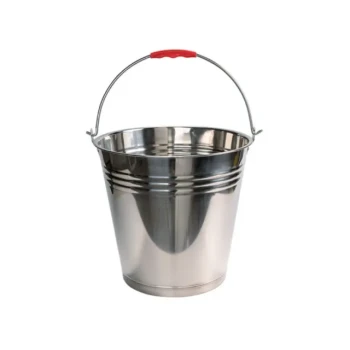
Standardized packaging consumables are the primary infrastructure for establishing trust and value in honey quality schemes. They perform a dual function: protecting the physical integrity of the product against degradation and serving as the verified carrier for certification marks, such as Geographical Indication (GI) or organic labels, which validate the product's authenticity to the consumer.
Core Takeaway While high-quality packaging is essential for physical preservation, its role in quality schemes is fundamentally about communication and market access. By standardizing visual and physical specifications, these consumables lower "recognition costs" for consumers and act as a defensive barrier against counterfeiting, transforming raw agricultural honey into a high-value, trusted commodity.
The Guardian of Authenticity and Trust
Validating Quality Schemes
The primary role of standardized packaging in quality schemes is to serve as a secure carrier for certification symbols. In the context of GI and organic products, the packaging itself—specifically anti-counterfeit labels and distinct containers—provides the physical proof of the product's origin and adherence to standards.
Reducing Consumer Recognition Costs
Standardization creates a consistent visual language. When packaging specifications are uniform, consumers can identify high-quality or certified products instantly without extensive research. This visual consistency significantly reduces the cognitive effort required for a consumer to trust the product, directly enhancing its market circulation value.
Preventing Fraud
Standardized consumables act as a critical defense line for brand protection. By utilizing specific, hard-to-replicate food-grade sealed containers and security labels, producers make it significantly harder for inferior products to mimic the visual identity of certified high-quality honey.
Physical Preservation and Market Viability
Countering Honey’s Hygroscopic Nature
Honey is naturally hygroscopic, meaning it absorbs moisture from the air, which can lead to fermentation and spoilage. High-quality, standardized containers (such as sealed glass or tin drums) provide a necessary barrier against oxidation and moisture absorption. This creates a stable environment that preserves the honey's chemical properties, natural aromas, and flavor profiles.
Transforming Agriculture into Commodity
Packaging shifts the product definition from a basic agricultural output to a branded commodity with cultural and economic value. Professional packaging materials allow producers to attach brand values such as ecological balance and social sustainability to the physical product. This transformation is essential for capturing consumers who prioritize environmental sustainability and premium quality.
Enabling Market Access
To enter high-end retail sectors and international export markets, honey must meet strict food safety and visual standards. Standardized, automated packaging ensures the precise measurement and physical stability required for modern logistics. Without these consumables, honey products effectively cannot participate in global commercial transactions.
Understanding the Trade-offs
The Cost of Compliance
Implementing standardized, high-quality packaging represents a significant upfront investment. Shifting from basic containers to food-grade, aesthetically designed, and anti-counterfeit consumables increases total production costs, which must be recovered through the price premiums that quality schemes command.
Balancing Standardization with Differentiation
While standardization builds trust for a collective scheme (like a regional GI), it can sometimes blur the lines between individual producers within that scheme. Beekeepers must find a balance where the packaging signals adherence to the collective standard while still allowing enough room for individual brand differentiation to compete effectively.
Making the Right Choice for Your Goal
To maximize the value of your honey products, align your packaging strategy with your primary market objective:
- If your primary focus is Protecting Brand Integrity (GI/Organic): Prioritize anti-counterfeit labeling and distinct visual uniformity to minimize consumer recognition costs and prevent fraud.
- If your primary focus is Export and Logistics: Prioritize the seal integrity and moisture barrier properties of the container to prevent fermentation and ensure stability during long-distance transport.
- If your primary focus is Premium Retail Positioning: Prioritize aesthetic materials (such as glass) that convey cultural and environmental values to justify a higher price point.
Ultimately, standardized packaging is not merely a logistical cost; it is the necessary investment that converts honey from a raw ingredient into a trusted, tradable asset.
Summary Table:
| Key Function | Primary Benefit | Implementation Detail |
|---|---|---|
| Authenticity Carrier | Validates Quality Schemes | Secure placement for GI, organic, and anti-counterfeit labels. |
| Product Protection | Physical Integrity | Provides moisture barriers to prevent fermentation and oxidation. |
| Market Access | Logistics & Export | Ensures compliance with international food safety and retail standards. |
| Consumer Trust | Reduced Recognition Cost | Uniform visual language builds instant brand and quality familiarity. |
| Value Transformation | Premium Positioning | Converts raw agricultural honey into a high-value, branded commodity. |
Elevate Your Honey Brand with HONESTBEE
At HONESTBEE, we understand that premium packaging is the bridge between a quality harvest and market success. We specialize in supporting commercial apiaries and distributors with a comprehensive wholesale portfolio designed to meet the rigorous demands of global quality schemes.
Our value to your business:
- Full Spectrum Supply: From professional-grade containers and moisture-secure seals to honey-filling machinery and specialized hive-making tools.
- Expertise in Quality Schemes: We provide the essential consumables needed to protect your GI or organic certifications and prevent fraud.
- Global Scalability: Whether you need automated processing equipment or honey-themed cultural merchandise, our wholesale solutions are built for growth.
Ready to transform your honey into a trusted, high-value asset? Contact us today to discuss your wholesale requirements!
References
- Mario Lukinović, Milojević Ivan M.. Geographical indications as a means of valorization of economic business: A chance for rural recovery. DOI: 10.5937/socpreg55-32937
This article is also based on technical information from HonestBee Knowledge Base .
Related Products
- Double Nozzle Small Honey Filling Machine Honey Sachet Packing Packaging Equipment
- Automatic Single-Dose Snap & Squeeze Honey Sachets Packing Machine
- Honey Stick Filler Vertical Paste Sachet Packing Machine for Honey Sachets
- Small Honey Filling Machine Sachet Packing Equipment Single Nozzle
- Economy Small Honey Filling Machine Honey Bottle Filler Packaging Machine
People Also Ask
- What value do retail packaging equipment and filling technologies provide in the honey distribution process? Maximize ROI
- How does industrial honey-filling machinery support Robinia pseudoacacia stands? Maximize Your Acacia Honey Yield
- Why is high-precision honey filling equipment necessary? Secure the medicinal value and ROI of stingless bee honey.
- What is honey filling equipment used for? Optimize Your Bottling with Precision Automation
- What role does precision filling equipment play in cost control? Maximize Honey Profits & Market Growth