The pin-killed brood assay is a standardized diagnostic technique used to quantitatively measure honeybee hygienic behavior. By using fine insect pins to penetrate cell cappings and kill the larvae inside, researchers and breeders create a controlled scenario to observe how efficiently worker bees detect, uncap, and remove dead or damaged individuals. This method establishes a measurable baseline for a colony's "social immunity," serving as a primary indicator for disease resistance and the effectiveness of colony interventions.
Core Takeaway The pin-killed assay simulates brood disease through mechanical damage, allowing for the precise quantification of a colony's defensive cleaning instincts. It is the technical standard for identifying bee stocks that possess the genetic traits necessary to suppress infection spread and for evaluating the impact of nutritional support on colony health.
The Mechanics of the Assay
Simulating Disease via Mechanical Damage
The assay utilizes high-precision insect pins or specialized tools to pierce the honeycomb cappings. This action kills the underlying larvae in a highly controlled manner without introducing external pathogens.
Creating a Standardized Stimulus
By killing a specific number of larvae manually, the assay provides a uniform stimulus to the colony. This standardization is critical, as it ensures that the "infection" signal is consistent across different test colonies.
The 24-Hour Removal Metric
Technicians typically record the visual state of the test area immediately after pinning (0 hours) and again 24 hours later. The speed at which worker bees clear the dead brood during this window is the primary data point for calculating the Hygienic Behavior (HB) value.
The Significance for Colony Health
Quantifying Social Immunity
Hygienic behavior is a collective defense mechanism known as social immunity. The pin-killed assay translates this complex biological behavior into a hard number: the removal rate.
Screening for Genetic Resistance
High removal rates correlate with a colony's ability to manage actual diseases, such as chalkbrood or American Foulbrood. This assay provides the phenotypic data required to breed superior bee varieties that naturally maintain low infection rates.
Evaluating Nutritional Interventions
Beyond genetics, this method is used to test environmental and management factors. It serves as a core technical method to determine if specific nutritional supplements enhance a population's collective defensive behaviors.
Understanding the Trade-offs
Precision vs. Labor
While highly effective, the pin-killed method requires manual precision to ensure the larvae are killed without destroying the cell structure entirely. Unlike mass-freezing methods (like liquid nitrogen), pinning targets specific larvae, which can be more labor-intensive but allows for granular selection.
The Risk of Observation Error
Accurate data collection relies on precise counting of capped versus empty cells. To mitigate human error during field counting, modern protocols often utilize industrial-grade high-definition cameras to digitize the process and ensure traceable records.
Making the Right Choice for Your Goal
Whether you are managing a breeding program or conducting academic research, the application of this assay depends on your specific objectives.
- If your primary focus is Genetic Breeding: Use this assay to screen and select stock with high hygienic removal rates to improve long-term disease resistance in your apiary.
- If your primary focus is Product Testing: Utilize this method to scientifically validate whether feed additives or supplements actually improve colony-level immune responses.
The pin-killed brood assay transforms the observation of bee behavior into actionable data, allowing for the systematic improvement of honeybee health and resilience.
Summary Table:
| Feature | Pin-Killed Brood Assay Details |
|---|---|
| Primary Purpose | Quantitative measurement of honeybee hygienic behavior (HB) |
| Mechanism | Mechanical killing of larvae using insect pins to simulate disease |
| Key Metric | Percentage of dead brood removed within a 24-hour window |
| Biological Significance | Indicates "social immunity" and resistance to chalkbrood/AFB |
| Main Applications | Genetic stock selection and testing nutritional supplement efficacy |
| Advantage | High precision and granular selection of specific larvae |
Elevate Your Apiary's Resilience with HONESTBEE
Understanding hygienic behavior is just the first step in building a thriving beekeeping operation. At HONESTBEE, we empower commercial apiaries and global distributors by providing the professional-grade tools and machinery necessary to maintain superior colony health.
Whether you are scaling a breeding program or optimizing honey production, our comprehensive portfolio offers everything you need—from high-precision beekeeping tools and advanced hive-making machinery to industrial honey-filling lines and essential industry consumables.
Partner with us to access wholesale solutions that bridge the gap between scientific research and commercial success. Contact us today to discover how HONESTBEE can streamline your operations and supply your business with the industry's most reliable equipment.
References
- Nemanja M. Jovanović, Zoran Stanimirović. A Field Trial to Demonstrate the Potential of a Vitamin B Diet Supplement in Reducing Oxidative Stress and Improving Hygienic and Grooming Behaviors in Honey Bees. DOI: 10.3390/insects16010036
This article is also based on technical information from HonestBee Knowledge Base .
Related Products
- Heavy-Duty Ergonomic Grip Galvanized Pollen Shovel
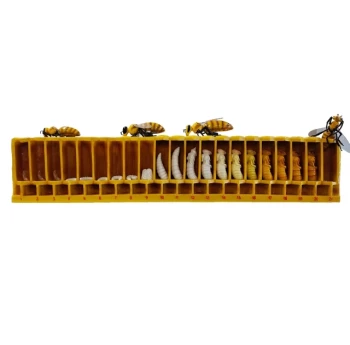
- Honey Bee Lifecycle Model: A Detailed Honeycomb Display of Bee Development
- Professional Dual Action Queen Excluder Scraper for Beekeeping
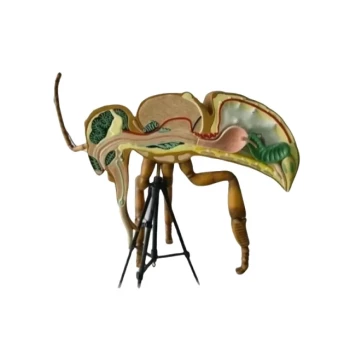
- HONESTBEE Anatomy Bee Model Detailed Anatomical Display for Education and Study
- Professional Large-Format Hive Number Set for Beekeeping
People Also Ask
- For what reasons do beekeepers collect bee pollen? Boost Hive Health and Unlock New Revenue Streams
- Why should commercial apiaries focus on the collection of diversified bee products? Maximize Your Hive’s Profit Potential
- How do bee pollen collection tools affect the quality of bee pollen used in functional dairy ice cream production?
- How does a specialized pollen collector facilitate the harvesting of diverse bee products? Automate High-Value Yields
- What is the impact of pollen collectors and associated equipment on the cost structure of pollen production? Maximize ROI