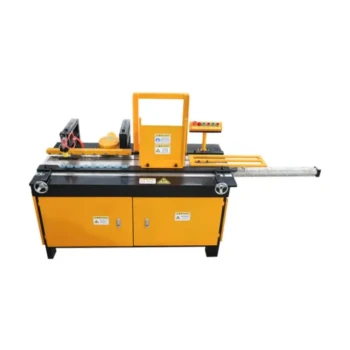
Hive splitting is the primary mechanism for controlled colony multiplication and genetic management. This technique involves physically dividing an existing, mature hive into new standardized boxes to induce the production of new virgin queens. By utilizing specific hardware to create controlled environments, this process facilitates cross-breeding experiments, enables the study of gene flow, and allows for the scalable expansion of stingless bee populations.
The true significance of hive splitting extends beyond simple multiplication; it is a critical tool for biological research. It allows for the manipulation of reproductive isolation and drone congregation, enabling precise studies on genetics and cross-breeding between different geographic populations.
The Role of Splitting in Genetic Management
Inducing Queen Production
The biological core of hive splitting is the induction of new queens. By physically separating the hive structure, beekeepers trigger the colony's natural impulse to rear new virgin queens to head the divided units.
Controlling Reproductive Isolation
Splitting is essential for studying and managing gene flow. The process utilizes specific components to create controlled environments for drone congregation. This allows researchers to manage reproductive isolation and conduct cross-breeding experiments between distinct geographic populations.
Facilitating Cross-Breeding
Through the use of artificial environments, splitting provides the necessary infrastructure to mix genetics intentionally. This is a critical step in understanding how different stingless bee populations interact and evolve.
The Function of Specialized Hardware
Simulating Natural Habitats
Associated hardware, particularly wooden square boxes, is designed to mimic natural nesting spaces like tree hollows. These "bionic" structures provide essential thermal insulation, protecting the colony from temperature fluctuations common in subtropical regions.
Balancing Volume and Defense
Hardware dimensions (e.g., 17.5 cm x 17.5 cm x 11.5 cm) are calculated to balance internal volume with the bees' defensive capabilities. The design ensures there is enough space for pollen and honey pots while maintaining a defensible perimeter against predators.
The Modular Three-Tier System
Advanced hardware often utilizes a three-tier vertical model. This modular design separates the hive into functional zones, allowing beekeepers to organize growth stages (pupae and larvae) independently from resource storage.
Scalability and Operational Efficiency
Standardization for Transport
Standardized hive boxes transform beekeeping from a static hobby into a mobile industry. Uniform box sizes allow for the efficient transport and precise deployment of colonies for commercial pollination services, such as in cucumber orchards.
Streamlining Management
The use of artificial hives significantly reduces the complexity of daily maintenance. Unlike natural hives, these structures allow for regular observation of colony behavior and development without destroying the nest.
Sustainable Harvesting
Specialized hardware designs facilitate the sustainable extraction of products. By providing dedicated spaces for honey and pollen pots separate from the brood, beekeepers can harvest resources without damaging the primary colony structure or killing bees.
Understanding the Trade-offs
Biological Stress Factors
While splitting is effective, it places significant stress on the colony. Physically dividing the brood area disrupts the social structure and requires the colony to expend significant energy rebuilding resources and rearing a new queen immediately.
Environmental Vulnerability
Artificial hives, despite insulation, may not perfectly replicate the thermal mass of a living tree. If the hardware quality is poor or the wall thickness is insufficient, the split colony becomes highly vulnerable to extreme weather fluctuations during its recovery phase.
Dependence on Colony Strength
Splitting is not a universal solution; it requires a mature, strong colony to succeed. Attempting to split a colony that lacks sufficient population density or food stores (pollen/honey) can lead to the collapse of both the original and the new hive unit.
Making the Right Choice for Your Goal
Effective propagation requires aligning your technique with your end objective.
- If your primary focus is Genetic Research: Prioritize the creation of controlled drone congregation environments to study gene flow and reproductive isolation between geographic populations.
- If your primary focus is Commercial Pollination: Focus on standardized, modular hive boxes that maximize portability and simplify the logistics of moving colonies to crop sites.
- If your primary focus is Product Harvesting: Utilize three-tier vertical hive models that separate brood chambers from storage pots to ensure clean, non-destructive extraction of honey and wax.
By combining biological splitting techniques with purpose-built hardware, you convert a natural biological process into a controllable, scalable, and measurable system.
Summary Table:
| Feature | Significance in Propagation | Hardware Role |
|---|---|---|
| Genetic Management | Induces queen production and enables cross-breeding. | Controlled environments for drone congregation. |
| Thermal Regulation | Protects colonies from temperature fluctuations. | Bionic wooden boxes mimic natural tree hollow insulation. |
| Scalability | Allows for mass multiplication and commercial transport. | Standardized modular designs facilitate easy logistics. |
| Operational Efficiency | Supports sustainable harvesting and brood monitoring. | Three-tier systems separate brood from honey/pollen stores. |
Scale Your Bee Colony with HONESTBEE Professional Solutions
Maximize your apiary’s potential through advanced propagation hardware. At HONESTBEE, we understand the needs of commercial apiaries and distributors. We provide a comprehensive wholesale offering designed for efficiency and growth:
- Specialized Machinery: From hive-making to honey-filling machines to streamline your operations.
- High-Performance Hardware: Standardized, modular hive boxes and tools optimized for stingless bee health.
- Industry Consumables: A wide array of essential supplies and honey-themed cultural merchandise for your brand.
Whether you are focusing on genetic research, commercial pollination, or honey production, our portfolio delivers the precision you need.
Contact us today to explore our wholesale offerings and elevate your beekeeping business!
References
- Genevieve Law, Rosalyn Gloag. Gene Flow Between Populations With Highly Divergent Mitogenomes in the Australian Stingless Bee, <i>Tetragonula hockingsi</i>. DOI: 10.1002/ece3.70475
This article is also based on technical information from HonestBee Knowledge Base .
Related Products
- Professional Dual-End Stainless Steel Hive Tool for Beekeeping
- Stainless Steel J Hook Hive Tool for Beekeeping
- HONESTBEE Advanced Ergonomic Stainless Steel Hive Tool for Beekeeping
- Professional Stainless Steel Pry-Bar Hive Tool
- Professional Multi-Function Stainless Steel Hive Tool
People Also Ask
- What specific challenges do beekeeping hive tools address during hive maintenance? Essential Solutions for Apiaries
- Why are professional hive tools considered indispensable? Master Beekeeping Maintenance with Precision Leverage
- What is the role of professional hive tools in routine apiary maintenance? Expert Tips for Hive Health and Longevity
- What role do professional beehives and beekeeping tools play in honey prosumption? Scale yield & commercial success.
- What are the primary functions of a stainless steel hive tool? Essential Equipment for Professional Beekeeping