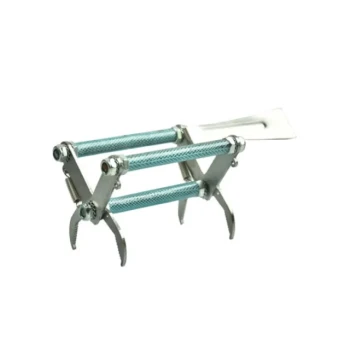
Drone frames function as a targeted biological trap. They serve as a physical mechanism to concentrate Varroa mites into specific areas of the hive, allowing you to manually remove the pests before they spread. Instead of relying on chemical agents, this method exploits the mite's natural reproductive behaviors to lower the overall parasitic load of the colony.
By serving as a sacrificial decoy, drone frames reduce the pest reproduction baseline through physical means. This method is essential for managing colony health while minimizing or eliminating the need for chemical interventions.
The Mechanics of the Biophysical Trap
Exploiting Biological Preferences
Varroa mites do not infest all bee larvae equally. They possess a strong biological preference for reproducing within drone (male) cells rather than worker cells.
Supplementary data suggests mites may infest drone cells up to eight times more frequently than worker cells. Drone frames leverage this behavior by inducing the colony to build drone comb specifically to attract these parasites.
The Concentration Effect
The frame acts as a "bait" system. By providing a dedicated space for drone rearing, you effectively draw the mites away from the worker population.
This concentrates the mite population into a single, manageable frame. It turns the mite's reproductive instinct into a vulnerability that the beekeeper can exploit.
The Operational Cycle
Induction and Capping
When a drone frame is inserted, the bees are induced to build drone foundations. The queen lays unfertilized eggs in these larger cells.
As the larvae develop, Varroa mites enter the cells just before they are capped to reproduce. The longer development period of drone larvae makes them the ideal host for maximizing mite offspring.
Critical Removal Timing
The function of the frame relies entirely on precise timing. The frame must remain in the hive long enough for the cells to be capped, trapping the mites inside.
However, it is vital to remove the frame before the adult drones emerge. If the drones are allowed to hatch, the trapped mites will be released back into the colony, defeating the purpose of the trap.
Physical Elimination
Once the frame is removed, the mites are destroyed mechanically. This avoids the introduction of any chemical residues into the hive or honey.
Common methods for destruction include freezing the frame to kill the brood and mites, or mechanically cutting (excising) the capped drone comb from the frame.
Understanding the Trade-offs
The "Mite Bomb" Risk
The most significant risk of using drone frames is mismanagement of the timeline. If you fail to remove the frame before the drones emerge, you have inadvertently created a nursery for the pests.
This can result in a massive spike in the mite population, often worse than if no intervention had been used at all.
Labor Intensity
Unlike chemical strips that can be "set and forgotten," drone frames require active management. You must monitor the colony's cycle closely to ensure timely removal.
This method demands a higher level of vigilance and labor compared to passive chemical treatments.
Making the Right Choice for Your Goal
- If your primary focus is Organic Beekeeping: Drone frames are a central component for you, as they reduce mite loads without compromising honey purity with chemical residues.
- If your primary focus is Low-Maintenance Management: This method may not be suitable, as missing the removal window can drastically worsen the infestation.
- If your primary focus is Integrated Pest Management (IPM): Use drone frames to lower the baseline mite count, potentially reducing the frequency or strength of chemical treatments needed later in the season.
Mastering the use of drone frames allows you to turn the Varroa mite’s biology against itself, securing a healthier colony through strategy rather than chemistry.
Summary Table:
| Feature | Drone Frame Function | Impact on Varroa Control |
|---|---|---|
| Mechanism | Targeted biological trap | Exploits mite preference for drone cells |
| Preference Ratio | 8:1 (Drone vs. Worker) | Concentrates mites into a single area |
| Primary Benefit | Chemical-free removal | Preserves honey purity and colony health |
| Key Action | Timely removal of capped cells | Eliminates mites before they reproduce |
| Risk Factor | Emergence of untreated drones | Potential mite population spike if mismanaged |
Maximize Your Colony Productivity with HONESTBEE
Efficient Varroa management is the backbone of successful commercial beekeeping. At HONESTBEE, we empower commercial apiaries and distributors with the high-performance tools needed to implement effective biophysical controls. From specialized drone frames to advanced hive-making machinery and honey-filling systems, we provide a comprehensive wholesale portfolio designed for scale and durability.
Ready to elevate your beekeeping operations? Contact us today to explore our full spectrum of professional equipment and essential industry consumables. Let HONESTBEE be your partner in building healthier, more profitable apiaries.
References
- Stephen Smith, Grace P. McCormack. Exploring a Potential Avenue for Beekeeping in Ireland: Safeguarding Locally Adapted Honeybees for Breeding Varroa-Resistant Lines. DOI: 10.3390/insects14100827
This article is also based on technical information from HonestBee Knowledge Base .
Related Products
- Heavy-Duty Stainless Steel Frame Grip
- Durable Galvanized Steel Frame Grip
- Durable Plastic Frame Spacer
- Ergonomic High Visibility Plastic Frame Grip Handles
- Premium Frame Grip with Ergonomic Wood Handles
People Also Ask
- What is the purpose of using frame grips in beekeeping operations? Elevate Your Apiary Precision & Hive Safety
- What is a frame grip and how is it used? Secure Your Hive Inspections with Ease
- What are the benefits of using Frame Grips in beekeeping? Boost Efficiency & Protect Your Hive
- How should frame grips be cared for after use? Essential Cleaning & Storage Tips for Beekeepers
- What is the step-by-step process for using frame grips during a hive inspection? Master Safe Frame Handling Today