The specific role of annually replacing beekeeping frames is to physically eliminate the primary reservoir where Nosema pathogen spores accumulate. By rotating out approximately 30% of old combs each year, you directly reduce the pathogen density within the colony, thereby significantly lowering the infection pressure on worker bees and preserving overall hive productivity.
Core Insight: Old combs function as a "biological sink" that concentrates disease agents over time. Replacing them is not merely a housekeeping task; it is a critical sanitary intervention that resets the colony's internal environment by physically removing the source of recurring infection.
The Mechanics of Pathogen Accumulation
The "Reservoir" Effect
Old combs are the primary sites for spore accumulation. As bees cycle through the hive, pathogens embed themselves into the wax and structure of the comb.
Without replacement, these combs become a permanent storage unit for disease. This turns the bees' home into a constant source of reinfection.
Physical Removal of the Threat
The role of frame replacement is the physical extraction of the pathogen reservoir. Unlike chemical treatments that attempt to kill spores in situ, replacing the frame removes the contaminated material entirely.
Updating the foundation ensures that the bees are building and living on clean surfaces, rather than struggling against a legacy of accumulated disease.
Impact on Colony Health
Reducing Pathogen Density
The severity of a Nosema outbreak is often dictated by the density of the pathogen within the hive.
By removing old combs, you dilute the concentration of spores available to infect the bees. This reduction in density is essential for keeping infection levels below a lethal threshold.
Decreasing Infection Pressure
Worker bees are under constant stress from environmental factors. High spore counts create immense infection pressure, forcing the colony to divert energy from honey production to immune defense.
Regular comb rotation alleviates this pressure. This allows the colony to maintain its health and productivity rather than fighting a losing battle against internal contamination.
The Role of Holistic Hygiene
Beyond the Comb: Equipment as Vectors
While combs are the primary reservoir, they are not the only vector. Beekeeping equipment—including hive bodies, honey extraction machinery, and hive tools—can also harbor pathogens.
Spores can adhere to wax debris, honey residues, or wooden surfaces. Ignoring these surfaces can undermine your frame replacement efforts.
The Necessity of Disinfection
Frame replacement must be combined with hive disinfection to be effective.
Implementing strict protocols for cleaning used tools creates a vital physical barrier. This prevents the large-scale spread of epidemics from one colony to another within the apiary.
Understanding the Trade-offs
Resource Investment vs. Health
Drawing out new foundation requires energy and resources (honey/syrup) from the bees. There is a short-term cost to productivity when bees must build new comb.
However, the long-term cost of a diseased colony far outweighs the investment in new wax.
Loss of Stored Resources
Old combs often contain stored pollen or honey. Culling frames means sacrificing these resources.
You must view this as a necessary loss. Preserving contaminated pollen stores often serves only to feed the next generation of bees a diet laced with pathogen spores.
Making the Right Choice for Your Goal
To effectively manage Nosema, you must balance resource management with strict sanitation protocols.
- If your primary focus is Disease Prevention: Rigidly adhere to the "30% rule," prioritizing the removal of the darkest, heaviest combs every year regardless of their honey content.
- If your primary focus is Apiary Biosecurity: Combine frame replacement with a strict sterilization schedule for your hive tools and extraction equipment to prevent cross-contamination.
Proactive replacement of old comb is the single most effective physical barrier against the silent accumulation of colony-collapsing disease.
Summary Table:
| Factor | Role in Disease Prevention | Impact on Colony Health |
|---|---|---|
| 30% Annual Rotation | Physically removes the pathogen reservoir | Dilutes spore density below lethal thresholds |
| Old Comb Disposal | Eliminates "biological sinks" in wax | Reduces recurring infection from embedded spores |
| New Foundation | Provides a clean living environment | Redirects bee energy from immune defense to production |
| Equipment Hygiene | Prevents cross-contamination vectors | Protects the entire apiary from large-scale epidemics |
Secure Your Apiary’s Success with HONESTBEE
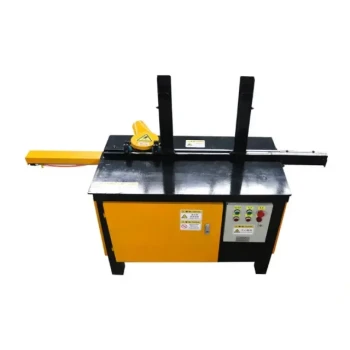
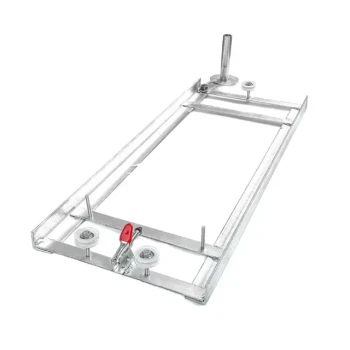
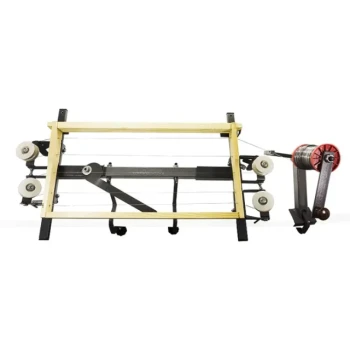
Don't let pathogens like Nosema compromise your commercial productivity. HONESTBEE provides the professional-grade tools and hardware necessary to implement rigorous sanitation protocols and efficient frame rotation.
From high-quality beekeeping frames and foundations to advanced honey-filling machines and specialized hive-making equipment, we cater to commercial apiaries and distributors worldwide with a comprehensive wholesale offering. Our expertise ensures you have the reliable machinery and essential consumables needed to maintain a thriving, disease-free operation.
Ready to scale your beekeeping business with premium equipment?
Contact HONESTBEE Today for Wholesale Solutions
References
- Sergey A. Timofeev. NOSEMOSIS TYPE C OF BEES CAUSED BY MICROSPORIDIA Nosema (Vairimorpha) ceranae: CURRENT VIEWS, PATHOGENESIS, PREVENTION, DIAGNOSIS AND TREATMENT (review). DOI: 10.15389/agrobiology.2023.2.274eng
This article is also based on technical information from HonestBee Knowledge Base .
Related Products
- Wooden Bee Hive Frames for Beekeeping and Wholesale
- Professional Wooden Requeening Frame for Beekeeping
- JZBZ Langstroth Queen Rearing Frame for Beekeeping
- Plastic Bee Frame Beekeeping Hive Frames for Wholesale
- Ergonomic Plastic Frame Spacer Tool for Rapid Hive Management Beekeeping
People Also Ask
- How do wooden and plastic hive frames compare in terms of durability? Wood vs. Plastic Longevity & Repairability
- How does balancing the number of frames impact hive productivity? Optimize Your Apiary's Biological Output
- What are the main considerations when choosing between wooden and plastic bee hive frames? Optimize Your Apiary's Efficiency
- How should beehive frames be maintained to prolong their lifespan? 5 Pro Tips for Durable Beekeeping Equipment
- How are plastic frames different from traditional wooden frames? Choose the Right Frame for Your Apiary