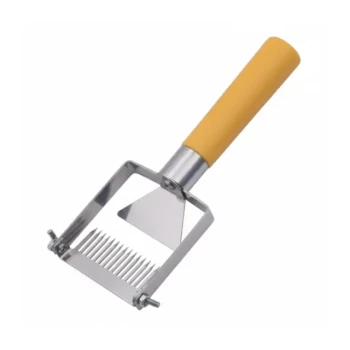
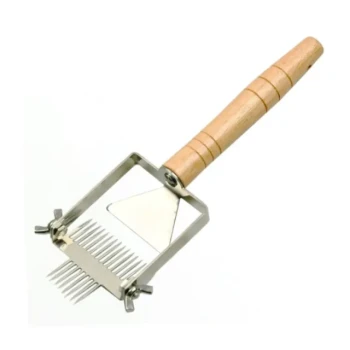
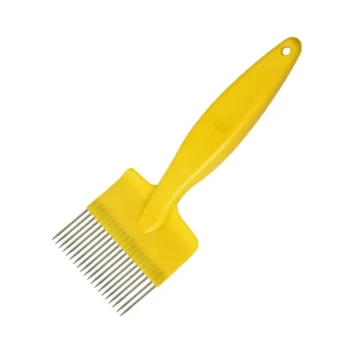
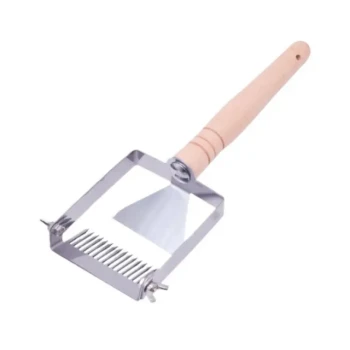
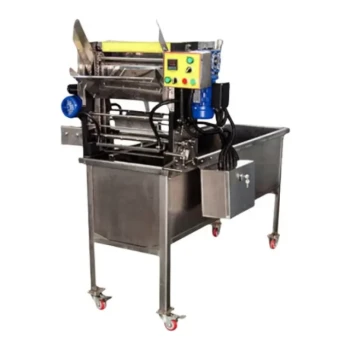
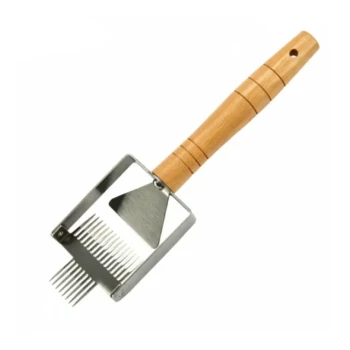
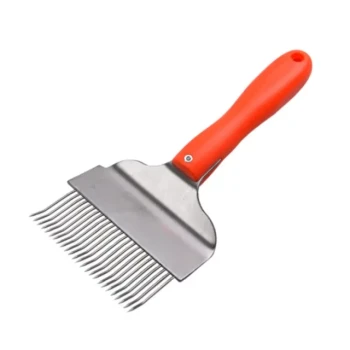
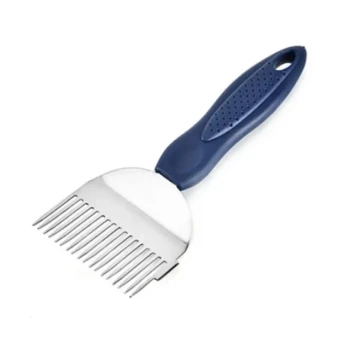
The uncapping process is the precise method of removing wax seals from honeycomb cells to prepare them for honey extraction. This procedure involves heating a knife, securing the frame at an angle, slicing the cappings from top to bottom, and using a scratching tool to open any missed cells before placing the frame into the extractor.
Precision is more valuable than speed during uncapping. The goal is to slice just below the wax surface to expose the honey, ensuring the structural integrity of the comb is preserved for future use by the colony.
Setting the Stage for Efficiency
Optimized Workspace Layout
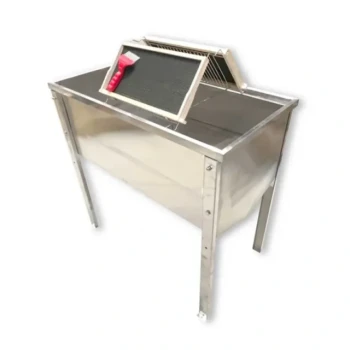
Before handling the frames, ensure your base is a large, easily cleaned surface. A stainless-steel table is the industry standard for hygiene and ease of maintenance.
Strategic Positioning
Arrange all tools and containers within immediate reach to create a seamless workflow. Place your uncapping setup close to the honey extractor to minimize the physical effort of moving heavy frames.
Environmental Control
Bees are attracted to the scent of open honey. Introduce a gentle airflow across the workspace to help keep bees away from the uncapping area.
Executing the Cut
Heating the Tool
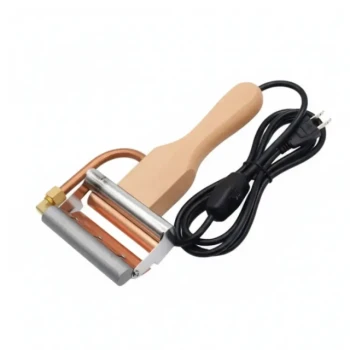
If you are using an electric knife, allow it to reach its optimal operating temperature. If using a standard knife, pre-heat it by submerging the blade in warm water before use.
Securing the Frame
Hold the frame firmly by hand or utilize a dedicated frame holder for stability. Position the frame at an angle; this allows the wax cappings to fall away from the comb as you cut.
The Downward Stroke
Gently run the heated knife down the surface of the comb from top to bottom. Let the heat and the sharpness of the blade do the work rather than forcing it.
Depth Control
Aim to slice off only the wax cappings. Avoid digging deeply into the honeycomb, as this damages the cell walls and creates unnecessary work for the bees to repair later.
Finalizing the Frame
Addressing Missed Cells
Lighting is critical for this step. Inspect the frame in a well-lit area to spot any cells the knife may have skipped.
Manual Corrections
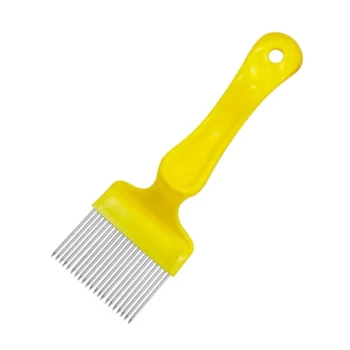
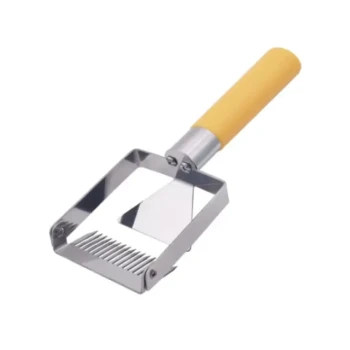
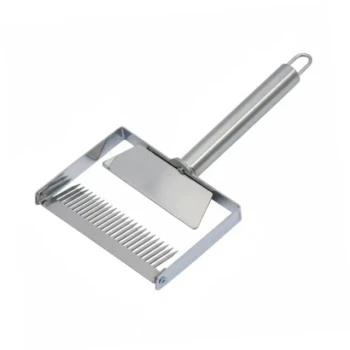
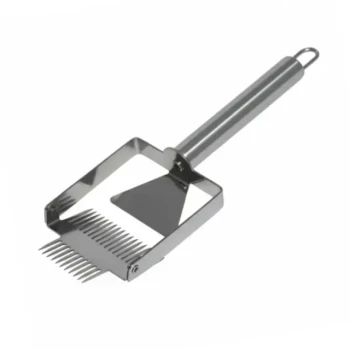
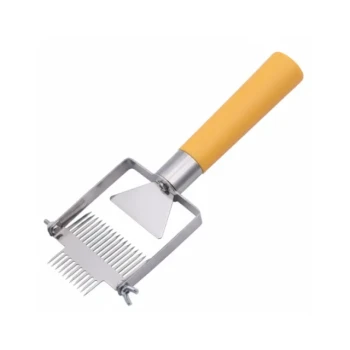
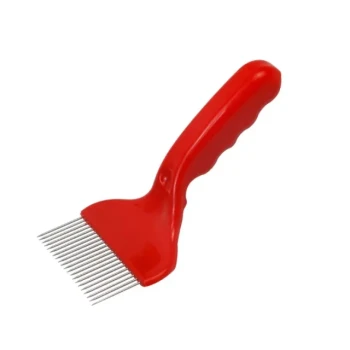
Use an uncapping fork or scratcher to remove remaining caps. Gently scrape these areas to open the cells without destroying the surrounding comb.
Transition to Extraction
Once the frame is fully uncapped and inspected, carefully place it directly into the honey extractor.
Maintenance and Cleanup
After processing all frames, clean your tools thoroughly. Collect the wax cappings you sliced off, as they can be processed and used for other products.
Common Pitfalls and Trade-offs
Heat vs. Damage
A knife that is too hot can scorch the honey or melt the wax too aggressively. Conversely, a cold knife will drag and tear the comb, resulting in a messy surface that traps honey.
Speed vs. Yield
Rushing the downward stroke often leads to uneven cuts or missed patches. Taking an extra moment to align the knife ensures a clean slice, maximizing the amount of honey that can spin out in the extractor.
Making the Right Choice for Your Goal
To ensure your harvest is successful, tailor your approach to your specific priorities:
- If your primary focus is workflow efficiency: Arrange your station so the uncapped frames move from the table to the extractor without you having to take a step.
- If your primary focus is comb preservation: Prioritize a shallow cut and rely more heavily on the uncapping fork to open difficult areas rather than forcing the knife deeper.
Mastering the angle and temperature of your knife will transform uncapping from a difficult chore into a satisfying, rhythmic process.
Summary Table:
| Stage | Key Action | Tool Recommendation |
|---|---|---|
| Preparation | Workspace layout & tool heating | Electric/Heated Uncapping Knife |
| Execution | Top-to-bottom downward stroke | Frame Holder & Slicing Knife |
| Detailing | Opening missed cells | Uncapping Fork or Scratcher |
| Extraction | Loading the extractor | Centrifugal Honey Extractor |
| Cleanup | Wax collection & tool sanitizing | Stainless-Steel Scrapers |
Maximize Your Harvest Efficiency with HONESTBEE
At HONESTBEE, we understand that precision uncapping is the gateway to a high-yield honey harvest. Whether you are scaling a commercial apiary or supplying the beekeeping community as a distributor, our professional-grade equipment ensures every frame is processed with surgical accuracy.
From industrial-strength uncapping machines and honey-filling systems to specialized hand tools and hive-making machinery, HONESTBEE provides the full spectrum of wholesale beekeeping solutions. We empower our partners with durable hardware and essential consumables designed for high-volume operations.
Ready to upgrade your honey processing line? Contact our wholesale experts today to discover how HONESTBEE can streamline your production and enhance your market offering.
Related Products
- Adjustable Stainless Steel Honey Uncapping Fork with Plastic Handle for Beekeeping
- All-Stainless Steel Pivoting Honey Uncapping Fork for Beekeeping
- Adjustable Stainless Steel Honey Uncapping Fork with Scraper Beekeeping Tool
- Wide Adjustable Stainless Steel Honey Uncapping Fork with Scraper
- Professional Durable Plastic Handle Honey Uncapping Fork
People Also Ask
- What is the design purpose of honey uncapping forks and honey uncapping tanks? Maximize Your Harvest Efficiency
- How does a honey uncapping fork supplement the use of an uncapping knife? Boost Your Honey Yield and Extraction Efficiency
- What are the essential tools for uncapping honey frames? Choose the Right Tool for Your Apiary
- What other tools are available for honey uncapping besides knives? Find the Right Tool for Your Apiary's Scale
- What tools are used for honey uncapping? Choose the Right Knife for Your Harvest