To manufacture a beeswax candle, you must follow a precise process of melting a blend of beeswax, coconut butter, and coconut oil using a gentle double boiler method. The procedure involves securing a wick with hot glue, pouring the melted fats into a container, adding essential oils for fragrance, and strictly observing a one-week curing period.
Creating a stable beeswax candle requires more than just melting wax; it relies on a specific blend of fats to ensure a proper burn and a mandatory curing phase to stabilize the structure.
Preparation and Equipment Setup
Before applying heat, you must gather the correct materials and prepare your workspace.
Assembling the Components
You will need pure beeswax, which is typically sold in pellets or blocks, along with coconut butter and coconut oil.
For the mechanics of the candle, acquire a spool of wick, wick tabs, and a suitable container. Common container options include glass jars, aluminum tins, or specialized molds.
Securing the Wick
Proper alignment is critical for a safe burn. While the wax melts, use a hot glue gun to affix the wick tab to the absolute bottom center of your chosen container.
This ensures the wick does not float or shift when the hot wax is introduced.
The Melting and Assembly Process
The core of the process involves careful temperature control and timing.
creating a Double Boiler
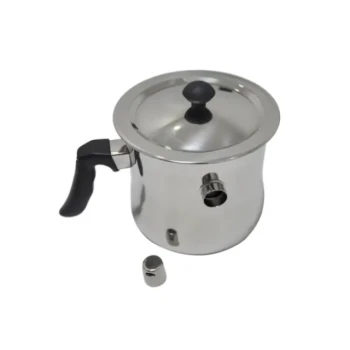
Do not apply direct heat to the wax. Instead, boil water in a pot over medium heat and place a heat-resistant glass bowl on top of it.
This "double boiler" technique ensures the wax melts evenly without scorching or reaching dangerous temperatures.
Blending the Fats
Add the beeswax, coconut butter, and coconut oil into the glass bowl. Allow these ingredients to melt completely into a unified liquid mixture.
The addition of coconut fats is essential for modifying the hardness of the beeswax, allowing for a better consistency.
Pouring and Scenting
Once the mixture is fully melted, carefully pour it into your prepared container.
Immediately after pouring, add 20 to 60 drops of your chosen essential oils directly into the wax. This range allows you to control the potency of the fragrance.
Centering the Wick
The wick will likely shift during the pour. To correct this, lay a pencil or clothespin across the opening of the container.
Secure the wick to this tool to hold it straight and centered while the wax cools and hardens.
Understanding the Trade-offs
While this process produces a high-quality natural candle, there are technical considerations and limitations to keep in mind.
The Necessity of Curing
You cannot use this candle immediately after it cools. The primary reference mandates a one-week curing period.
ignoring this step can lead to an unstable burn or poor scent throw, as the crystal structure of the wax needs time to harden completely.
The Complexity of Blends
This recipe is not for a 100% pure beeswax candle; it is a blend.
Using additives like coconut butter and oil alters the melting point. This usually results in a smoother burn than pure beeswax, which can be brittle and difficult to burn evenly, but it does dilute the raw beeswax aroma slightly.
Making the Right Choice for Your Goal
To ensure your project meets your specific needs, consider the following variables:
- If your primary focus is fragrance intensity: Lean toward the higher end of the recommendation (60 drops) of essential oils to ensure the scent remains perceptible after the wax hardens.
- If your primary focus is structural integrity: Do not rush the process; strictly adhere to the full seven-day curing time to allow the fat blend to stabilize completely.
By balancing the ratio of fats and respecting the cure time, you will produce a candle that burns cleanly and performs reliably.
Summary Table:
| Process Step | Key Action | Important Details |
|---|---|---|
| Preparation | Wick Placement | Secure wick tab with hot glue at the bottom center of the container. |
| Melting | Double Boiler | Use indirect heat to melt beeswax, coconut butter, and coconut oil. |
| Assembly | Pouring & Scenting | Add 20-60 drops of essential oils immediately after pouring wax. |
| Stabilization | Wick Centering | Use a pencil or clothespin to keep the wick straight during cooling. |
| Finishing | Curing Phase | Allow a mandatory 7-day curing period for structural stability. |
Elevate Your Beekeeping Business with HONESTBEE
Transform your raw materials into high-value products with the right equipment. HONESTBEE caters to commercial apiaries and distributors by providing a comprehensive wholesale range of beekeeping tools, specialized machinery, and essential consumables.
Whether you need industrial-grade honey-filling machines, hive-making equipment, or unique honey-themed cultural merchandise, we offer the expertise and inventory to scale your operations.
Ready to grow your apiary? Contact us today to explore our full spectrum of professional beekeeping solutions!
Related Products
- Beeswax Melter for Candle Making Honey Bee Wax Melter
- 3D Square Honeycomb Pillar Silicone Candle Molds for Making Beeswax Candles
- 3D Beehive Silicone Skep Wax Candle Molds for Candles
- Bee Floral Relief Silicone Mold for Artisan Soap Candle Making
- Professional Stainless Steel Wax Melter for Beekeeping and Crafts
People Also Ask
- What is the best way to melt beeswax? Safely Preserve Quality with Indirect Heat
- What is the best way to melt beeswax? Use a Solar Wax Melter for Simple, Pure Results
- What types of beeswax melters are available for beekeepers? Choose the Right One for Your Operation
- What safety precautions should be taken when melting beeswax? A Guide to Flammable Wax Handling
- What types of beeswax melters are available for different scales of beekeeping? Solar vs. Electric Melters Compared