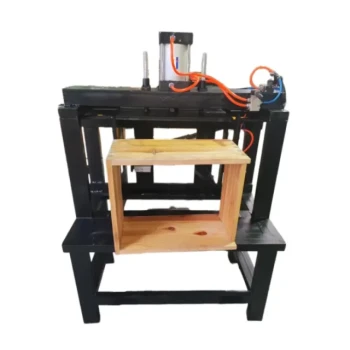
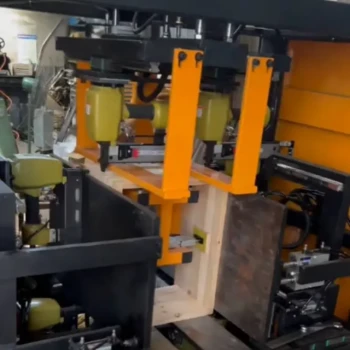
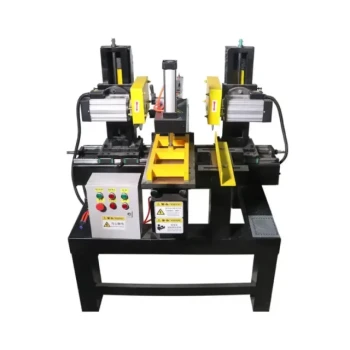
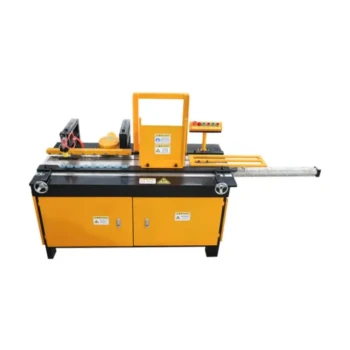
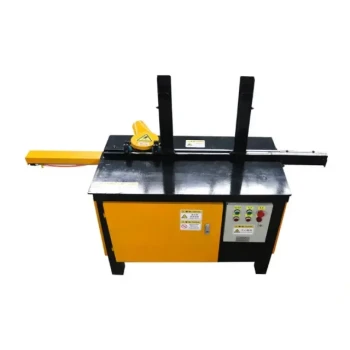
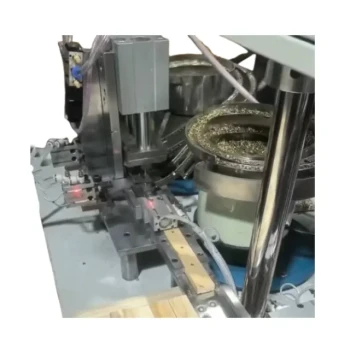
Industrial-grade beehive manufacturing machinery is the logistical backbone of responsive modern beekeeping. It provides the capacity to rapidly mass-produce professional-grade, portable hives, enabling operators to follow shifting bee populations and quickly establish stable apiaries in emerging diversity hot spots.
The Core Strategic Advantage
In an era of climate instability, static infrastructure is a liability. Industrial manufacturing transforms the beehive from a fixed asset into a deployable resource, allowing beekeepers to synchronize their operations with the dynamic migration of bee populations without sacrificing shelter quality or colony health.
Enabling Rapid Response to Ecological Shifts
Speed of Deployment
When environmental changes alter bee distribution, speed is critical. Manual hive construction acts as a bottleneck, preventing beekeepers from capitalizing on new foraging grounds.
Industrial machinery breaks this bottleneck by enabling the mass production of hives on demand. This allows operations to scale their physical infrastructure instantly to match the layout requirements of new diversity hot spots.
Structural Integrity for Relocation
Moving colonies is physically demanding on the hardware. Hives produced by industrial machinery offer superior structural stability compared to traditional methods.
This durability ensures that hives remain intact during transport. It allows for the frequent relocation of colony layouts without the risk of equipment failure, which is essential for mobile beekeeping strategies.
Precision as a Buffer Against Environmental Stress
Microclimate Adaptation
As apiaries move to new hot spots, they often encounter different microclimates. Machine-produced hives offer precise consistency in wood treatment and assembly.
This manufacturing precision ensures the hives are adaptable to varying weather conditions. Whether the new hot spot is humid or arid, the standardized hardware provides a reliable barrier against the elements.
Optimizing Colony Energy
Shifting locations can stress a bee colony. Industrial manufacturing uses CNC milling to ensure extremely tight tolerances in internal dimensions, specifically the critical "bee space."
Precise construction improves insulation and ventilation control. This reduces the energy bees must expend on regulating nest temperature, allowing them to redirect that energy toward foraging in the new location.
Standardization and Scalability
Seamless Component Interchangeability
In large-scale mobile operations, logistics must be streamlined. Precision machinery guarantees that frames, bodies, and bases are uniform and interchangeable between hives.
This standardization facilitates rapid disease management and quarantine protocols. If a colony in a new hot spot requires intervention, frames can be swapped or isolated without compatibility issues, reducing the risk of disease transmission.
Integration with Automation
Establishing a presence in a new hot spot often requires scaling up production quickly. Industrial hives provide the specific physical interface needed for automated honey-filling and extraction machines.
By ensuring the hardware supports automated processing, beekeepers can transition from labor-intensive traditional methods to intensive industrial models, maximizing the yield from new resource-rich areas.
Understanding the Trade-offs
High Capital Investment
Transitioning to industrial-grade manufacturing requires significant upfront capital. The cost of CNC milling machines and standardized mold processing equipment is substantial compared to traditional carpentry tools.
Rigidity of Design
While standardization is a strength, it can also be a limitation. Once a production line is tooled for a specific hive dimension, altering that design to accommodate a unique, non-standard local requirement becomes difficult and costly.
Making the Right Choice for Your Goal
To leverage this technology effectively, align your investment with your specific operational focus:
- If your primary focus is Commercial Scalability: Prioritize machinery that ensures strict component interchangeability to support automated harvesting and rapid apiary expansion.
- If your primary focus is Conservation and Migration: Focus on machinery that produces highly durable, well-insulated hives capable of withstanding frequent transport and diverse microclimates.
- If your primary focus is Disease Management: Select precision milling equipment that guarantees tight tolerances to eliminate gaps where pests reside and facilitate easy frame inspection.
Ultimately, industrial manufacturing machinery changes beekeeping from a stationary practice into a dynamic, rapid-response industry capable of surviving environmental flux.
Summary Table:
| Strategic Pillar | Key Advantage | Impact on Operations |
|---|---|---|
| Deployment Speed | Mass production on demand | Rapid capitalization on new foraging grounds |
| Structural Integrity | Industrial-grade durability | Supports frequent relocation and mobile strategies |
| Microclimate Control | CNC precision milling | Enhanced insulation and reduced colony stress |
| Standardization | Interchangeable components | Seamless logistics and efficient disease management |
| Automation Ready | Uniform physical interfaces | Enables high-yield automated honey processing |
Scale Your Apiary Operations with HONESTBEE
As bee populations shift, your infrastructure must be as dynamic as the environment. HONESTBEE empowers commercial apiaries and distributors with the high-performance tools needed to stay ahead. From precision hive-making machines that ensure component interchangeability to advanced honey-filling and extraction machinery, we provide the full spectrum of equipment to transform your operation into a rapid-response powerhouse.
Our Value to You:
- Wholesale Excellence: A comprehensive range of beekeeping tools and essential consumables.
- Industrial Precision: Specialized hardware designed for durability and automated integration.
- Global Support: We cater to large-scale distributors seeking reliable, high-volume supply chains.
Don't let static infrastructure limit your growth. Contact HONESTBEE today to discover how our industrial solutions can optimize your yield and operational mobility.
References
- Konstantinos Kougioumoutzis, Theodora Petanidou. Assessing Climate Change Impacts on Island Bees: The Aegean Archipelago. DOI: 10.3390/biology11040552
This article is also based on technical information from HonestBee Knowledge Base .
Related Products
- High-Efficiency Pneumatic Bee Hive Making Machine for Rapid Box Assembly
- HONESTBEE Top Bar & Bottom Bar Forming Machine | Bee Frame Machine
- Automatic High-Speed Bee Hive Box Stapling Machine
- Beehive Machine Double End Saw for Precision Hive Component Manufacturing
- Mini Desktop Bee Hive Frame Forming Making Machine
People Also Ask
- How does the introduction of professional beehive-making machinery benefit sustainable beekeeping? Scale Your Apiary
- Why is specialized beehive-making machinery critical for low-defense breeding? Enhance Selection with Precision Tools
- How does the introduction of specialized beehive making machinery contribute to increasing the scale of regional beekeeping industries?
- What is the importance of specialized beehive making machinery in a circular bio-economy? Build Local Sustainability
- Why is specialized beehive-making machinery essential? Scale Your Apiary with Precision Industrial Standards